
Last updated November 15, 2026
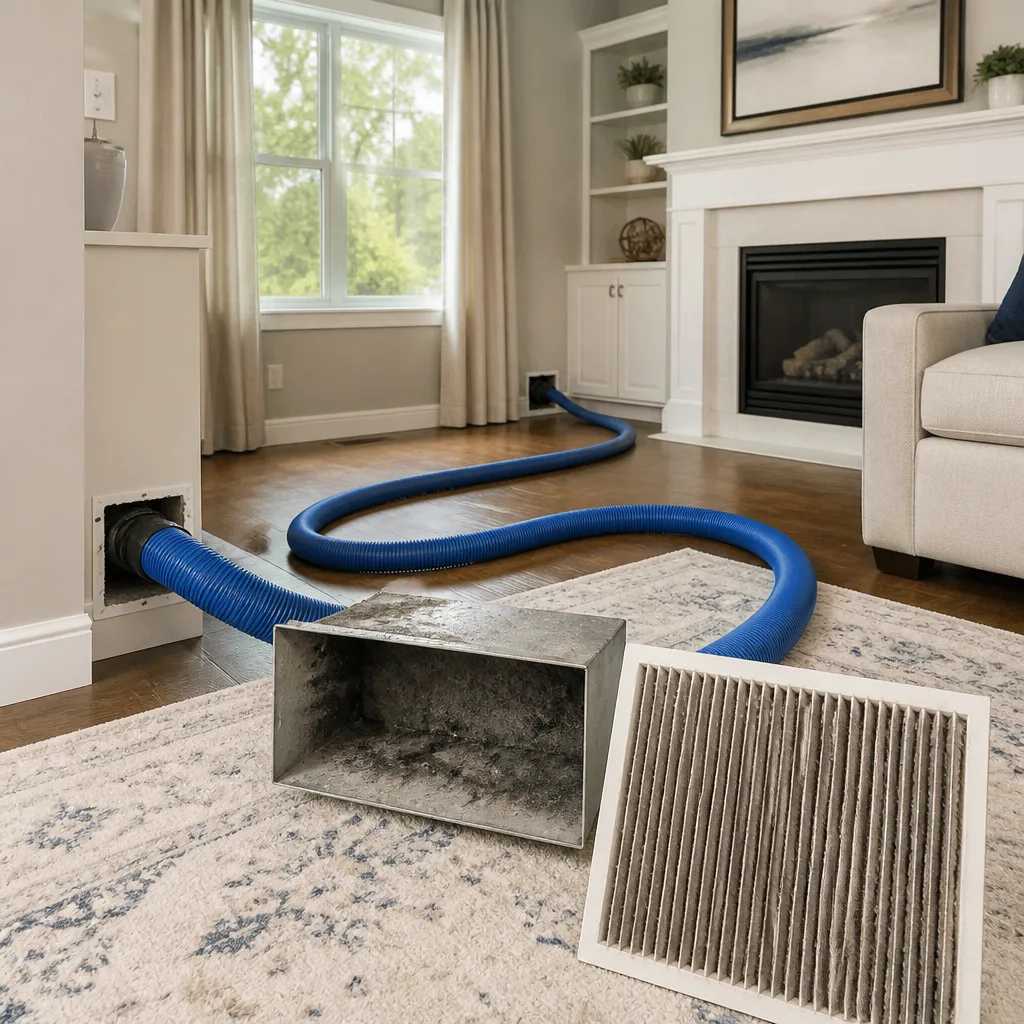 Whole-home duct cleaning
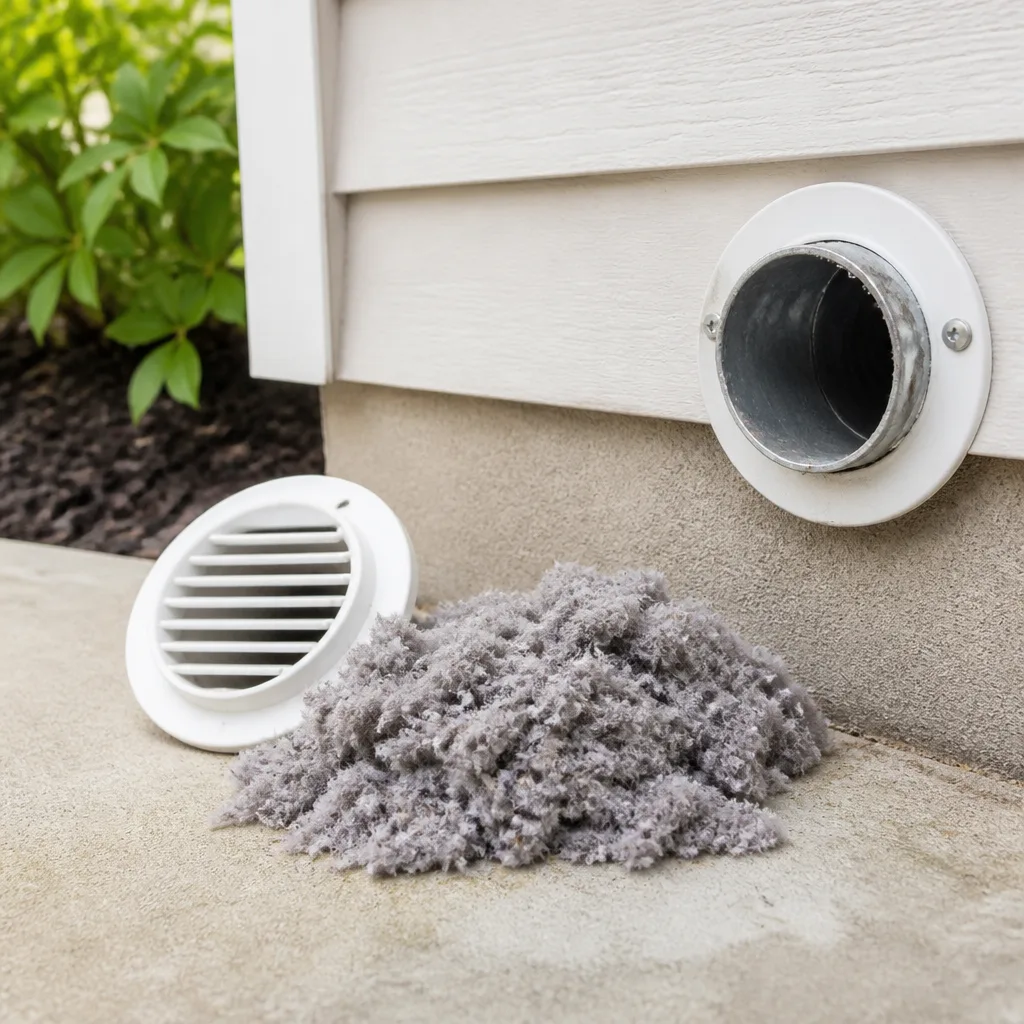 Dryer vent cleaning
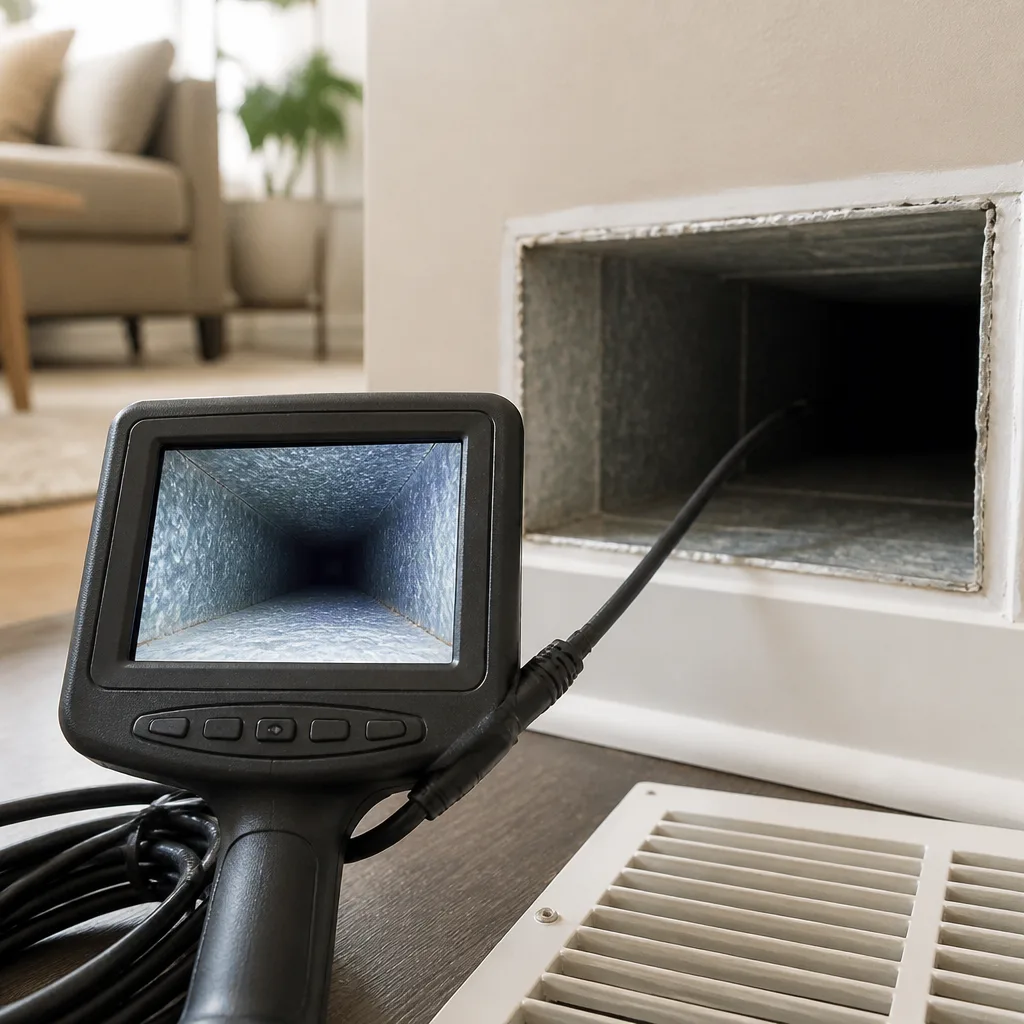 Camera inspection
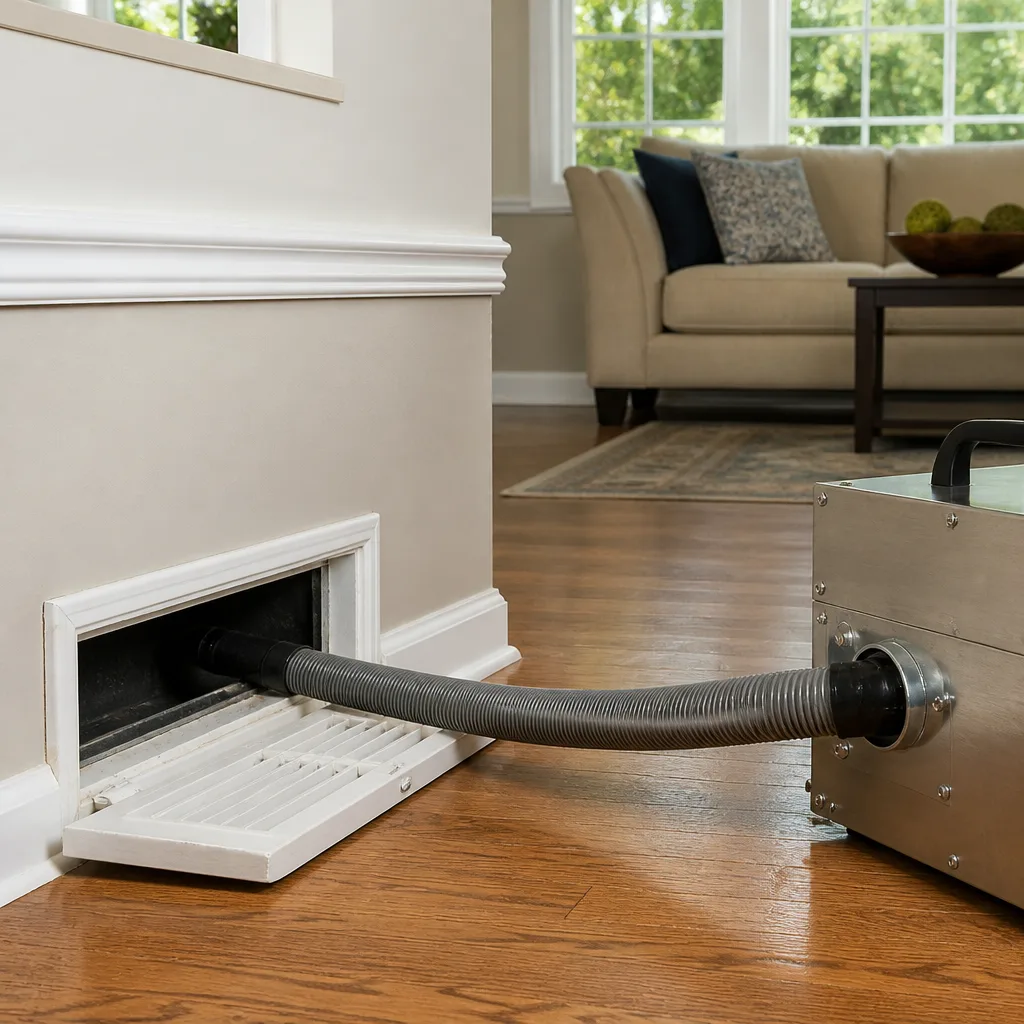 Sanitizing & deodorizing
Whole-system duct and dryer vent check with before-and-after photos - you see exactly what came out of your vents
That "$99 whole-house special" is a bait ad - the real number appears once they are in your hallway, or the "clean" is a shop-vac at the register. We photograph the inside of your ducts before and after instead.
Seasonal Air Duct Cleaning Care for Elizabeth: Year-Round Homeowner’s Guide
Most duct cleaning advice tells you to pick a number of years and stick to it. That’s the wrong starting point. In Elizabeth, a home that took on water in August and a home that didn’t are not on the same maintenance schedule, no matter what the calendar says. Your ducts collect whatever the season pushed through them, and the seasons here push differently than they do in a suburb twenty miles west. This guide walks through what each season deposits in an Elizabeth duct system, why the transition weeks between heating and cooling are the riskiest stretch of the year, how urban particulate near the port changes the debris profile, and what to check each quarter so nothing gets ahead of you.
Styles & brands we work with
- Whole-home duct cleaning
- Dryer vent cleaning
- Camera inspection
- Sanitizing & deodorizing
Quick Answer
The right time to clean air ducts in Elizabeth depends on what the system went through, not the calendar: clean after a heating season of heavy runtime, after any water intrusion, and whenever a transition season leaves ducts stagnant and damp. Most homes here do well on an inspection every year and a full cleaning every two to four years, but a house with older ductwork, pets, or a history of moisture needs eyes on it sooner.
Table of Contents
- Why Elizabeth’s Climate Creates Two Duct Stress Seasons
- Winter: Combustion Byproducts and Recirculated Debris
- Spring: Pollen, Humidity, and the First Stagnant Weeks
- Summer: Moisture in the Cooling System
- Fall: The Pre-Season Window Before the Heat Comes On
- Why the Shoulder Seasons Are the Highest-Risk Window
- Elizabeth’s Urban Debris Profile: Traffic, Port, and Density
- Your Quarterly Seasonal Action Calendar
- How System Age Changes the Seasonal Math
- Common Mistakes to Avoid
- When to Call a Professional
- Frequently Asked Questions
- The Bottom Line
Why Elizabeth’s Climate Creates Two Duct Stress Seasons
Elizabeth sees real winter and real summer, and that means your HVAC system runs hard twice a year instead of coasting through one dominant season. The heating side gets months of continuous runtime from December into March. The cooling side gets a shorter but far more humid stretch. Between them sit two transition windows when the system sits mostly idle.
Those idle windows matter more than most homeowners realize. A duct system that’s been pushing warm, humid air all summer holds that moisture in the insulation and at the joints. When the cooling stops and the ducts sit, the inside surfaces stay damp and the air stops moving. That’s the setup mold needs: moisture, food (dust and organic debris), and no airflow to dry it out.
What we find in Elizabeth homes tends to follow a pattern by season:
- Late winter: fine grey dust and combustion byproducts from months of heat running, plus debris that’s been recirculated through the return side again and again
- Late spring: pollen pulled in during the first cooling weeks, layered onto whatever winter left behind
- Late summer: damp debris at the evaporator coil and in the first few feet of supply duct, where cool air meets warm duct walls
- Late fall: the dust that settled all summer, now about to get blown through the house the first cold week the heat kicks on
That’s why a fixed interval like “every three years” only works for some homes. The seasons here demand you look at what actually accumulated. For a broader look at what a full cleaning involves, our Duct Cleaning Elizabeth page covers the process start to finish.
Winter: Combustion Byproducts and Recirculated Debris
Winter is the longest continuous run your system gets. In Elizabeth, that means furnaces and boilers running through months of cold, and every hour of runtime moves air through the duct system. What accumulates is different from any other season.
If your home has any fuel-burning appliance – a gas furnace, a boiler, a water heater sharing the same mechanical space – the return air can pick up fine combustion byproducts and carry them into the ductwork. A sealed, properly vented system keeps those out of the living space, but older duct systems with loose joints and unsealed returns don’t always do that well. We’re not saying your ducts are dangerous; we’re saying the debris that builds up over a winter is a different composition than summer dust, and it’s worth knowing that.
Beyond combustion, winter is the recirculation season. Windows stay shut. The same air moves through the same ducts repeatedly, and every pass deposits a little more of what it carries. Pet dander, cooking particulate, and the fine dust that settles in a closed house all concentrate in the return plenum and the supply runs.
What to watch for by late winter:
- Visible dust streaks at the supply registers, especially the ones closest to the furnace
- A musty or “closed-up” smell that wasn’t there in October
- Increased dust on surfaces within a day or two of cleaning
- Reduced airflow at registers farthest from the air handler
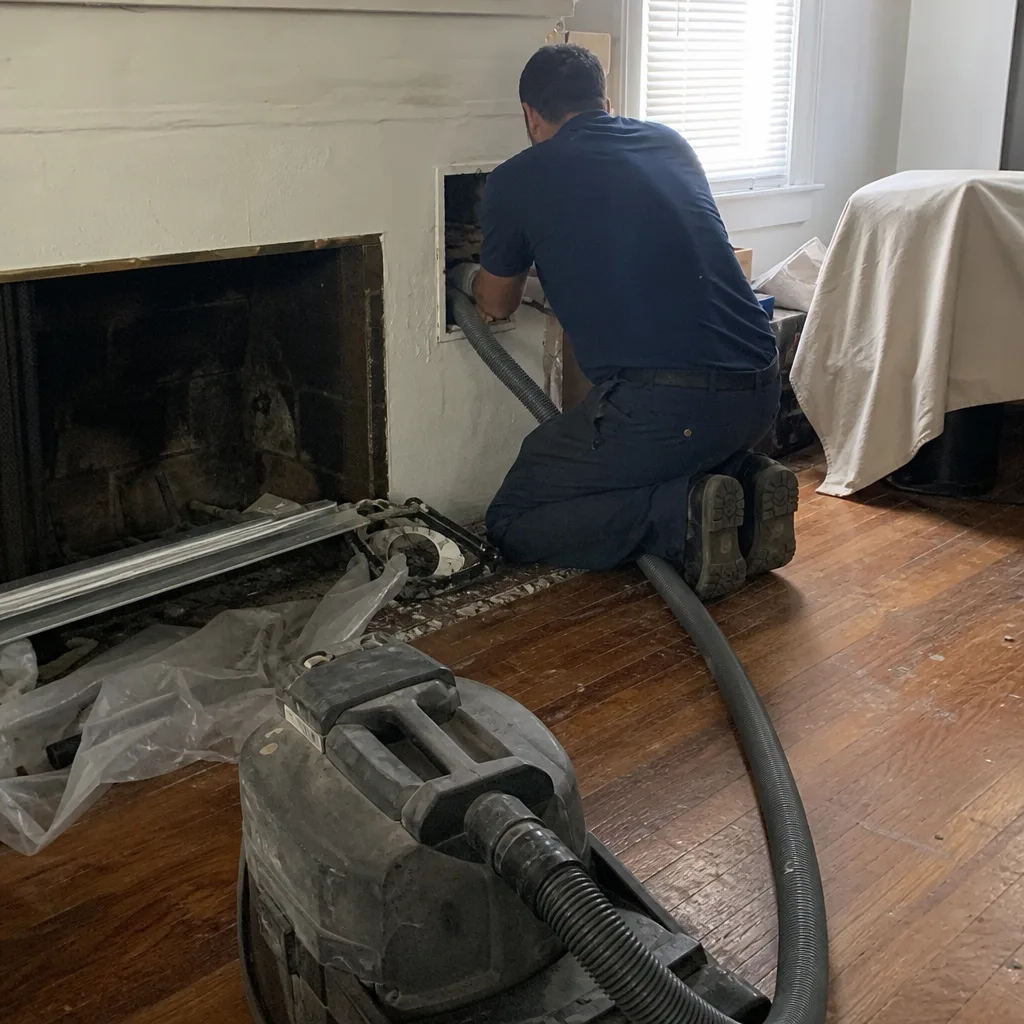
Our technicians have up to 11 years of experience, and the winter pattern shows up consistently: the return side carries far more than most homeowners expect. That’s why we use an air duct cleaning process built around mechanical agitation and HEPA containment, not just a vacuum at the registers. A Rotobrush rotary brush breaks debris loose from the duct walls; a Nikro HEPA-rated vacuum captures it without exhausting it back into the room. Cleaning the registers without cleaning the system behind them doesn’t accomplish much.
Spring: Pollen, Humidity, and the First Stagnant Weeks
Spring in Elizabeth brings two things at once: a heavy pollen load and the first real humidity. Both hit the duct system during the weeks when the heating has stopped but the cooling hasn’t fully started.
Pollen is fine enough to pass through a standard filter, and it comes in through every open window and door during the mild weeks. Once it’s inside, the return air pulls it into the duct system. It settles on duct walls and in the plenum, and it’s sticky enough to hold onto other debris.
The humidity is the bigger issue. Elizabeth sits in a humid summer climate, and spring is when that moisture starts showing up in the air. A duct system that’s been dry all winter now has damp air moving through it during shoulder-season weather. If the cooling comes on for a few hours and then off for days, the ducts cycle between damp and dry in a way that’s hard on the system.
What we watch in spring:
- Pollen staining on register grilles (a yellow-green film is common)
- A musty smell the first few times the AC runs
- Condensation at the evaporator coil or on the first section of supply duct
- Dust that reappears fast on surfaces after cleaning
Spring is also the right time to verify your filter setup if you run an Aprilaire or Honeywell whole-home air quality system. We work alongside both, and the filter schedule on those systems matters more than most homeowners realize. A clogged media filter during pollen season forces the blower to work harder and lets more particulate bypass into the ducts. Check it once a month through spring.
Summer: Moisture in the Cooling System
Summer is when the ducts get wet. Not flooded, but damp enough that the inside surfaces become a place where biological growth can start if conditions line up.
Here’s the mechanism: cold air comes off the evaporator coil and enters supply ducts that are surrounded by humid attic or crawlspace air. The duct walls cool below the dew point, and moisture condenses on the inside and outside. If the duct insulation is intact and the joints are tight, that moisture drains and dries. If insulation is compromised or a joint is loose, that moisture sits.
The transition from summer into fall is when the risk peaks. The cooling stops, the ducts sit full of damp debris, and nothing dries them out until the heat comes on weeks later. That’s exactly the window when mold can establish itself on duct surfaces.
What we check in summer:
- Insulation integrity on every accessible run – especially in unconditioned spaces
- Condensate drain function, so water leaves the system rather than sitting in the pan
- Coil cleanliness, since a dirty coil keeps more moisture in the airstream
- Signs of biological growth at the supply plenum and first few feet of supply duct
If you see visible growth inside a duct, stop. Don’t spray anything into the system and don’t run a shop vac in there. Duct interiors with active growth need professional assessment, and in some cases a scope beyond cleaning. We use Abatement Technologies equipment for exactly this reason – it’s built for contamination-level and air-quality-critical work, not routine maintenance. If the problem turns out to be physical damage rather than contamination, we handle dryer vent cleaning as a separate dedicated service and can inspect the duct side for any repair needs as part of the same visit. For a fuller look at the Elizabeth area we serve, see our Elizabeth page.
Fall: The Pre-Season Window Before the Heat Comes On
Fall is the best window of the year to clean ducts in Elizabeth, and the reason is simple: the heating season hasn’t started, so you’re not blowing accumulated summer debris through the house for the first time.
Every fall, we hear from homeowners who meant to clean before the heat came on and didn’t. The first cold week, the furnace runs, and the smell that had been sitting in the ducts all summer suddenly moves through every room. That’s not the furnace failing. That’s the dust, pollen, and damp debris from the previous seasons getting distributed through the house.
Fall is also when older duct systems get tested. Heating puts different demands on ductwork than cooling – higher static pressure, hotter air, more expansion at the joints. A duct system with loose connections or partial disconnections that got through summer will reveal itself in the first weeks of heat.
What to check in fall:
- Run the heat before the cold sets in, and note any smell at the registers
- Check every accessible joint for separation or tape failure
- Look for condensation stains on duct insulation
- Schedule the cleaning so it’s done before the first sustained cold stretch
Fall is our busiest season for a reason. If you’re going to schedule a cleaning, do it before the heat comes on, not after. A pre-season cleaning means the first heated air of the year comes through clean ducts.
Why the Shoulder Seasons Are the Highest-Risk Window
The shoulder seasons are the weeks when the system transitions between heating and cooling. In Elizabeth, that’s roughly late September into October, and late April into May. Those windows are the highest-risk period for mold development inside ductwork, and most homeowners don’t realize it.
Here’s why: mold needs three things – moisture, a food source, and stagnant air. The shoulder season provides all three. The moisture is left over from whatever season just ended. The food source is the accumulated debris from months of runtime. And the stagnant air is because the system is running minimally or not at all.
A system that’s cycling every day dries itself out. A system sitting idle doesn’t. That’s the window when a small amount of moisture plus a small amount of debris turns into a problem.
What separates a routine cleaning from a contamination-level job is knowing which one you’re looking at. A Rotobrush and Nikro setup handles routine cleaning well. When the assessment shows active growth or significant contamination, that’s where Abatement Technologies equipment comes in. The right answer isn’t “clean everything with the same gear”; it’s assessing what’s actually in the system and matching the tool to the job.
For the shoulder seasons, the practical advice is simple: after the heating or cooling season ends, have the system checked before the next season starts. An inspection in late September or late April is the best defense against the stagnant window.
Elizabeth’s Urban Debris Profile: Traffic, Port, and Density
Elizabeth is a dense, older city with significant traffic and industrial activity, including the port. That means the particulate that enters a home here is a different profile than a suburban neighborhood would see.
The debris coming into an Elizabeth duct system tends to be:
- Finer: diesel and vehicular particulate is small enough to pass standard filters and settle deep in duct runs
- Darker: the grey-black cast to duct dust here is typical of combustion-source particulate, not just household dust
- Higher in volume: dense neighborhoods mean more traffic, more activity, more particulate in the outdoor air that comes in through every opening
- Mixed with older building stock: Elizabeth has a lot of older housing, and older duct systems have more joints, more seams, and more places for debris to lodge
We’re not making a health claim here. We’re saying the composition of what accumulates in an Elizabeth duct system is measurably different from what a suburban homeowner would see, and it accumulates faster in some homes. That changes the interval at which cleaning makes sense. A home near a busy corridor, or near industrial activity, will often need attention sooner than a home on a quiet residential street.
Density also affects the housing mix. A lot of Elizabeth homes are older multi-family or converted properties, and duct systems in those homes are often more complex than the floor plan suggests. Duct runs that cross between units, shared return plenums, and retrofitted systems all change where debris collects and where it needs to be extracted from. That’s why a proper assessment comes before a cleaning on any older Elizabeth property.
Your Quarterly Seasonal Action Calendar
Here’s the actionable part. Four checks a year, one per season, keeps you ahead of the seasonal pattern without over-cleaning or over-spending.
Q1: Winter (January – March)
- Change or clean the filter at the start of the heating season and check it monthly
- Note any smell at the registers, especially in the first weeks of heat
- Check supply register airflow in every room – note any that feel weak
- Inspect visible duct insulation in unconditioned spaces for damage
Q2: Spring (April – June)
- Check the filter every month through pollen season
- Have the system inspected at the end of the heating season, before cooling starts
- Look for pollen staining on register grilles and note which registers collect it worst
- Run the AC early and note any musty smell at the first startup
Q3: Summer (July – September)
- Check insulation on accessible runs – especially in humid or unconditioned spaces
- Verify the condensate drain is working and water is leaving the system
- Watch for musty smells that persist after the AC runs for a while
- Look for visible moisture stains on ducts or at registers
Q4: Fall (October – December)
- Schedule a cleaning before the first sustained cold stretch
- Run the heat and note any smell at the first startup
- Check every accessible duct joint for separation or tape failure
- Inspect duct insulation for condensation stains from the cooling season
That calendar is a baseline. A home with pets, a home with a smoker, a home with recent water intrusion, and a home near heavy traffic should each be checking more often than once per season. If you’re not sure where you sit, the assessment is the answer. Start with a free estimate.
How System Age Changes the Seasonal Math
Older duct systems accumulate faster and are less forgiving of deferred maintenance than newer ones. That’s not a sales line; it’s a mechanical fact about how duct systems age.
Three things change as a duct system gets older:
- The seams and joints loosen. Every heating and cooling cycle expands and contracts the metal. Over years, that movement loosens the joints. Once a joint is loose, it pulls unfiltered air from whatever space the duct passes through – a crawlspace, an attic, a wall cavity. That’s where a lot of the debris in an older system enters.
- Insulation degrades. Duct insulation has a working life. When it loses effectiveness, the duct walls get colder (in summer) or hotter (in winter), condensation and heat loss increase, and the system has to work harder.
- Duct runs sag and collect. Low spots in flexible duct or older rigid duct collect debris and moisture. A sagging duct run is a place where mold gets a foothold because the moisture pools.
The practical result is that an older Elizabeth home on the same cleaning interval as a newer one is not getting the same protection. If your ducts are old enough that this sounds familiar, our professional duct cleaning in Elizabeth page covers how we assess system condition as part of the cleaning, not as a separate upsell.
Our technicians have up to 11 years of experience working with older duct systems, and the pattern is consistent: the systems that get cleaned on an assessment-driven schedule stay in workable condition much longer than the ones that get ignored until there’s a problem. The repair side matters too. If an inspection turns up a broken joint or a disconnected run, we handle the repair in the same visit rather than sending you to a second contractor. If the issue is outside our scope – full HVAC repairs, for example – we’ll tell you that plainly.
Common Mistakes to Avoid
- Cleaning on a fixed calendar instead of a condition basis. A house that took on water and a house that didn’t are on different schedules, regardless of how many years it’s been. Judge by what the system actually went through.
- Skipping the fall pre-season cleaning. Cleaning after the heat has been running for weeks means you’ve already distributed the summer’s debris. Clean before the first sustained cold stretch, not after.
- Assuming a cheap coupon price is what you’ll pay. The low advertised price in this industry is often for a partial service, and the invoice is far larger once the technician is on site. Ask what the flat price covers before anyone starts.
- Just opening a register and vacuuming what you can reach. Cleaning the register without cleaning the system behind it accomplishes nothing. The debris lives in the runs and the plenum, not at the grille.
- Ignoring the shoulder-season stagnant window. The most likely time for mold to develop is the weeks when the system is not running. An inspection in late September and late April is the cheapest defense you have.
- Treating the filter as optional. A clogged filter on a whole-home air quality system forces the blower to work harder and lets more particulate bypass into the ducts. Check the filter monthly during pollen season.
- Skipping the repair when an inspection finds one. A loose joint or a disconnected run means the next cleaning won’t last as long as it should. Fix the damage while the system is already open.
When to Call a Professional
Most of this guide is about staying ahead of the seasonal pattern, and that’s the right approach for most Elizabeth homes. But there are specific situations where the schedule should move up.
Call a professional if you see visible biological growth inside a duct or at a register; if the system took on water during a storm or a plumbing event; if the first heat or AC startup of the season brings a smell that persists after the system has run for a while; if you’ve noticed reduced airflow in rooms that used to get plenty; if there’s a history of allergies or respiratory sensitivity in the household and the system hasn’t been assessed; or if your ducts are old enough that the joints and insulation are due for a real look.
We also handle the case where an inspection turns up damage. Air duct repair alongside cleaning means one call handles both sides of the problem. And if the driver of your concern is lint and heat in the laundry area rather than the ducts themselves, dryer vent cleaning is its own dedicated service – a leading cause of residential fires, and worth a look if your last cleaning is a distant memory.
Duct Cleaning Elizabeth offers free estimates in Elizabeth. Call (833) 946-6248. We answer 24/7. Fast dispatch from 7am to 7pm, Sunday through Friday.
Frequently Asked Questions
Most Elizabeth homes do well on an inspection every year and a full cleaning every two to four years, but the right interval depends on what the system went through, not the calendar. Homes near heavy traffic, older homes with looser duct joints, and any home that took on water need attention sooner. Start with an assessment rather than a fixed number of years.
Fall, before the heat comes on, is the best window because you’re not blowing summer’s accumulated debris through the house on the first cold week. Late spring works too, before cooling starts running hard. Avoid cleaning right after the first sustained heat cycle, since the debris is already distributed by then.
Mold needs moisture, a food source, and stagnant air. The shoulder seasons provide all three: moisture left over from the season that just ended, debris from months of runtime, and stagnant air because the system is barely running. That’s the window when a small amount of moisture plus debris becomes a problem.
Yes. Elizabeth’s traffic and industrial activity, including the port, produce fine particulate that passes standard filters and settles deep in duct runs. That debris profile is finer, darker, and more voluminous than what a suburban home would see, which is why a home near a busy corridor often needs attention sooner than one on a quiet residential street.
Ask for before-and-after photos of your own ducts, not stock images, and expect a flat price per system agreed before any work starts rather than a per-vent charge. Professional-grade equipment – a rotary brush for agitation and a HEPA vacuum for containment – is what makes the difference, and it should be visible in the process, not just in the advertising.
Cheap quotes often cover a partial service or rely on equipment that can’t extract debris from the full system. The low number is real; the invoice that follows once the technician is on site is often far larger. Ask what the flat price covers before anyone starts, and don’t assume the lowest bid is the cheapest outcome.
The Bottom Line
Elizabeth’s climate creates two clear duct stress seasons, and the shoulder windows between them are when a small problem becomes a bigger one. Clean before the heat comes on, inspect before the cooling starts, and watch for sign of moisture in the weeks when the system sits idle. Homes near traffic and older homes with looser duct systems need attention sooner than the calendar would suggest. Keep the filter clean, check the joints each season, and have the system assessed rather than guessing at an interval. The next cleaning should be scheduled from what your system went through, not a number someone gave you years ago.
Duct Cleaning Elizabeth offers free estimates. Call (833) 946-6248. We answer 24/7. Fast dispatch from 7am to 7pm, Sunday through Friday.
Written by the team at Duct Cleaning Elizabeth.
See the difference
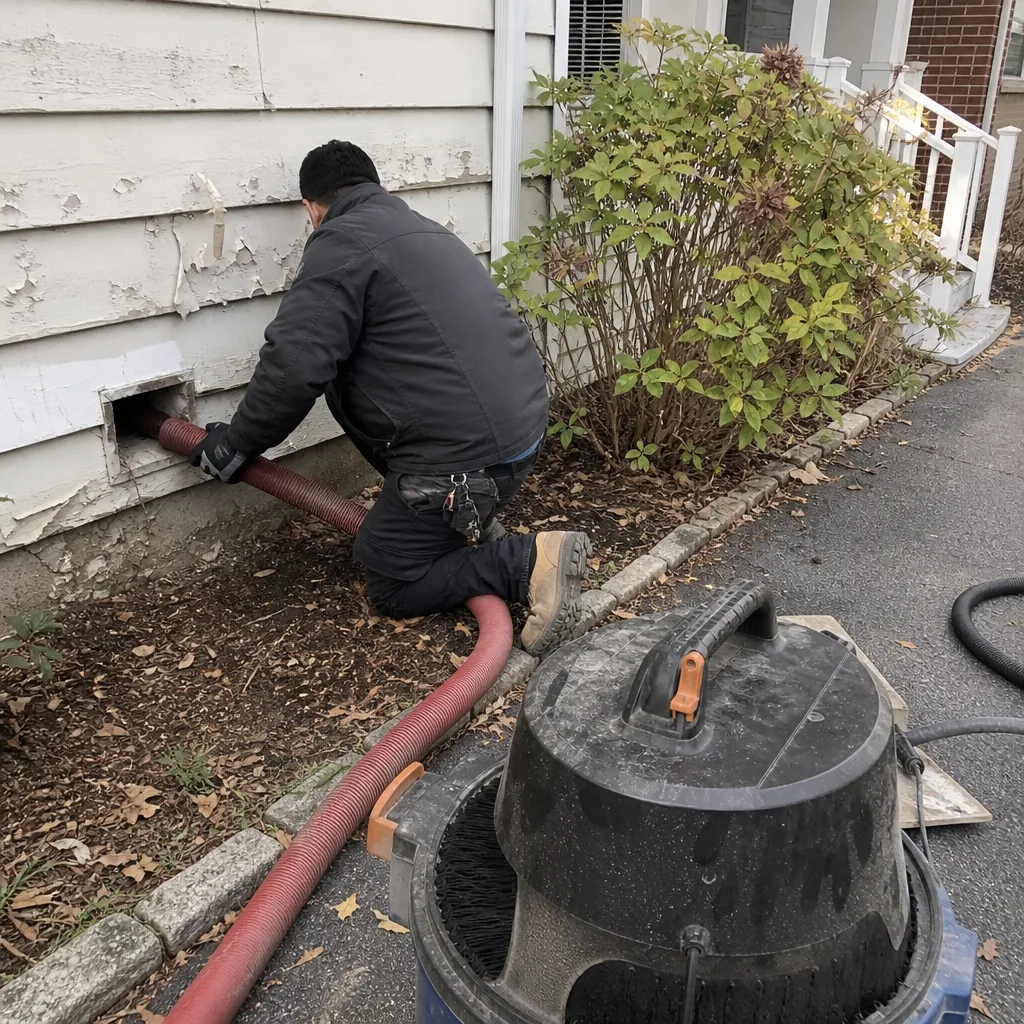 Before
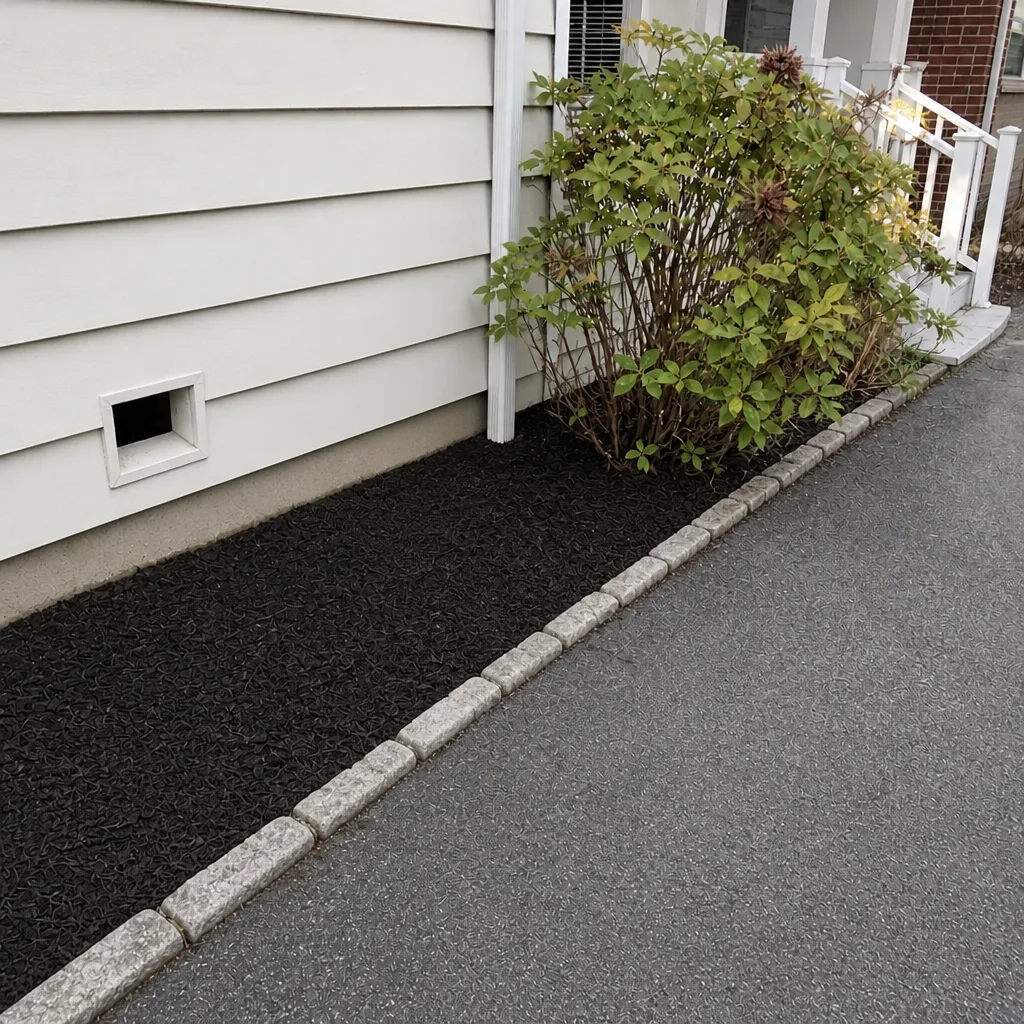 After
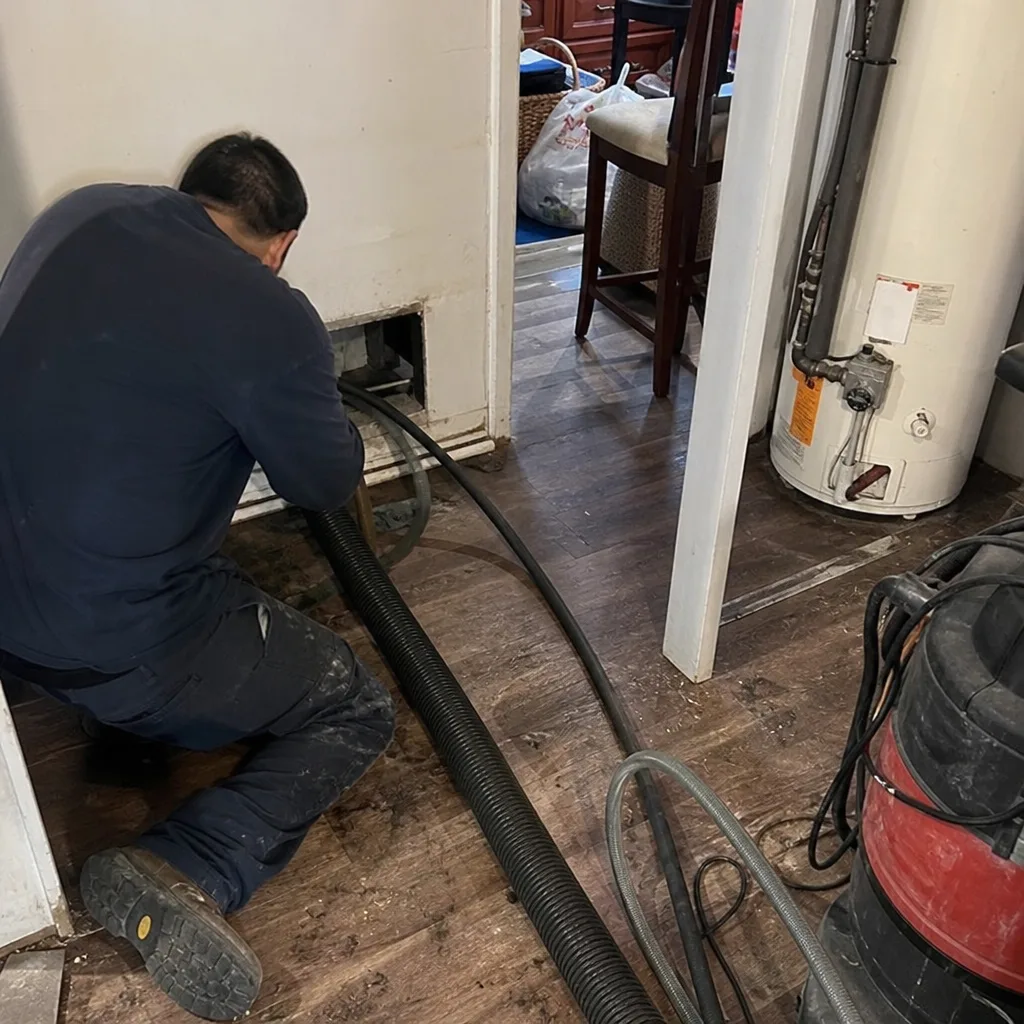 Before
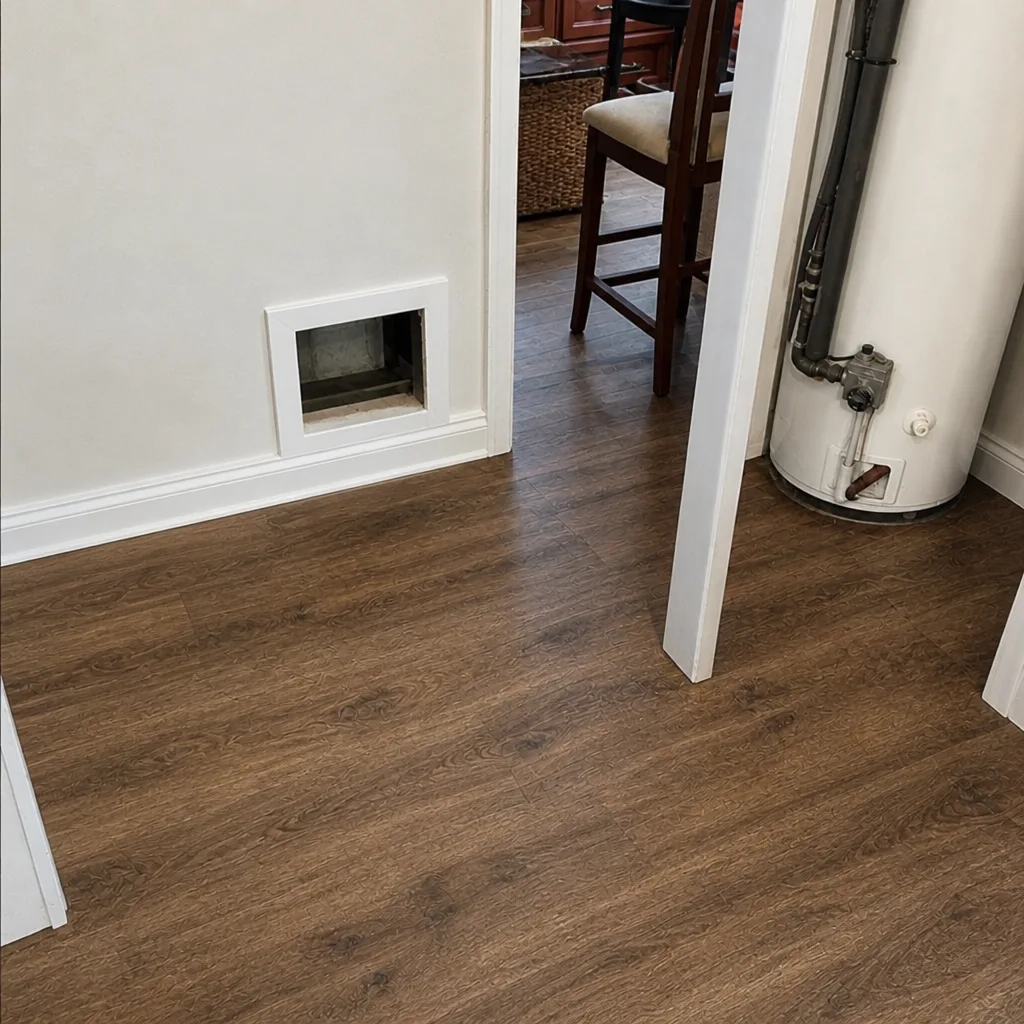 After
 Before
 After