
Last updated November 15, 2026
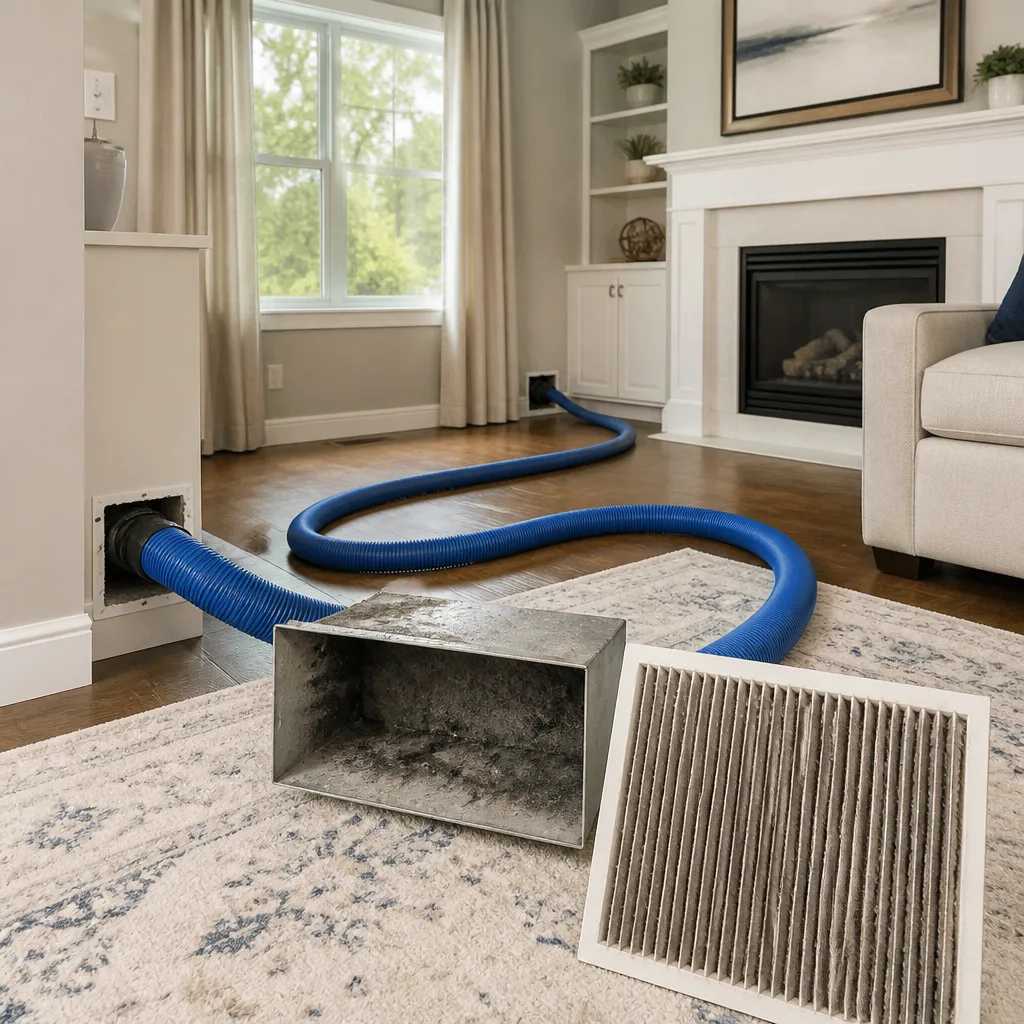 Whole-home duct cleaning
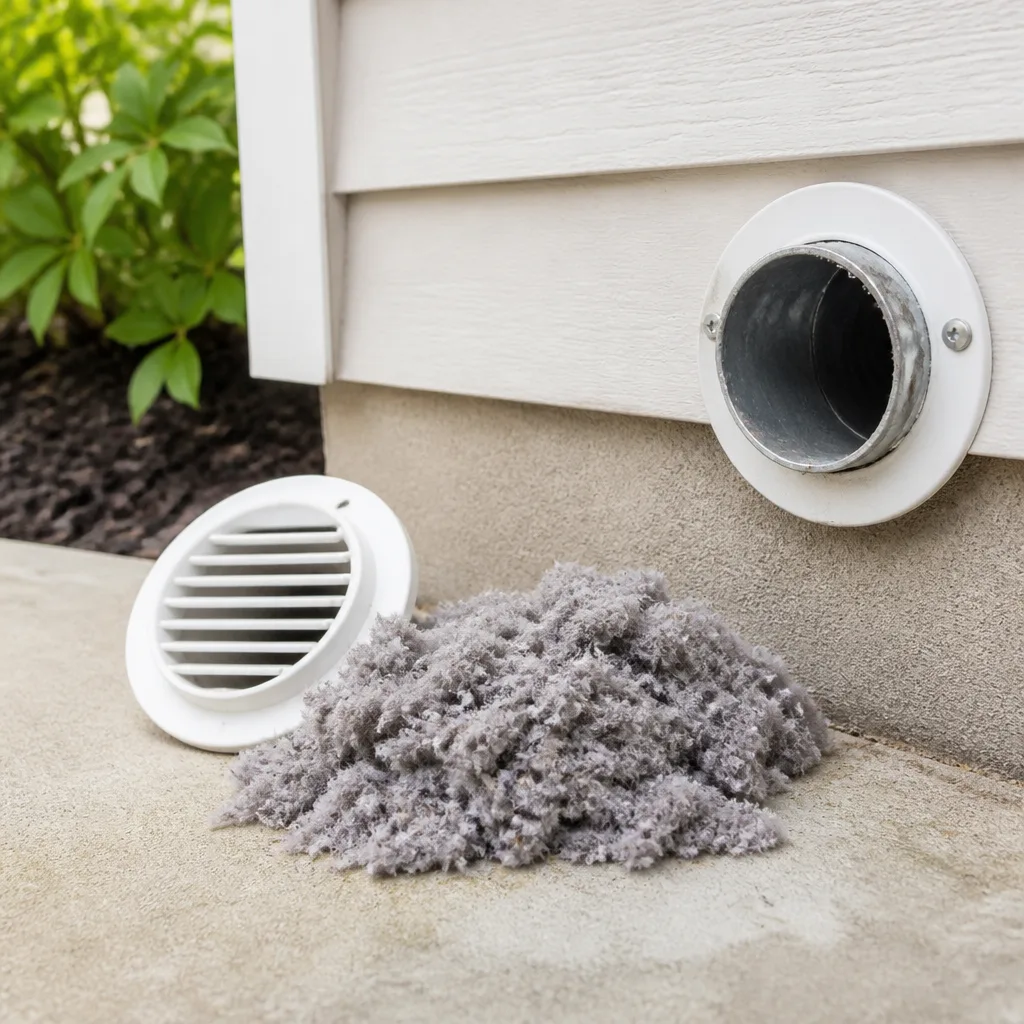 Dryer vent cleaning
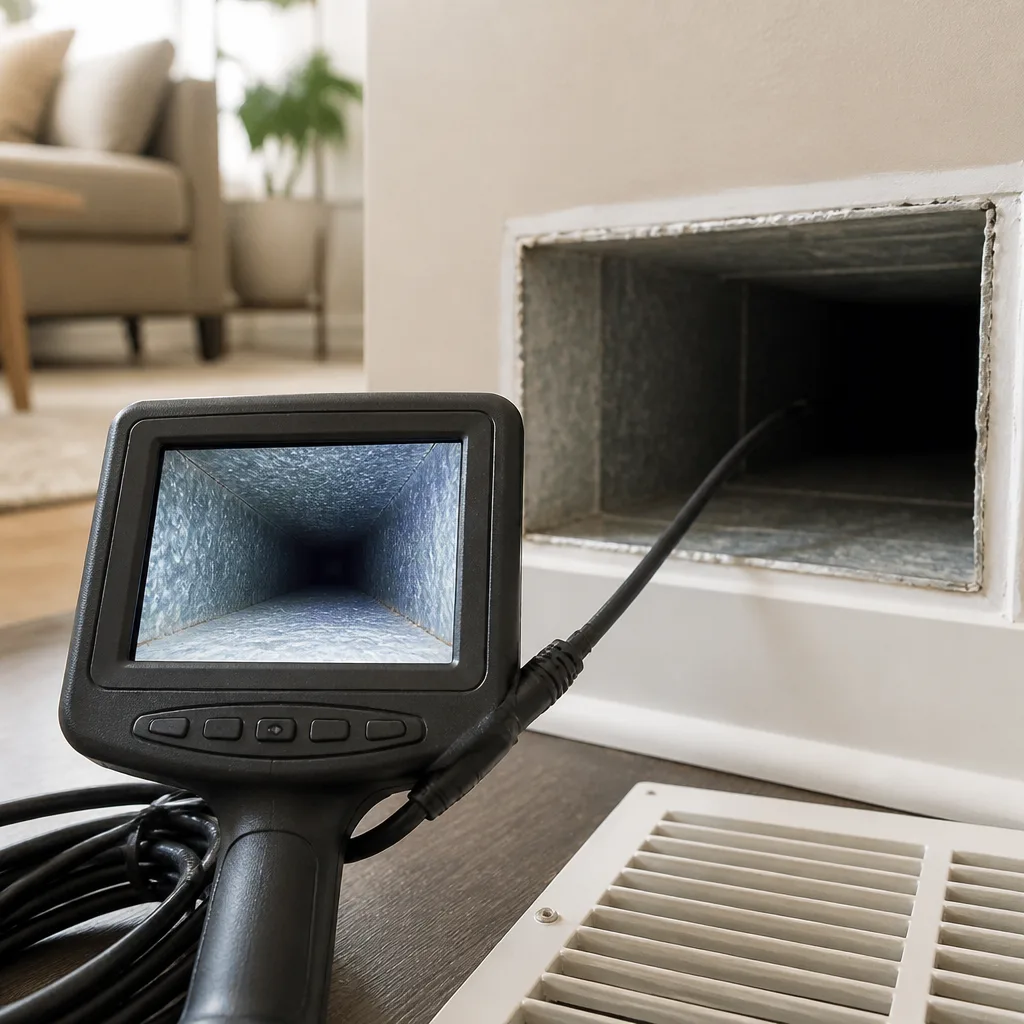 Camera inspection
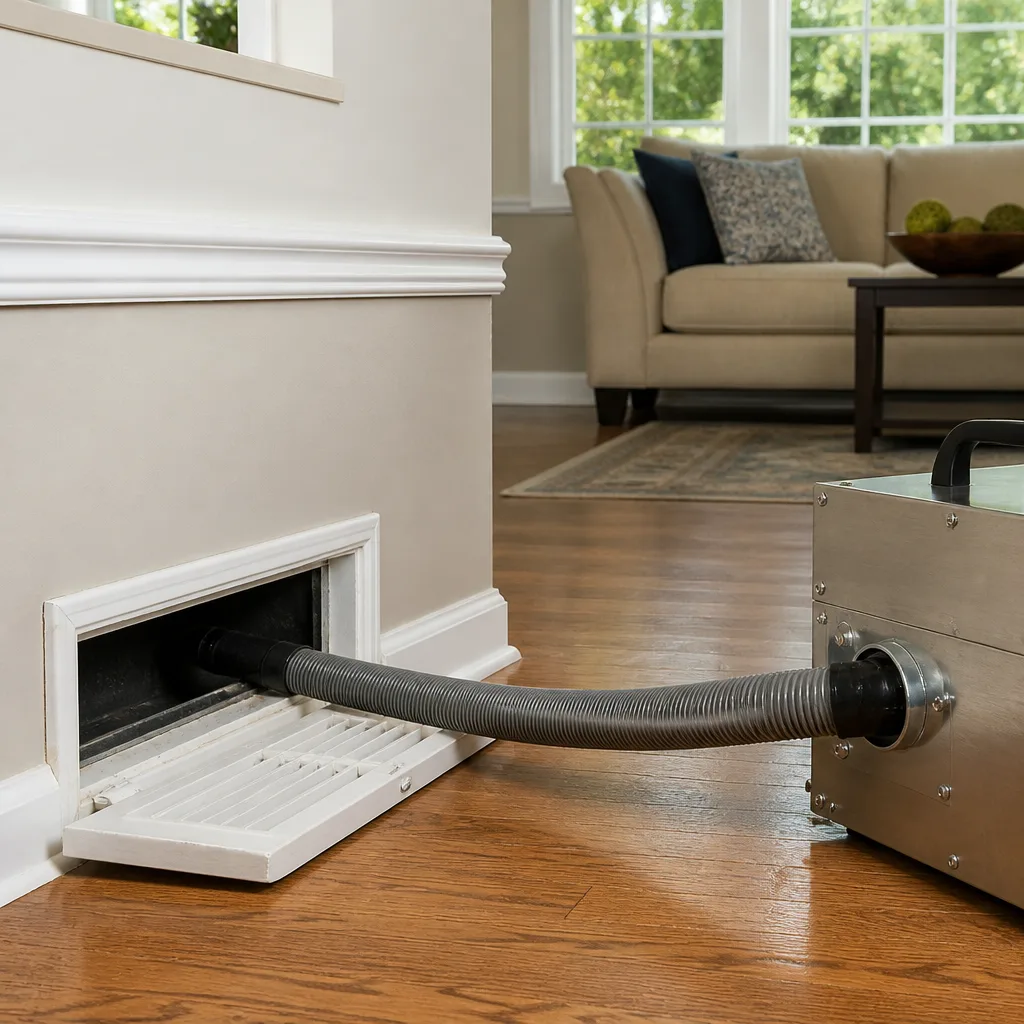 Sanitizing & deodorizing
Whole-system duct and dryer vent check with before-and-after photos - you see exactly what came out of your vents
That "$99 whole-house special" is a bait ad - the real number appears once they are in your hallway, or the "clean" is a shop-vac at the register. We photograph the inside of your ducts before and after instead.
Air Duct Cleaning Maintenance Checklist for Elizabeth Homeowners
The most common duct maintenance mistake isn’t skipping the cleaning. It’s treating a filter change as a substitute for it. A filter catches what’s entering the system; it does nothing about what’s already coating the duct walls downstream. Once debris settles inside the trunk lines and branch runs, no filter will pull it back out, and no amount of swapping pleats will fix it. What follows is a maintenance system, not a to-do list: a structured observation schedule that tells you when your ducts in Elizabeth need professional attention before a small buildup turns into an expensive repair. You’ll learn what to watch at each register, when to inspect, and when to call.
Quick Answer
An air duct maintenance checklist for an Elizabeth home is not a list of cleaning tasks you do yourself. It’s a seasonal observation routine: check your registers, airflow, odors, and filter loading at set intervals, and use what you find to decide whether a professional cleaning is due. Most homes in Elizabeth need a professional inspection every one to three years, with a full cleaning when the indicators show real buildup, plus a reset of the clock after construction, flooding, pest activity, or a new HVAC system.
Styles & brands we work with
- Whole-home duct cleaning
- Dryer vent cleaning
- Camera inspection
- Sanitizing & deodorizing
Table of Contents
- Why Duct Maintenance Is an Observation Schedule, Not a Chore
- The Room-by-Room Register Inspection (No Tools Required)
- The Seasonal Observation Calendar for Elizabeth’s Climate
- Filter Tracking as a Diagnostic Tool
- What You Can Spot vs. What a Technician Detects
- When to Call Sooner: Four Events That Reset the Clock
- The Dryer Vent Is Part of the Air Quality Picture
- Building a Simple Duct Record for Your Home
Why Duct Maintenance Is an Observation Schedule, Not a Chore
There’s a difference between maintaining your ducts and cleaning them. Maintenance is what you do between cleanings. Cleaning is a professional intervention that happens when the maintenance signals call for it. Confusing the two is how homeowners end up either over-cleaning (wasting money on a job that wasn’t due) or under-cleaning (waiting until airflow drops and odors set in).
Think of it the way you’d think about a car. You check the oil and watch the gauges. You don’t rebuild the engine every time you fuel up. Your duct system works the same way: it needs observation, and it needs a real intervention when the observation says so. The observation you can do. The intervention needs professional equipment, not a shop vac and a coupon.
Elizabeth homeowners sit in a specific spot in this picture. The housing stock here runs from older multi-family buildings to single-family homes, and the climate swings from cold, dry heating-season air to a humid summer. Those swings push your duct system through a full cycle every year, and each cycle leaves its own signature: dust loading and dry static in the winter, moisture and musty odors in the summer. If you’re watching for the right signals at the right times, you’ll catch problems while they’re still small. For a deeper look at the intervention itself, see our guide to air duct cleaning.
A maintenance mindset also answers the industry’s worst reputation problem. Homeowners in Elizabeth have heard the coupon pitch. They’ve seen the soft quote turn hard once a technician is on site. A schedule you control flips that around: you’re calling because your own observations told you it’s time, and you know what a real cleaning should cover before anyone arrives.
The Room-by-Room Register Inspection (No Tools Required)
You can run this checklist with nothing but your eyes, nose, and a hand. Do it once per room, top to bottom of the house, and it will take maybe ten minutes. The point is to look at each register the same way every time, so any change stands out.
- Look at the grille face. A light dust film is normal. A thick, fuzzy coating, or dust that falls off when you run a finger across it, signals the duct behind the grille is loading.
- Look into the grille with a flashlight. You won’t see far, but you can see the first few inches of duct wall. Streaks, debris crumbs, or a matted lining there suggests the rest of the run is worse.
- Feel the airflow with the back of your hand. Compare rooms. A register that blows noticeably weaker than the others is a sign the branch serving it is restricted.
- Smell the air at the register while the system runs. Musty, stale, or “cellar” odors are worth noting. Odors that show up only when the heat or AC first kicks on tell you something in the duct is being disturbed by the airflow.
- Note the room’s character. Bedrooms with carpet and pet bedding load faster. Bathrooms and kitchens pull in humidity and cooking debris. A register in a basement or an attached garage run deserves a closer look than one in an open living room.
- Write down what you saw and the date. A one-line note per room is enough. The note itself becomes the diagnostic.
What you’re building with that loop is a baseline. Once you have one, you’ll notice change in a way you can’t from memory alone. And when a room’s register starts to look or smell different, you’ll know it’s a trend, not a one-day impression. That’s the difference between maintaining a system and guessing at it.
The Seasonal Observation Calendar for Elizabeth’s Climate
Two points in the year matter more than any other for your duct system: the end of heating season and the start of cooling season. Everything else is a check-in. Those two windows are when buildup accumulates fastest and when you can catch it before it compounds into the next phase.
Post-Winter: End of Heating Season
A full heating season runs dry, warm air through your ducts for months. Dust gets baked onto duct walls. Sealant at joints can dry and crack. Filter loading reaches its peak. Run your room-by-room inspection right after you shut the heat off for the season, before you switch over to cooling. You’re looking for heavy grille dusting from the winter’s run and any new smells that appeared over the cold months.
Pre-Summer: Cooling Startup
The first week of the cooling season is the other critical window. Humidity is coming up. The evaporator coil starts condensing moisture, and any dust sitting inside the plenum or on the coil gets damp. That combination is where musty odors come from. Run the system for a few minutes the first time and stand at a few registers. If you get a musty smell, note it. If it clears quickly, it’s likely residual. If it lingers, that’s the signal.
Mid-Season Spot Checks
Between spring and fall, a quick monthly pass over the rooms you use most keeps the schedule honest. No full inspection required. Just a glance at the grilles and a feel for airflow.
Late-Fall Check-In
Before the heat comes back on, do one more pass so you go into winter knowing where you stand. If your filter readings have been trending upward and grilles are showing heavy loading, that’s the point to schedule a professional cleaning so a clean system runs all winter, not a dirty one.
Our team at Duct Cleaning Elizabeth, which offers duct cleaning in Elizabeth and surrounding areas, follows the weather here closely enough to know the pattern: cold and dry from late fall through early spring, humid through the summer. Those two transitions are what our customers call about most often, and they’re the two windows this calendar is built around.
Filter Tracking as a Diagnostic Tool
Here’s the part most homeowners miss. Your filter isn’t just something you swap. It’s an instrument. A filter that loads faster than its usual interval is telling you something about the system behind it.
A normal filter, in a normal home, loads at a predictable rate. Swap it on a schedule and it looks about the same at every change. If yours starts loading visibly faster than usual, the most likely explanation is that the duct system is moving debris toward it. That means the duct walls upstream are shedding. Which means there’s more debris sitting inside the system than there used to be.
Watch for these filter signals:
- Loading noticeably sooner than your usual interval. Leading signal that duct walls are casting off debris.
- Visible dust on the downstream face of the filter. Normally you shouldn’t see much there. If you do, particles are getting past the filter media.
- Loading in one area of the filter more than the rest. Points to uneven airflow from a specific branch.
- Fresh dust appearing on furniture and shelves shortly after a filter change. Suggests the duct system is putting dust into the room, not just pulling it out.
Write down the date of each filter change and what it looked like. Two or three entries in a row tells you whether the loading rate is stable or shifting. That’s the sort of record that lets a technician make a real recommendation instead of a guess. It’s also the sort of record that tells you when a “recommended annual cleaning” is actually due and when it isn’t.
Filter media matters too. A cheap filter that catches almost nothing loads fast because nothing is being trapped and airflow is barely obstructed; a dense filter restricts airflow and can put extra strain on the system. Either way, the loading pattern is the diagnostic, and it only works if you’re tracking it.
What You Can Spot vs. What a Technician Detects
Homeowners tend to overestimate what they can see inside their ducts and underestimate what a technician can. Both errors cost money. Here’s the honest split.
What you can observe:
- Dust on and immediately behind the grille
- Uneven airflow between rooms
- Odors at the register (musty, stale, “cellar”)
- Filter loading pattern and rate
- Increased dust on surfaces after a filter change
- Water stains or rust near the plenum, visible from the equipment area
- Loose or rattling duct connections you can see
What a trained technician detects:
- Condition of the plenum and trunk lines beyond the first few inches
- Mold in the plenum or on the evaporator coil area (which is not a surface inspection)
- Debris accumulation in trunk runs the homeowner can’t reach or see
- Loose joints, gaps, and disconnected runs inside walls and above ceilings
- How the duct system behaves under real pressure, with real equipment attached
- Whether a repair is needed before cleaning is even worth doing
That second list is why a single register glance isn’t a diagnosis. It’s why the right tool matters. Rotobrush rotary brush systems agitate and extract material from duct walls mechanically, and Nikro HEPA-rated vacuum equipment captures what’s been broken loose, so it doesn’t redistribute into the living space. A technician using that equipment can see and handle conditions a homeowner cannot, and can tell you whether what you smelled at the register is a small buildup or a plenum problem.
When to Call Sooner: Four Events That Reset the Clock
The seasonal calendar assumes a stable home. When something happens to your home that changes what’s in the air and in the ducts, your maintenance clock resets to zero and you should get an inspection before the next scheduled window.
1. Construction or Renovation
Drywall dust is the worst offender. It’s fine, gritty, and it gets everywhere, including into the return ducts. Even with plastic barriers up, drywall dust gets pulled in through the returns the moment the HVAC runs. If you’ve had significant work done in Elizabeth, don’t wait for the next seasonal cleanup. The earlier a duct system is cleaned after construction, the less embedded the dust becomes on the duct walls.
2. Flooding or Water Intrusion
Elizabeth’s older housing stock means basement and first-floor water intrusion is a known risk in a wet spring. Any time water gets into a duct, plenum, or the equipment area, you have a moisture problem inside the system that needs professional attention. Moisture and drywall dust don’t coexist well, and neither do moisture and the coil area. An inspection after a water event should happen as soon as things are dry enough to work in.
3. Pest Evidence
Droppings, nesting material, or chewing sounds in the ducts mean something has been living in your system. That’s not a cleaning issue that can wait. Nesting material restricts airflow and holds odors, and the duct needs to be cleaned and checked for damage before it goes back into service.
4. HVAC System Replacement
A new furnace or AC unit upgraded the equipment. It did not clean the ducts. Debris that was sitting in the duct walls before the replacement is still there afterward, and the new system will pull from the same contaminated system. Have the ducts inspected when the equipment is new, so the system starts its next phase clean. This is also the moment to look at whether the ductwork itself needs repair, because an equipment change often exposes connections that were never quite right.
The company you choose for an inspection should be able to handle cleaning and repair in the same visit. Duct Cleaning Elizabeth offers air duct repair alongside cleaning, which matters because a duct that needs repair and never gets it is a duct that will be dirty again sooner than it should be. If the inspection reveals a problem, you don’t need to call a second contractor.
The Dryer Vent Is Part of the Air Quality Picture
The air duct maintenance checklist isn’t complete without the dryer vent. It’s a separate system, and in most homes it’s overlooked entirely. It’s also a fire-danger component, which is why we treat dryer vent cleaning as its own service, not an afterthought added to a duct invoice.
What to check on the dryer vent side:
- How long your clothes take to dry. A dryer that suddenly needs two cycles is a classic blocked-vent signal.
- Whether the outside flapper opens fully while the dryer runs. A flapper that barely moves or stays shut points to a blockage.
- Whether the outside vent has lint visible at the opening.
- Whether the duct run behind the dryer sidewalls is crushed or kinked.
- The lint trap, every load. It doesn’t diagnose the vent, but it tells you how much lint the system is generating.
Dryer vent cleaning needs professional equipment too. The lint that matters is the buildup inside the wall-run, not the screen you pop out after each load. If the vent run is long, has bends, or is routed through a wall or roof, that interior buildup is the part a homeowner can’t get to. Our dryer vent cleaning service exists for the same reason duct cleaning does: it’s a system cleaning, done with the right tools, not a surface pass.
Building a Simple Duct Record for Your Home
The last piece of the maintenance system is a record. Not a spreadsheet. A single note on your phone or a page in a notebook. Four columns: date, what you checked, what you saw, what you did about it.
- Filter changes. Date and general appearance at each change.
- Seasonal inspection results. Which rooms looked off, which smelled off.
- Professional visits. When the ducts were last professionally cleaned or inspected, and what was done.
- Reset events. Any construction, water event, pest evidence, or equipment replacement.
Why does this matter? Two reasons. First, it turns your memory into data. The filter that loads faster this spring than last spring is something you’ll only notice if you wrote it down. Second, when you call a professional, you hand them a real picture of the system. That lets them make an honest recommendation instead of a guess, and it puts you in a better position to tell whether the recommendation makes sense.
In our experience, homeowners who track this tend to need fewer cleanings overall. Not because they skip them, but because they catch small issues earlier when the fix is simpler. The record becomes a filter of its own: it filters out unnecessary work and keeps your attention on the parts of the system that actually need it.
Common Mistakes to Avoid
- Treating a filter change as a substitute for cleaning. The filter catches what’s entering the system. The internal buildup is already past it. No filter swap removes what’s already on the duct walls.
- Only checking ducts when something smells. Odor is the last signal to appear, not the first. By the time you smell a problem, the buildup is usually well established. Use the seasonal windows to catch it earlier.
- Calling a cleaning the moment you see dust on a grille. A light film on a grille is normal and doesn’t justify a cleaning. The signal is a change in loading pattern, not the presence of any dust at all.
- Assuming a coupon duct cleaning is a cleaning. Some rock-bottom prices cover only a surface pass through the visible runs. If the quote you get is a fraction of a whole-system cleaning, ask what’s actually included, and whether the plenum and trunk are in scope.
- Skipping the post-construction inspection. Drywall dust is a one-time contamination event. Waiting six months to address it gives the dust time to settle deep on the duct walls.
- Ignoring the dryer vent. It runs on the same air-cycling logic as the duct system and is the more fire-sensitive of the two. Treat it as part of the maintenance calendar, not a separate chore.
- Not writing anything down. Your memory can’t track a filter loading rate over six months. The record is the diagnostic, and it’s free.
See the difference
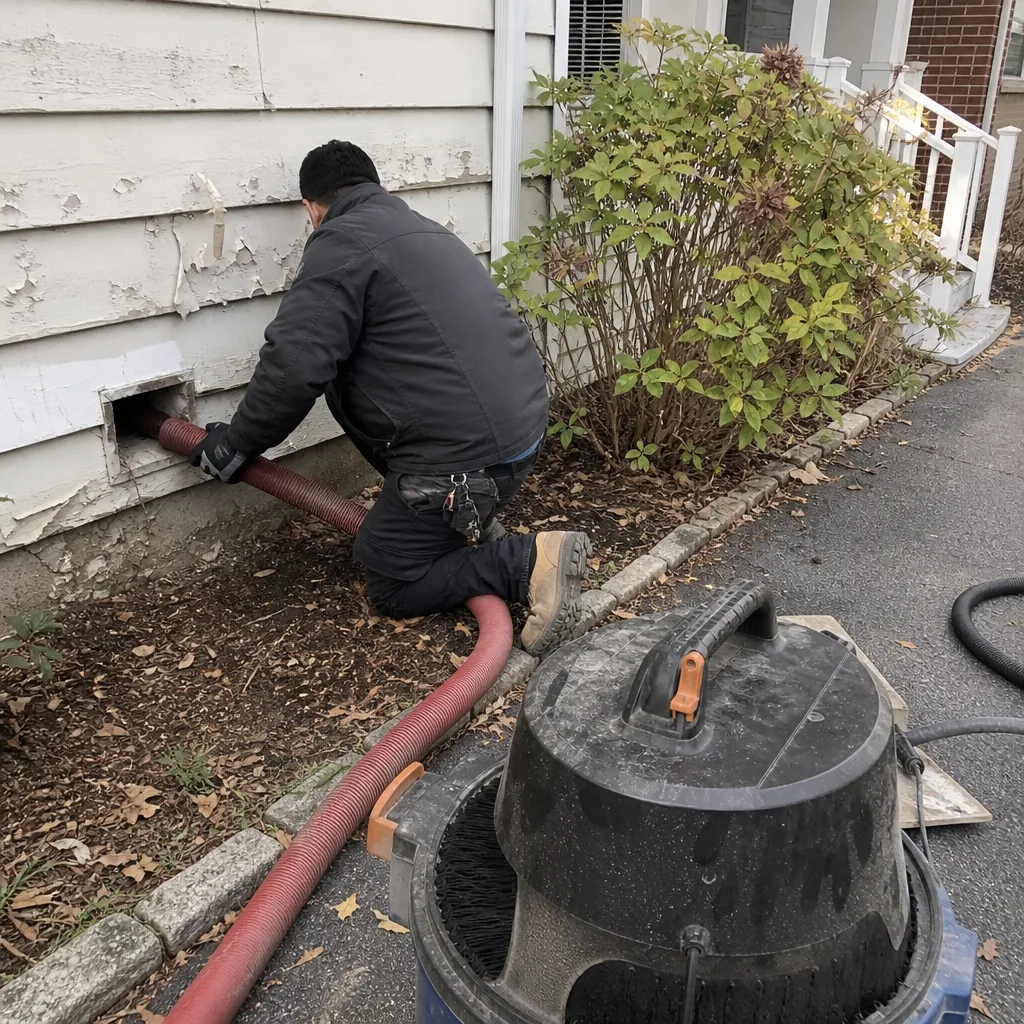 Before
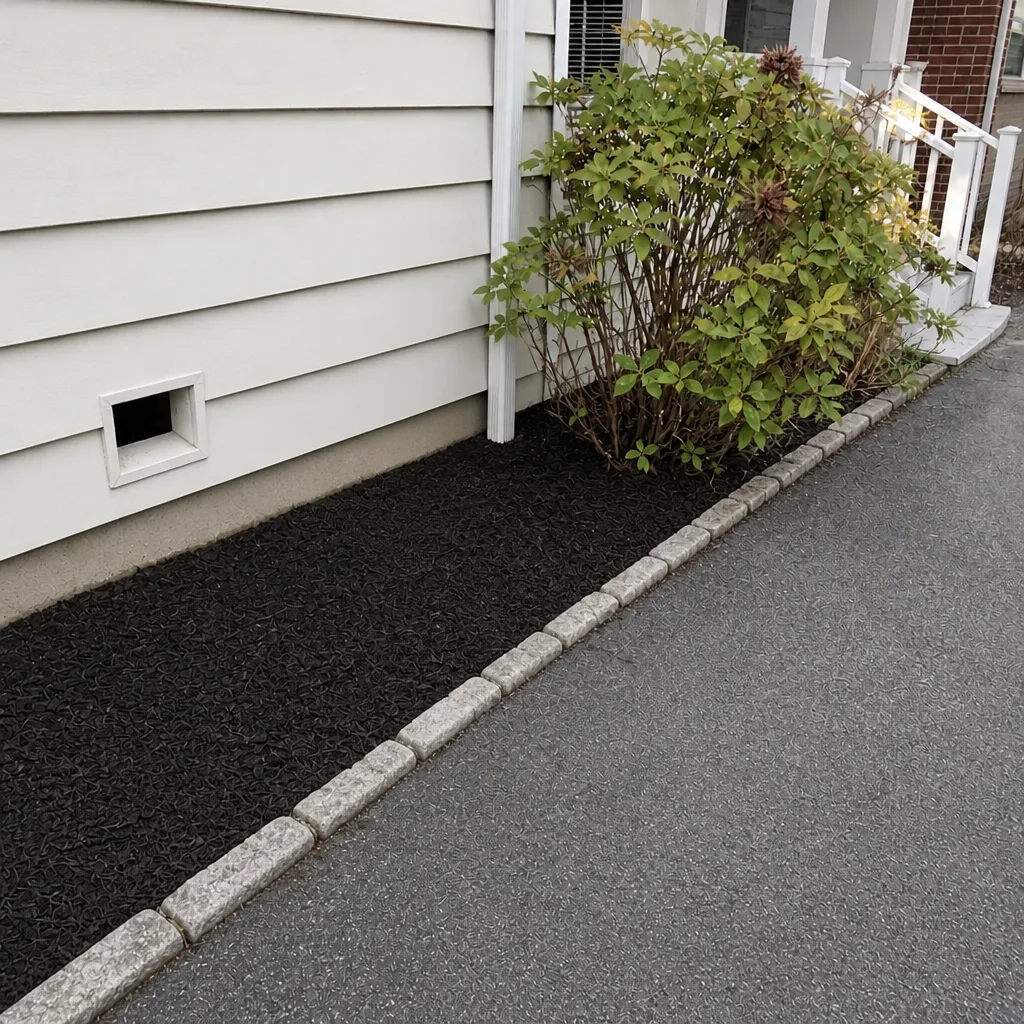 After
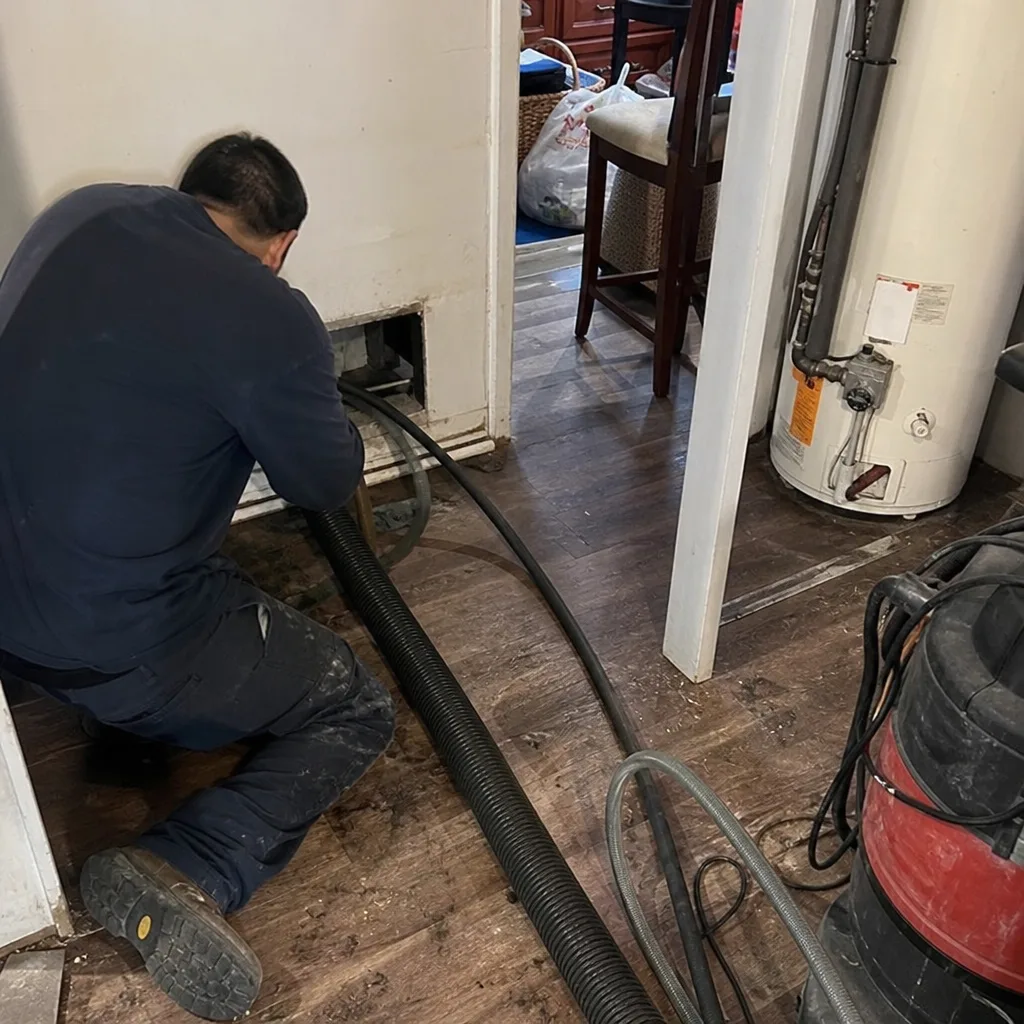 Before
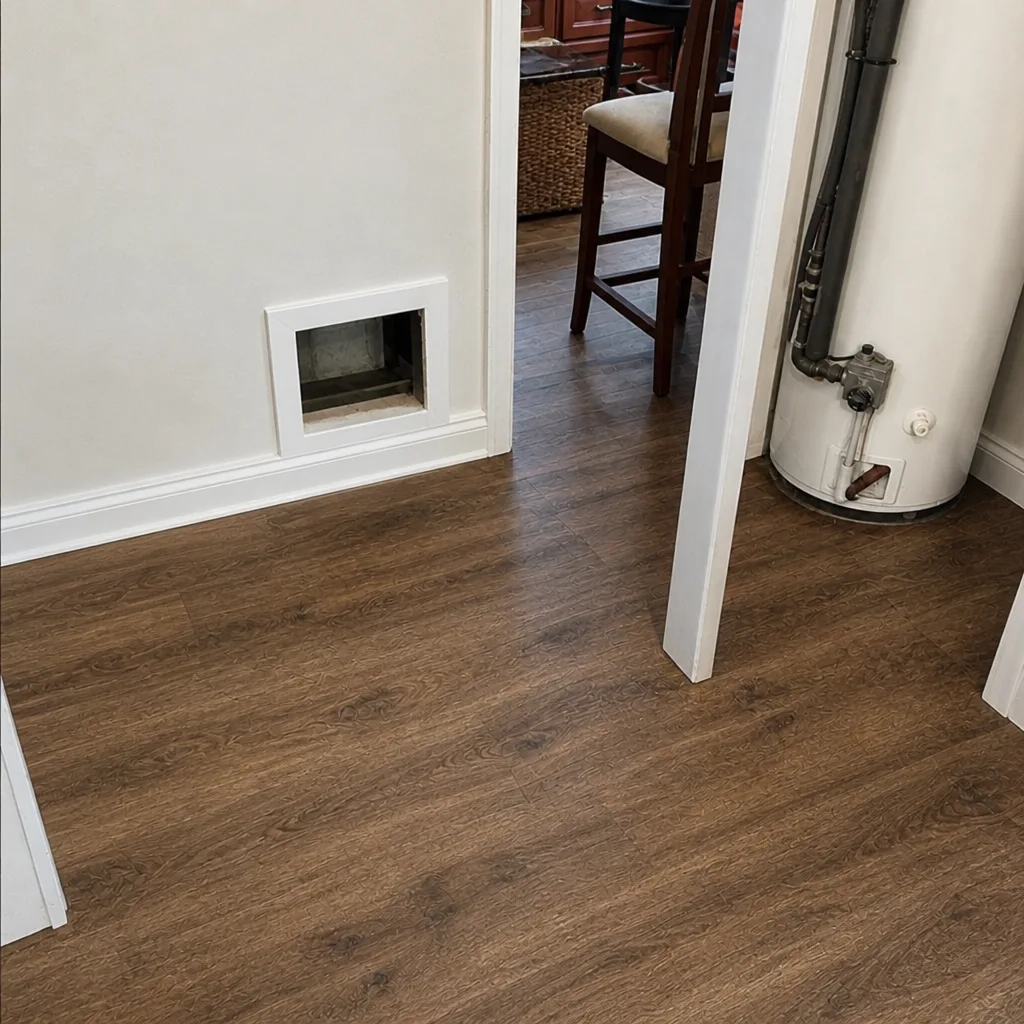 After
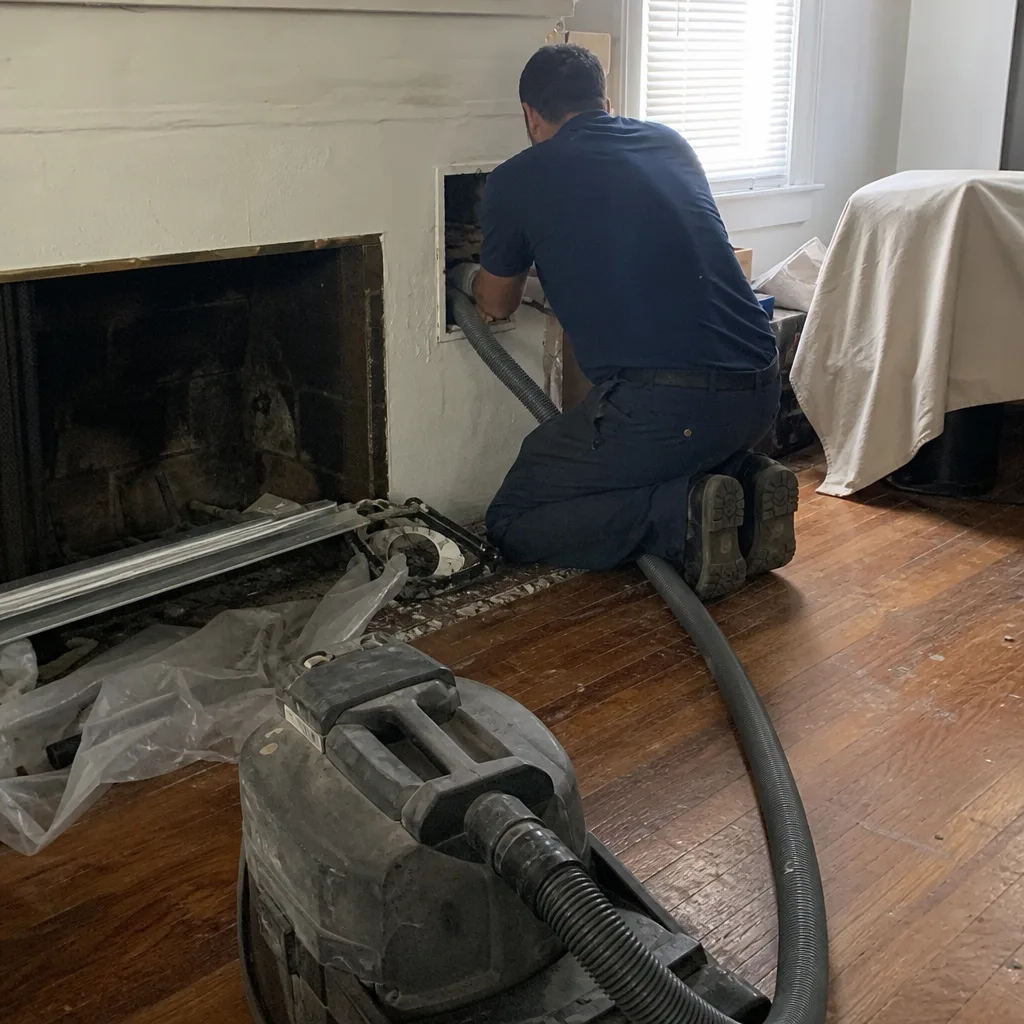 Before
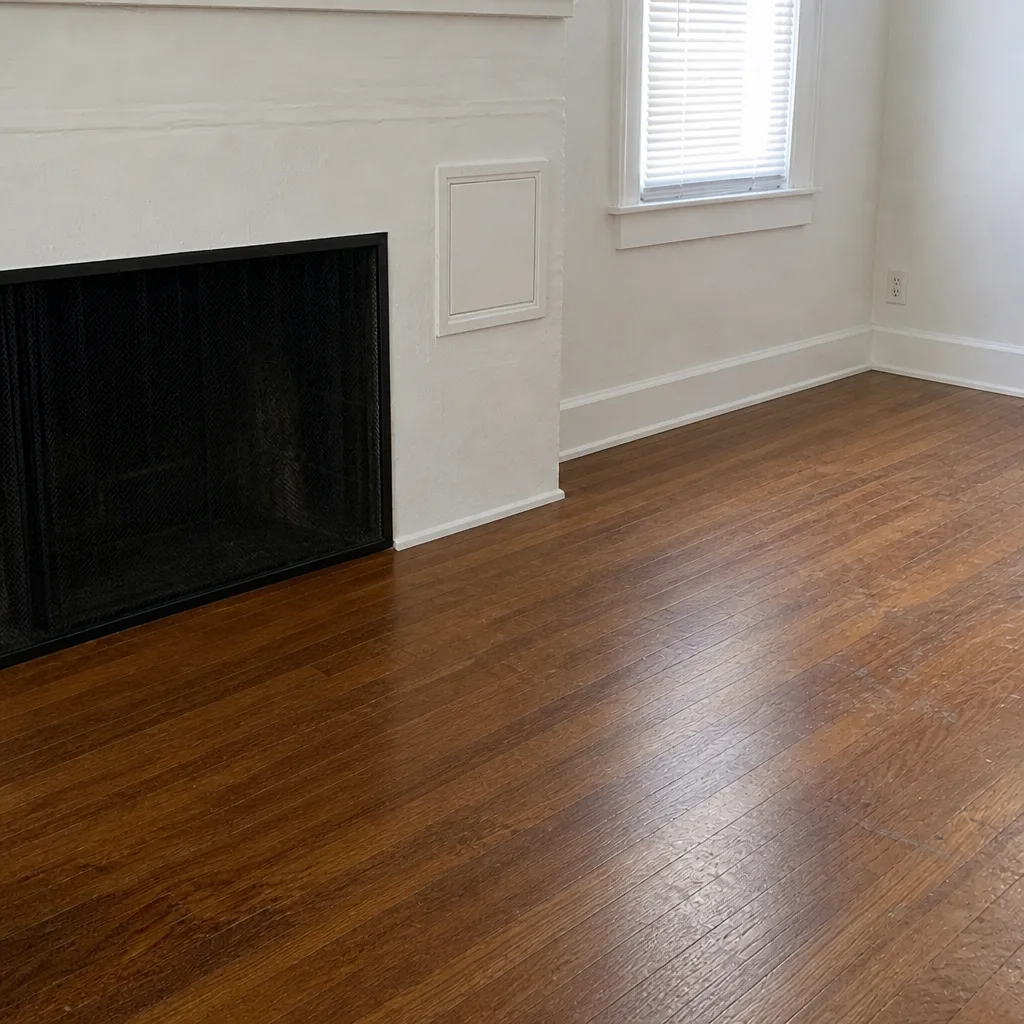 After
When to Call a Professional
Call a professional when your own observations cross from “mild” to “changing.” Thick grille dusting that returns shortly after a wipe-down. Musty odor that lingers at the register through the cooling season. Uneven airflow that’s gotten worse this year than last. Filter loading that’s accelerating. Any of the four reset events: construction, water intrusion, pest evidence, or a new HVAC system. And any time you’ve noticed lint accumulating around a dryer vent opening or clothes taking longer to dry.
Duct Cleaning Elizabeth offers free estimates in Elizabeth. We work with professional-grade equipment, including Rotobrush rotary brush systems, Nikro HEPA-equipped vacuums, and Abatement Technologies equipment, and we quote a flat price per system before work starts. Call (833) 946-6248. We answer 24/7. Fast dispatch from 7am to 7pm, Sunday through Friday.
Frequently Asked Questions
Most homes in Elizabeth benefit from a professional inspection every one to three years, with a full cleaning when the inspection signals show real buildup. The right interval depends on the home: older buildings with original ductwork tend to load faster, and homes with pets or recent renovations need more frequent attention. Base your decision on the observation signals, not a fixed schedule.
Cheap quotes usually cover a surface pass through the visible runs and skip the plenum, the trunk lines, and the mechanical agitation that actually breaks material off the duct walls. A whole-system cleaning uses equipment built for the job: rotary brushes, HEPA-rated extraction, and containment gear. If the quote seems too low to cover that scope, it probably is. Ask what’s included before you book, and call (833) 946-6248 for an exact quote on a whole-system cleaning in Elizabeth.
No, a shop vac won’t clean a duct system. It lacks the rotary agitation to break debris off the walls and the HEPA-rated extraction to contain what gets loosened. What it does do is stir up the loose material and put it into your living space. Homeowner maintenance is observation; the cleaning itself needs professional equipment.
Ask for before-and-after photos of your own ducts, not stock images. A professional cleaning should show you the plenum, trunk, and registers before and after, plus a clear scope in writing. Combined with a flat price agreed before work starts, that gives you an honest record of what was cleaned and what was found.
Heating season runs warm, dry air through your ducts for months, which dries out light dust and lets it break free from the duct walls and travel to the filter. That, plus typical winter heating usage, accelerates filter loading. Faster winter loading isn’t automatically a problem, but if the rate is accelerating year over year, it’s a sign to look at the duct condition.
You should have the ducts inspected, and often cleaned, after a new HVAC system goes in. The new equipment pulls from the same ducts the old system did. Debris in the duct walls doesn’t go away because the equipment changed. Inspecting at that moment tells you what condition the ducts are in and whether a repair is needed before the new system runs on them for years.
The Bottom Line
Think of your duct system as something you maintain between professional cleanings, not something you clean as a chore. The observation schedule is the maintenance: a room-by-room register check, a seasonal calendar built around Elizabeth’s heating and cooling transitions, and filter tracking as a diagnostic. When a signal changes, the observation tells you it’s time. When one of the four reset events happens, the clock resets and you call sooner. Everything else is a look, a feel, a smell, and a note. If your observations say it’s time, get an honest estimate from a company that shows you the before-and-after photos and quotes a flat price per system before work begins.
Contact Duct Cleaning Elizabeth
If your maintenance checklist has flagged something in your ductwork, we can help you decide what’s next. Duct Cleaning Elizabeth works with Rotobrush, Nikro, and Abatement Technologies equipment, services whole-home air quality systems including Aprilaire, Honeywell, and Guardsman platforms, and offers cleaning, repair, and dryer vent service under one roof. The estimate is free, the price is set per system in writing before work starts, and you get photos of your own ducts before and after. Call (833) 946-6248. We answer 24/7. Fast dispatch from 7am to 7pm, Sunday through Friday.
Written by the team at Duct Cleaning Elizabeth.