
Last updated November 15, 2026
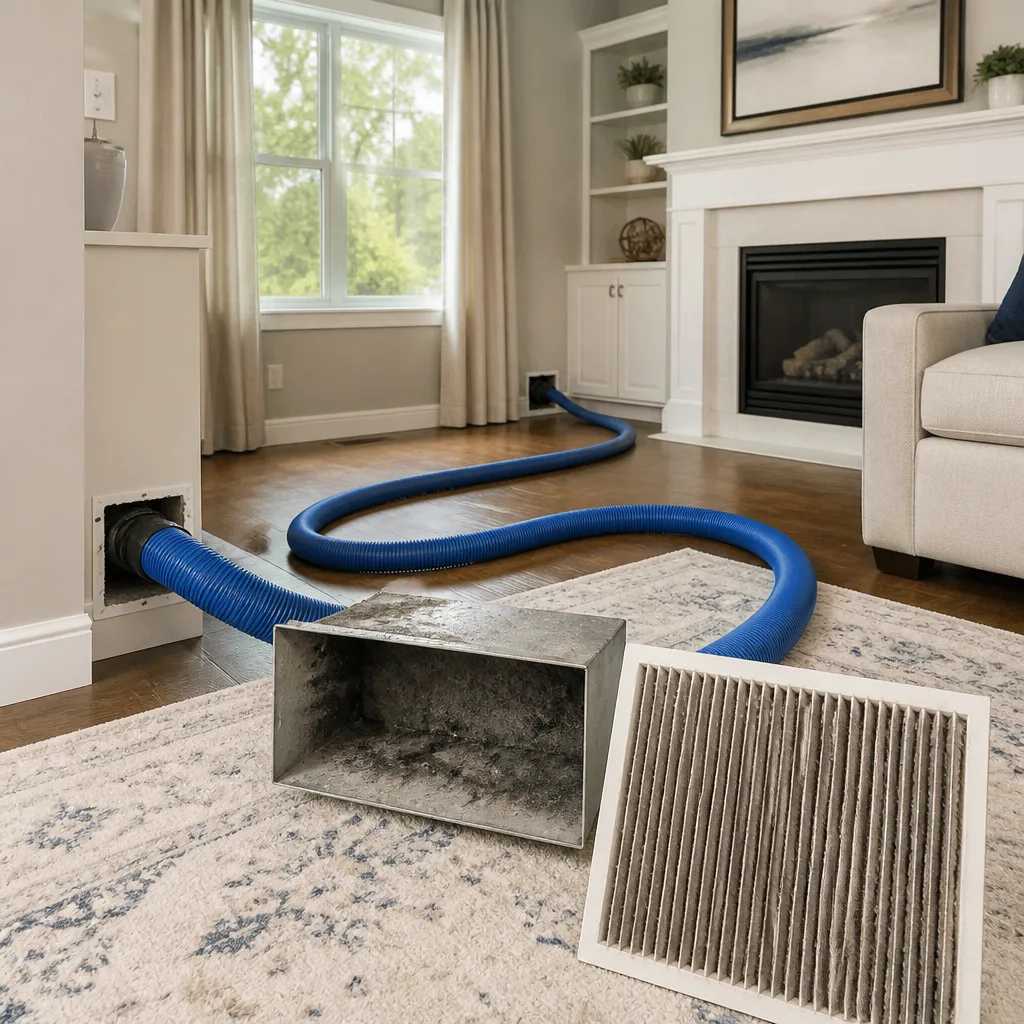 Whole-home duct cleaning
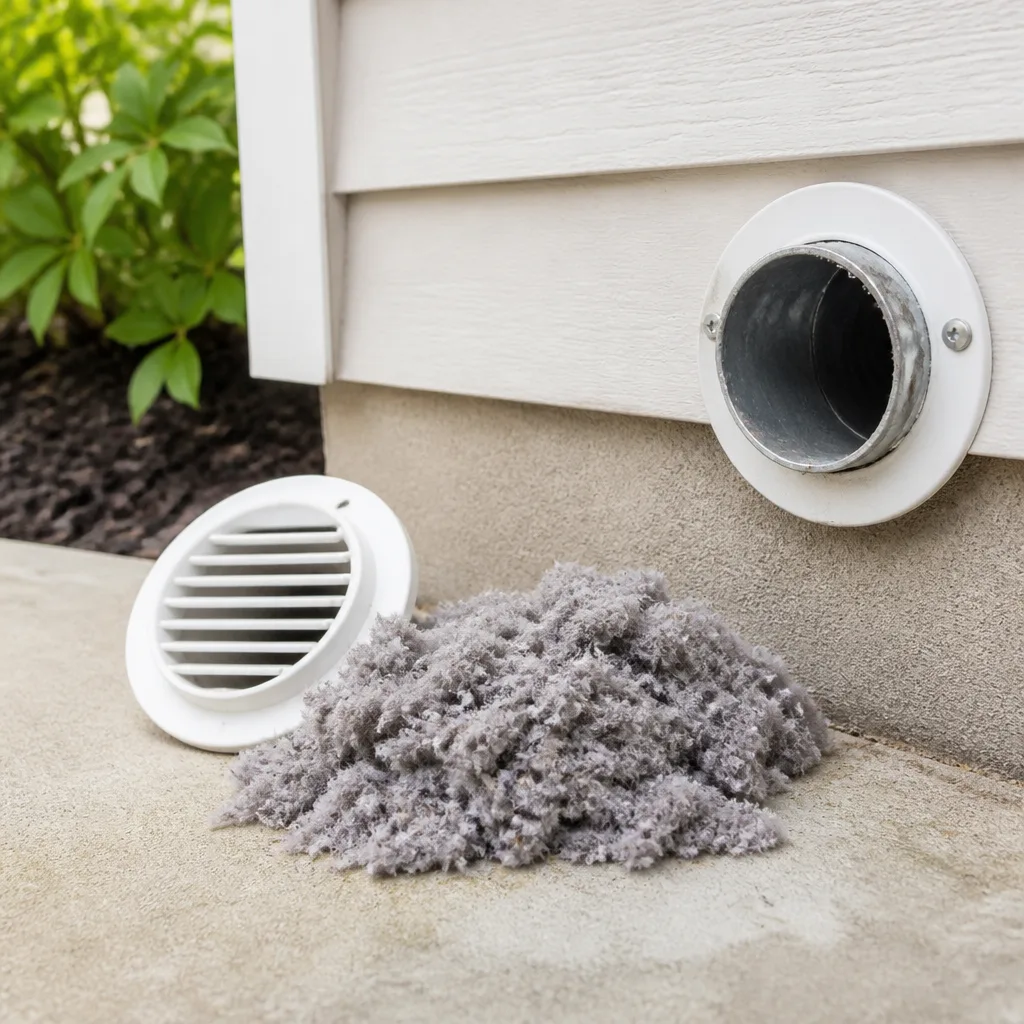 Dryer vent cleaning
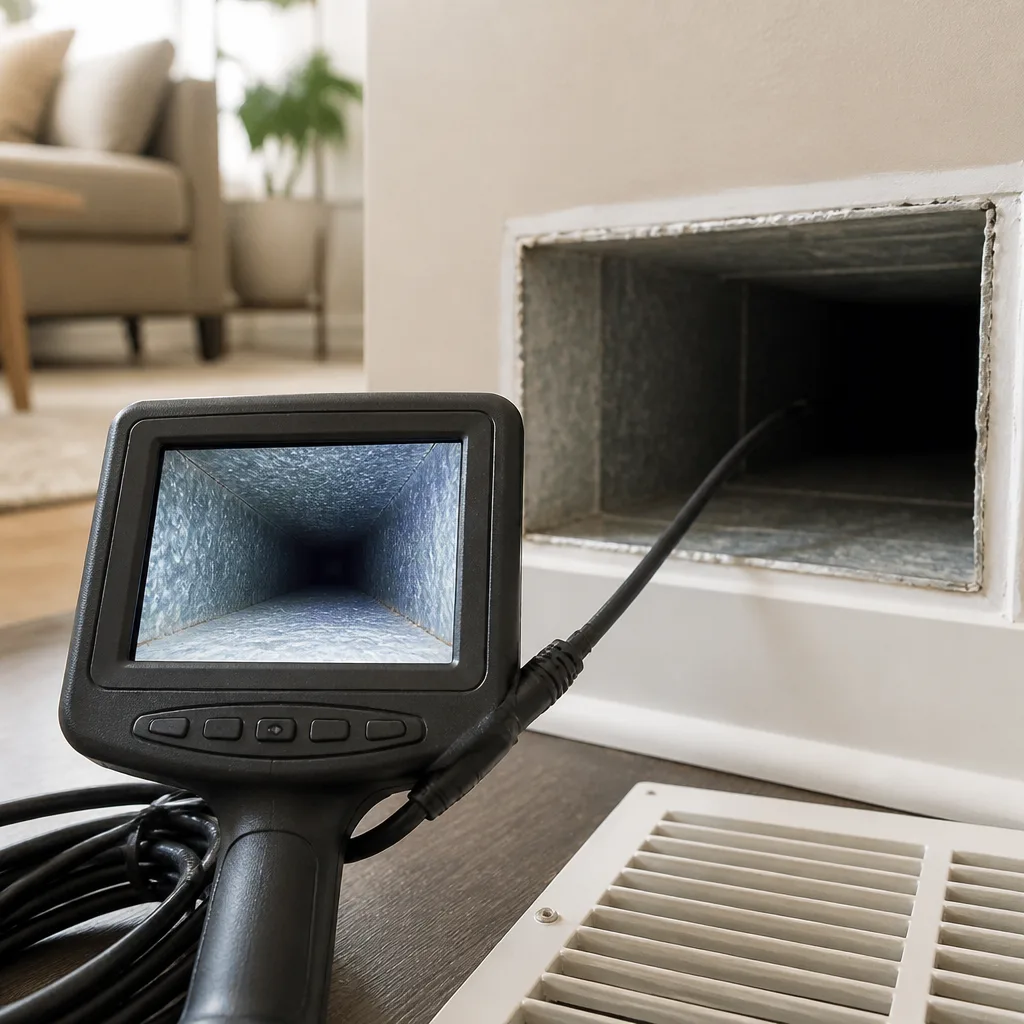 Camera inspection
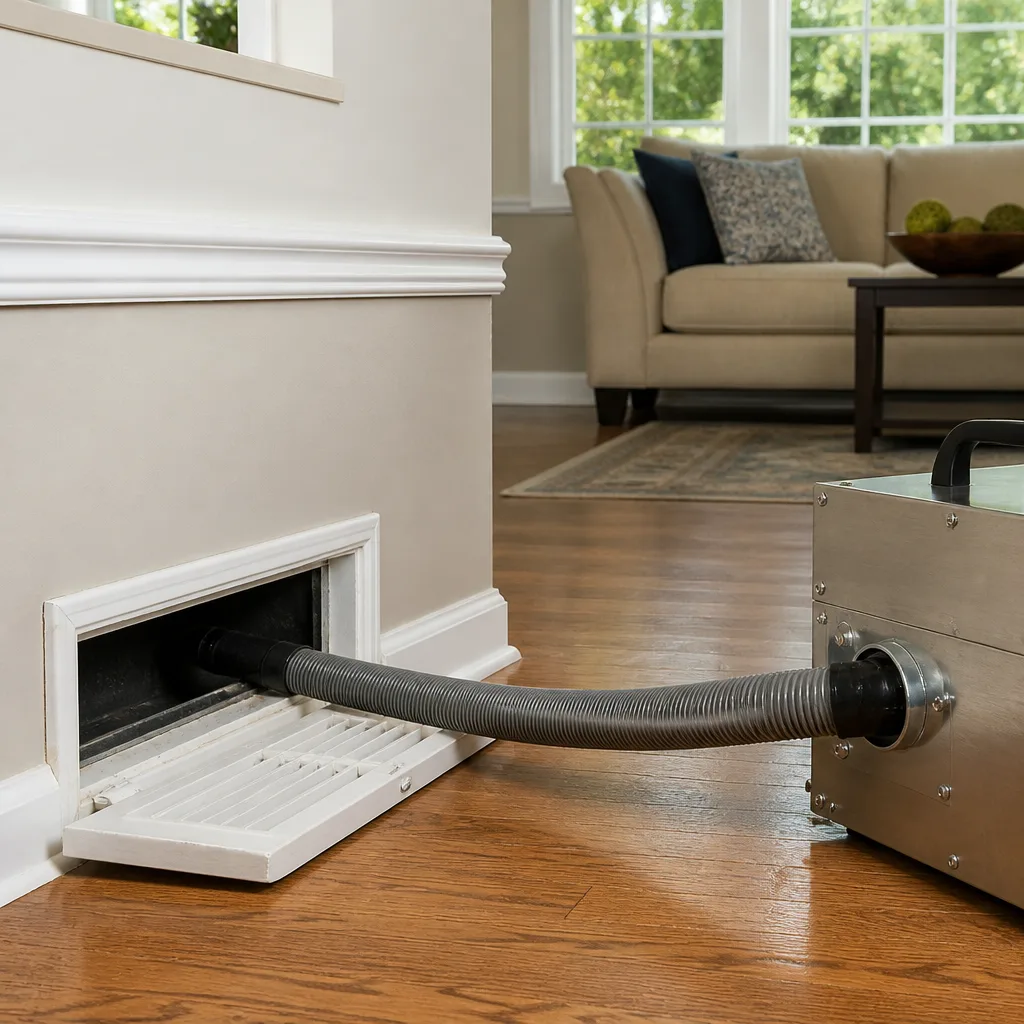 Sanitizing & deodorizing
Whole-system duct and dryer vent check with before-and-after photos - you see exactly what came out of your vents
That "$99 whole-house special" is a bait ad - the real number appears once they are in your hallway, or the "clean" is a shop-vac at the register. We photograph the inside of your ducts before and after instead.
Air Duct Cleaning Emergency Preparedness Guide for Elizabeth Homes
The most damaging thing after a basement flood isn’t the water you can see. It’s what happens when the furnace kicks on and pushes damp air through every duct in the house. Biological growth inside ductwork can begin within 24 to 48 hours of moisture exposure, and once the HVAC starts circulating that air, contamination spreads from a wet basement into bedrooms, kitchens, and living rooms that never touched floodwater. This guide is written for Elizabeth homeowners and property managers who want a plan before something happens, and a clear first-24-hours response if it already has. We’ll cover the three duct emergencies that come up most often in this city, when to shut the system down, how to handle an insurance claim, and the difference between emergency remediation and ordinary cleaning.
Quick Answer
Air duct cleaning after an emergency in Elizabeth means stopping the HVAC immediately, documenting the contamination with photos before anything is moved, and calling a specialist who uses professional-grade extraction equipment. Standard cleaning is routine maintenance; emergency remediation is a contamination event, and the two use different processes, equipment, and documentation. If water, smoke, or pests have entered the duct system, treat it as a system-wide problem, not a register-by-register job.
Styles & brands we work with
- Whole-home duct cleaning
- Dryer vent cleaning
- Camera inspection
- Sanitizing & deodorizing
Table of Contents
- The Three Duct Emergencies Elizabeth Homes Face
- Flood and Water Intrusion: The First 24 Hours
- Fire and Smoke: Why You Shut the System Down
- Pest Infestation in Ductwork
- Working With Your Insurance Claim
- Emergency Remediation vs. Standard Cleaning
- Pre-Emergency Preparedness Checklist
- Why Equipment Grade Matters in an Emergency
The Three Duct Emergencies Elizabeth Homes Face
Elizabeth sits on ground that has flooded more than once, with a housing stock that mixes century-old multifamilies with mid-century ranches near the port and newer construction on the edges. That combination creates three predictable duct emergencies, and each one needs a different first response. Knowing which category you’re in on the phone saves a full day.
1. Flood and water intrusion
Basement flooding is the most common event here. Water enters through foundation cracks, backed-up drains, and sump failures during heavy rain. When the water recedes, the visible damage gets cleaned up, but the duct system – especially low-return trunks and any ducts running through or near a finished basement – stays damp. That’s the part most homeowners miss.
2. Fire and smoke
Even a contained kitchen fire sends soot and smoke residue through the return air system. Smoke particles are small enough to travel through duct joints and settle on interior surfaces. The residue is acidic and keeps off-gassing long after the fire is out, which is why the smell comes back weeks later if the ducts weren’t addressed.
3. Pest infestation
Rodents and insects use duct runs and floor cavities as highways, particularly in older multifamilies where original duct or joist space connects units and floors. Droppings, nesting material, and carcasses inside ductwork are a biological contamination problem, not a cleaning nuisance.
If you’re not sure which category your situation falls into, an air duct cleaning inspection can determine whether you’re looking at surface dust or actual contamination. The inspection should come first, before anyone quotes you a price.
Flood and Water Intrusion: The First 24 Hours
After water enters the home, the duct system is contaminated before the basement is even dry. Wet air circulating through the system while the HVAC runs is what turns a manageable flood cleanup into a system-wide remediation. Here’s the order of operations for the first 24 hours.
- Shut off the HVAC at the thermostat and the breaker. Do not run heat or air conditioning to “dry things out.” Moving air through damp ductwork spreads moisture and biological growth into every room.
- Photograph everything before you move it. Duct openings, water lines on the furnace or air handler, visible moisture inside return grilles, and any standing water. Your insurance adjuster will need these, and remediation contractors should photograph the same locations.
- Cut power to any equipment that was submerged. A flooded air handler or furnace control board is a shock and fire hazard. Do not test it to see if it still works.
- Get the standing water out and start drying the structure. Fans and dehumidifiers on the rooms, not the ducts.
- Book a duct inspection as soon as the water is out. Moisture in ductwork needs to be addressed within that 24 to 48 hour window. Waiting a week lets the problem compound.
Elizabeth’s older multifamilies complicate this because duct runs are often shared between floors or chase through walls that stayed dry while the basement ductwork got soaked. A technician has to trace the whole system, not just the wet section, before deciding what needs remediation.
Fire and Smoke: Why You Shut the System Down
Smoke travels through the return air system faster than most people realize. If a fire occurs anywhere in the home, the first move is to shut down the HVAC entirely – the blower pulls smoke into the ductwork and deposits soot on interior duct surfaces where a wipe-down will never reach it.
What to do in the first hours after a fire, once the fire department has cleared the building:
- Keep the HVAC off. Don’t run the fan to clear the smell. That recirculates soot.
- Change the air filter only after documentation. A loaded filter is evidence of how far smoke traveled.
- Do not attempt to clean duct interiors yourself with a vacuum. Consumer equipment won’t contain the fine soot, and you’ll redistribute it.
- Document the smoke path with photos from each room, especially at return grilles and supply registers.
- Schedule a duct system assessment that includes the air handler and any duct board or insulated flex runs. Smoke residue embeds in porous duct material differently than in sheet metal.
Fire and smoke remediation is contamination-level work. It calls for HEPA-rated extraction and containment, which is why the equipment grade matters. A shop vacuum won’t hold fine soot, and it can blow contamination back into the living space. If your ducts need repair after a fire – crushed flex runs, melted joints, damaged boots – that work gets handled in the same scope. Our duct cleaning Elizabeth team comes ready to clean and repair, so you’re not calling a second contractor after the inspection.
Pest Infestation in Ductwork
Rodents and insects in ductwork are a contamination event, not a cleaning chore. Droppings and nesting material carry pathogens, and once air moves through the system, that material becomes airborne in the rooms you sleep in. Elizabeth’s density means a pest problem in one unit can involve shared duct runs.
First-response steps:
- Don’t run the system. If you hear scratching or smell a nest odor, keep the HVAC off until the ducts are inspected.
- Find the entry point before the cleanup. Cleaning without sealing the entry means the problem returns. Common points are foundation gaps, roof vents, and gaps around ductwork in older multifamilies.
- Document what you can see. Droppings near registers, gnaw marks on flex duct, nesting material at grilles. Photos help if you have a property manager or insurer involved.
- Schedule professional remediation that includes disinfection. Cleaning alone removes debris; disinfection addresses the biological contamination left behind.
If rodents have chewed through flex duct or insulation, expect the scope to include repair. A duct system with open breaches isn’t a sealed system, and cleaning a system that can’t hold negative pressure doesn’t accomplish much.
Working With Your Insurance Claim
Duct cleaning is often a covered expense when it’s tied to a covered loss – water damage, fire, or a pest event that a policy covers. It’s rarely covered as routine maintenance. That distinction is the whole ballgame for your claim, and it’s where documentation wins or loses.
What adjusters typically want to see:
- Date-stamped photos of the loss event (water line, smoke damage, pest evidence) before cleanup began.
- A written scope of work from the remediation contractor, identifying which components – ducts, air handler, registers – are affected and why.
- The method that will be used: source removal with mechanical agitation and HEPA extraction, disinfection where applicable, and post-cleaning verification.
- Photos of the ducts before and after work. Before-and-after photos of your own system are the strongest proof that the remediation actually happened.
- Separate line items for cleaning versus repair, so the adjuster can see what the covered loss actually caused.
We can work with your insurer and provide documentation in the format remediation contractors typically produce. If your adjuster asks for the scope in writing, that’s the natural way for this work to proceed – the written estimate sets the final price, and you’ll know what’s covered before anything starts.
Emergency Remediation vs. Standard Cleaning
Emergency remediation and routine cleaning look similar from the driveway and are completely different in practice. The scope, the equipment, the safety protocols, and the documentation are all different. Confusing the two is how homeowners end up paying for a “cleaning” that doesn’t resolve the actual problem.
Standard cleaning is scheduled maintenance. It addresses accumulated dust, debris, and general buildup in a duct system that has no moisture, smoke, or biological contamination. Typical scope: mechanical agitation with a rotary brush, negative-pressure extraction, register and grille cleaning, and a filter change.
Emergency remediation is a contamination event. The scope includes:
- Containment setup to prevent cross-contamination of clean areas.
- HEPA-rated vacuum equipment sized for the system, not a homeowner unit.
- Mechanical agitation through the full run, not just the accessible sections.
- Disinfection where biological contamination is confirmed.
- Repair of any compromised duct material – wet flex, crushed runs, chewed joints.
- Post-remediation verification, including photos of the duct interiors.
The equipment stack matters most here. Rotobrush rotary brush systems handle the mechanical agitation and extraction on interior duct surfaces. Nikro HEPA-rated vacuums provide containment-level capture, so what comes out of the duct stays out. Abatement Technologies equipment is built for air quality remediation scenarios that go beyond routine maintenance. That’s the difference between cleaning a system and pretending to.
Pre-Emergency Preparedness Checklist
Most of what makes an emergency response slow is missing information. Ten minutes of prep now can save days later. Here’s what every Elizabeth homeowner should have ready before something happens.
- Photograph your duct system when it’s clean. Every register, every return, the furnace or air handler, and where the ducts run in the basement or crawlspace. Keep the photos on your phone or in cloud storage.
- Locate your HVAC shutoff. Know both the thermostat and the breaker that feeds the furnace or air handler. Label the breaker in the panel so anyone in the household can find it.
- Write down your contractor contact. Save a duct specialist’s number the way you save a plumber’s. In a flood, you won’t want to search.
- Check your homeowner’s policy. Know whether it covers water damage from sump failure, and whether duct cleaning tied to a covered loss is included.
- Know your system type. Sheet metal, flex, or duct board. This affects what can and can’t be repaired after a loss.
- Keep a moisture meter and a phone charger handy. Small things that matter in the first hour.
- Note any Aprilaire or Honeywell equipment in the home. If you have a whole-home humidifier, dehumidifier, or air cleaner tied into the system, the contractor needs to know before they start cleaning. Duct Cleaning Elizabeth works with Aprilaire, Honeywell, and Guardsman systems, and the cleaning approach for a system with in-line air quality equipment is different.
If you want a baseline inspection done while everything is calm, start with the Elizabeth service page and book a walkthrough before you ever need one.
Why Equipment Grade Matters in an Emergency
Budget duct cleaning is a shop vac and a coupon. It works on surface dust and nothing else. In a real contamination event – water intrusion, smoke, or pests – the equipment determines whether the problem is actually resolved or just tidied up. We use the same professional-grade systems found in commercial and restoration work, because that’s what these situations call for.
Rotobrush gives us rotary brush agitation on interior duct surfaces plus extraction in a single pass, so debris doesn’t get pushed downstream. Nikro HEPA-rated vacuum equipment contains what comes out, which matters when the debris is fine soot or biological material. Abatement Technologies equipment covers the remediation-grade air quality scenarios that routine cleaning gear can’t reach.
That equipment stack is the reason a real remediation looks different from a cleaning. It’s also the reason a quote that seems too good to be true, on an emergency job, usually is. One flat price per system agreed before work starts, based on the actual scope, is the honest way to price this work.
For fire and smoke jobs, the interior duct surface is what needs attention, not just the registers. Cleaning the registers and calling it done is the most common shortcut in this industry, and it’s obvious the next time you turn on the heat.
Common Mistakes to Avoid
- Running the HVAC to “dry things out.” This is the single most damaging move after a flood. It pushes moisture and contamination through the entire system faster than drying can keep up.
- Skipping photos before cleanup. Once water is pumped out or soot is wiped up, the claim gets harder. Photograph first, clean second, every time.
- Hiring a coupon duct cleaner for a contamination event. Emergency remediation isn’t standard cleaning. The equipment, containment, and documentation are different, and a low coupon price that balloons on-site is exactly the pattern Elizabeth homeowners have been burned by before.
- Not checking for duct damage after the cleanup. Crushed flex, separated joints, and chewed runs are common after a loss event, and if you hire a cleaning-only company, you’ll be calling a second contractor to repair what the first should’ve flagged.
- Forgetting the dryer vent. Floods and fires in Elizabeth homes often leave the dryer vent full of lint and debris. A clogged dryer vent is a leading cause of residential fires, and dedicated dryer vent cleaning belongs in any post-event scope.
- Assuming the smell will go away on its own. Smoke residue keeps off-gassing until it’s removed. Time doesn’t fix duct contamination.
- Waiting a week to call. Biological growth in ductwork starts within 24 to 48 hours of moisture exposure. A day of delay changes the scope of the job.
See the difference
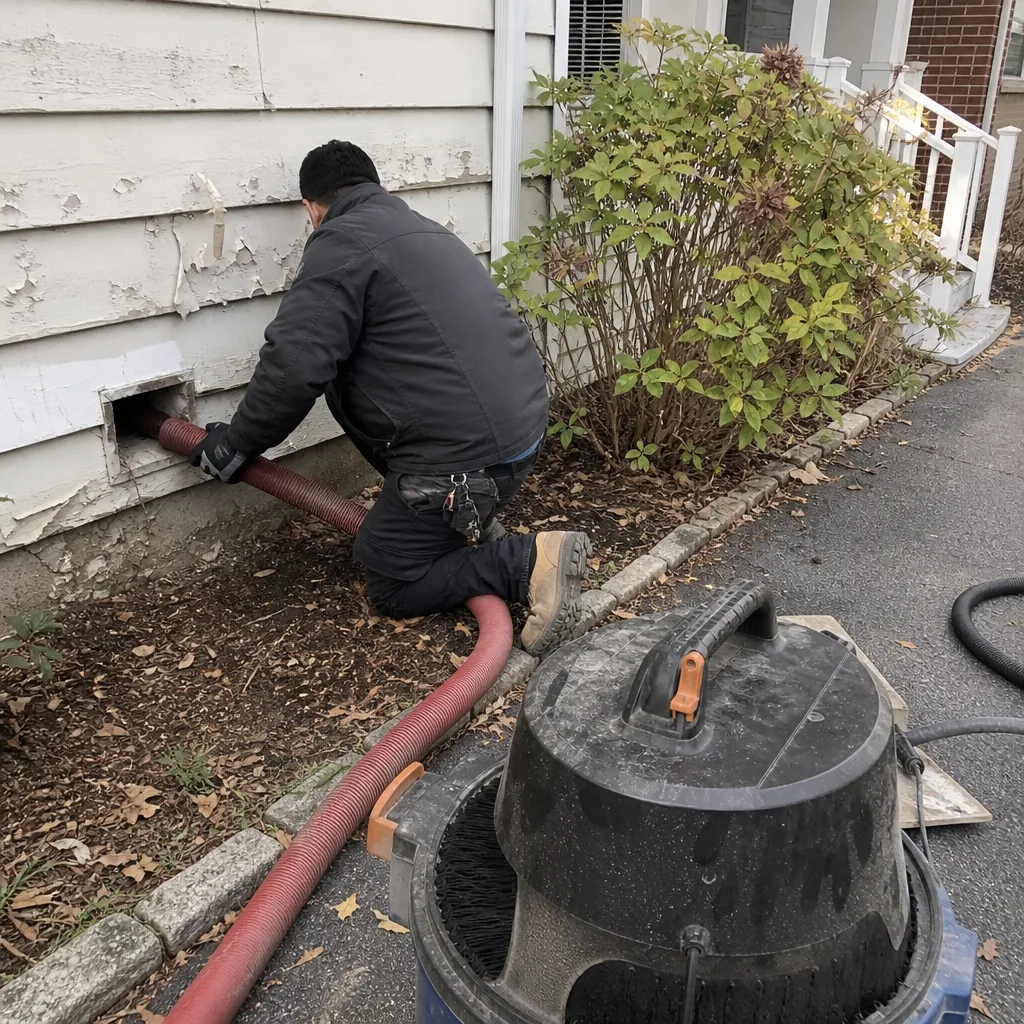 Before
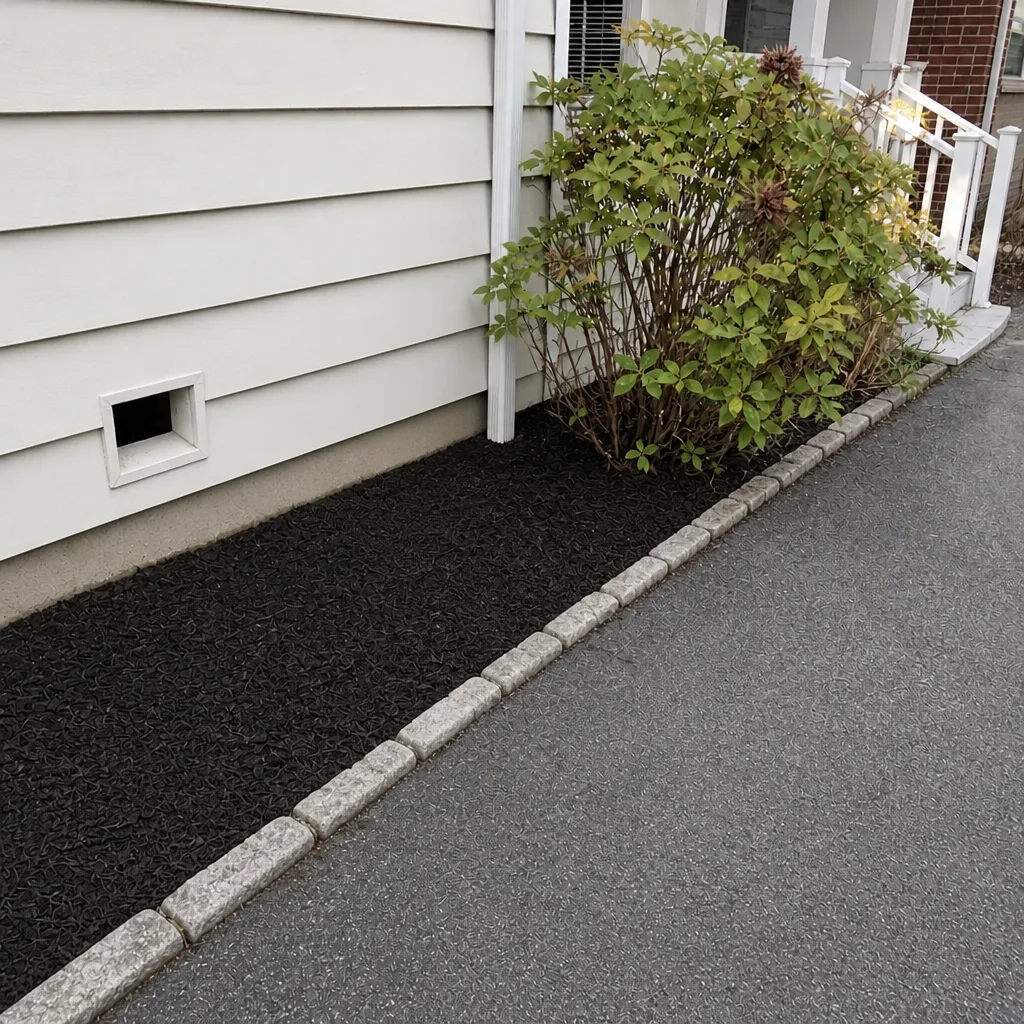 After
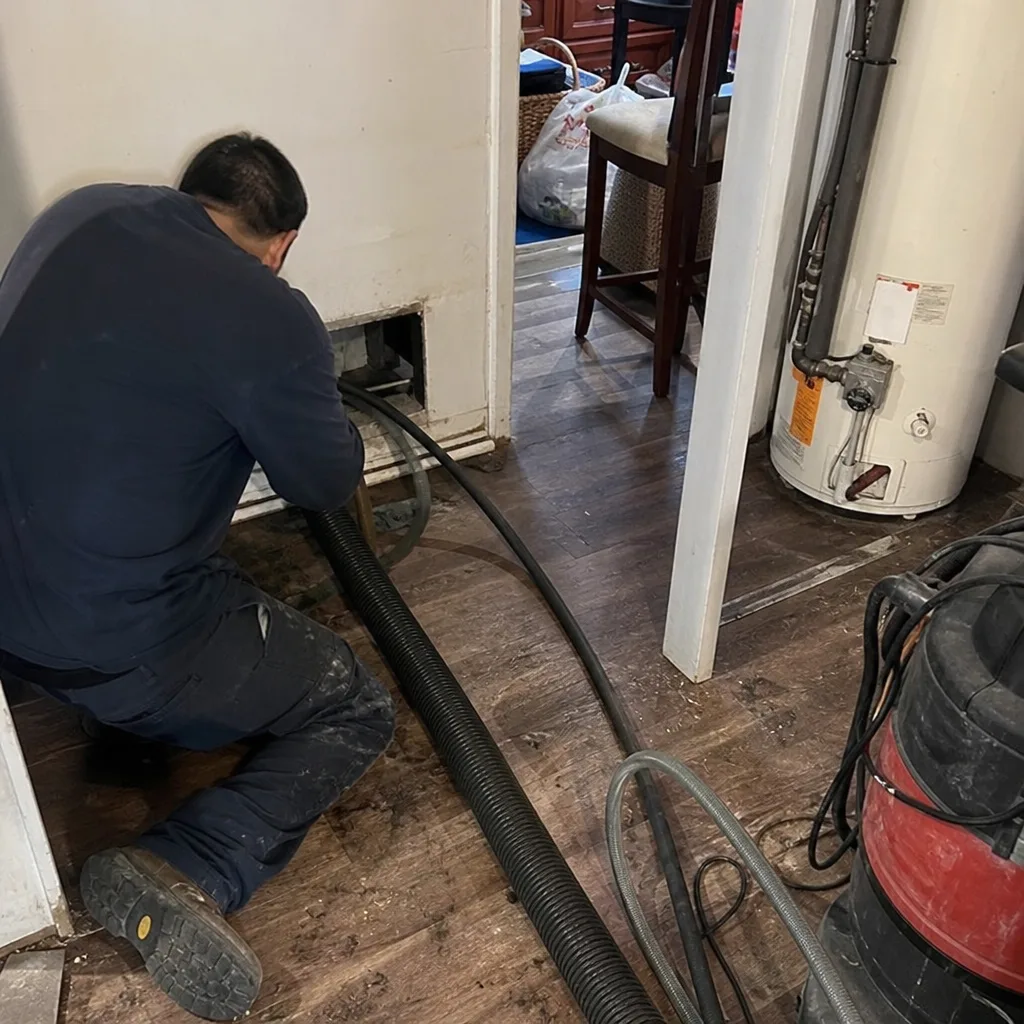 Before
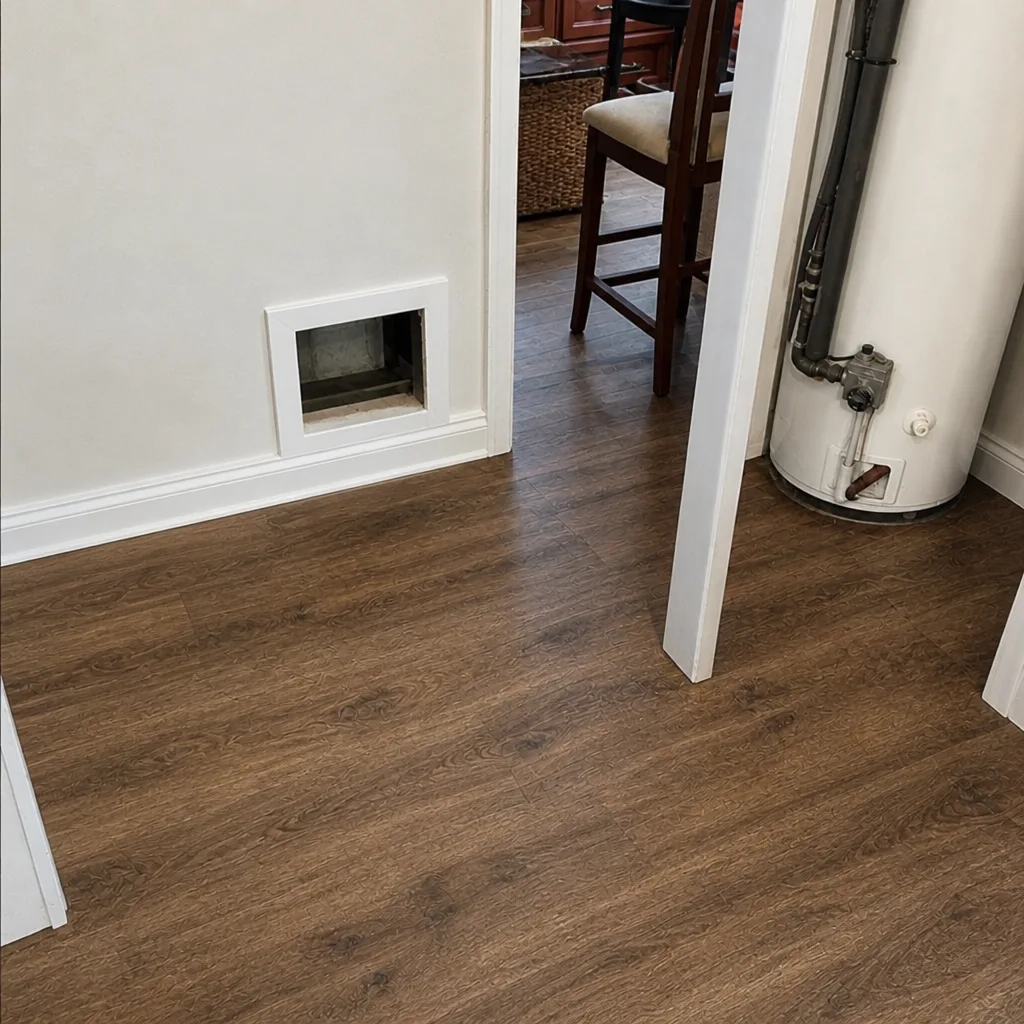 After
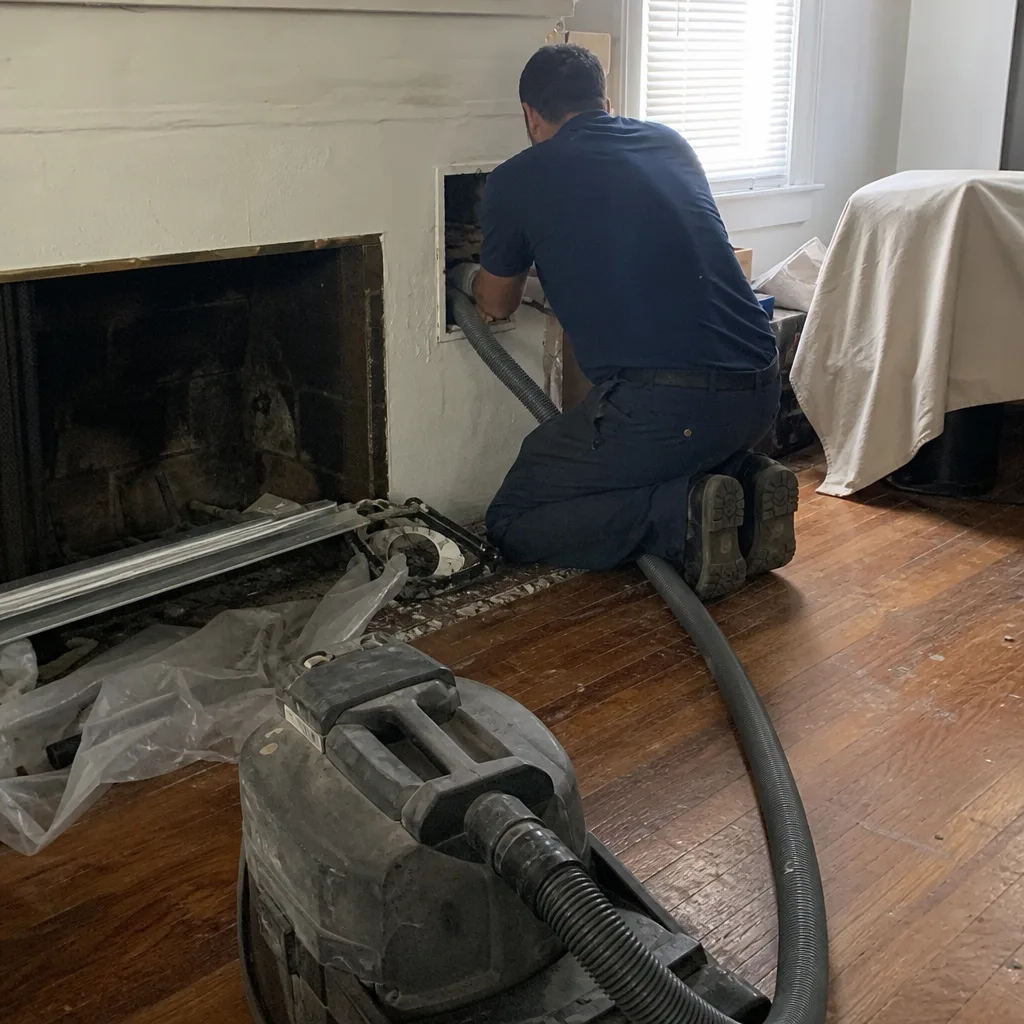 Before
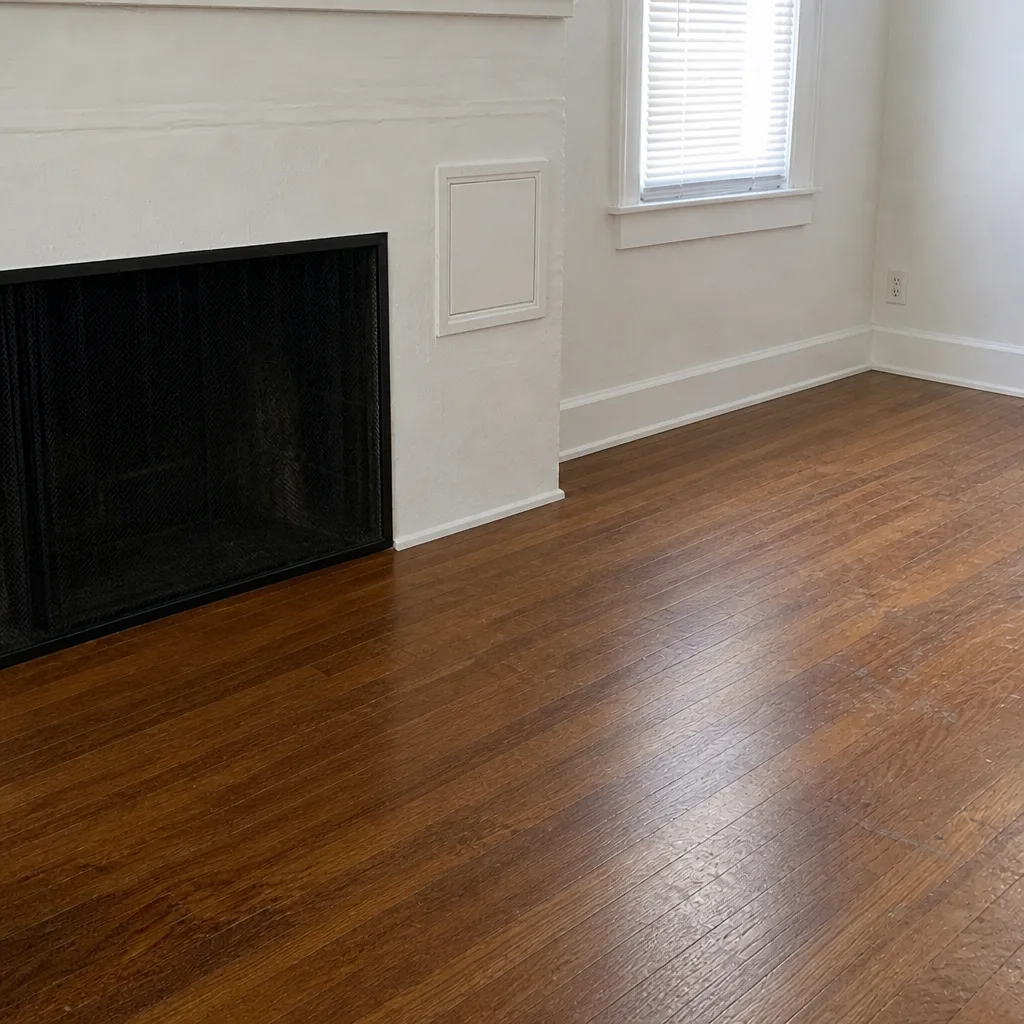 After
When to Call a Professional
Call a professional duct specialist when: water has entered the basement or crawlspace where ducts run, when there’s been any fire or smoke event in the home, when you hear or smell pests in the ducts, when you can see visible moisture or mold at registers, or when dust and airflow problems started after a home event rather than gradually. If you’re a property manager and a tenant reported water intrusion, treat it as a duct inspection, not just a wet-vac job.
Duct Cleaning Elizabeth offers free estimates in Elizabeth – call (833) 946-6248. We answer 24/7. Fast dispatch from 7am to 7pm, Sunday through Friday. Our technicians have up to 11 years of experience, and the written estimate sets the final price before any work starts.
Frequently Asked Questions
Within 24 to 48 hours of the water receding. Biological growth starts within that window, and every additional day makes the remediation scope larger. Shut off the HVAC before anything else, document the damage, then book the inspection. Call (833) 946-6248 for a free estimate – we answer 24/7 with fast dispatch from 7am to 7pm.
It’s often covered when tied to a covered loss like water damage, fire, or a covered pest event – not as routine maintenance. What matters is documentation: date-stamped photos, a written scope from the remediator, and before-and-after photos of your own ducts. We can work with your insurer and provide remediation-format documentation. Call (833) 946-6248 for an exact quote – estimates are free.
Because soot residue inside the ductwork keeps off-gassing until it’s removed. Wiping registers and changing the filter doesn’t address the duct interior. The first call should be for a duct system assessment with professional-grade extraction – not a surface cleaning. Call (833) 946-6248 to schedule an inspection.
If the trigger was water, fire, smoke, or pests, it’s remediation. If nothing happened and dust has simply built up over time, it’s routine cleaning. The processes and equipment are not the same, and pricing differs accordingly. An inspection determines which one you’re dealing with – call (833) 946-6248 for a free estimate.
No. Running the system after water intrusion pushes moisture and contamination through the entire house, including rooms that never got wet. Shut off the thermostat and the breaker, dry the rooms, and leave the ducts to a professional. Call (833) 946-6248 with any questions before you turn the system back on.
Because they’re quoting surface cleaning, not system cleaning. Consumer-grade vacuums don’t contain fine soot or biological debris, and per-vent pricing leaves most of the system untouched. One flat price per system, agreed before work starts, with before-and-after photos of your own ducts, is what a real remediation looks like. Call (833) 946-6248 for an honest estimate.
The Bottom Line
The duct emergency in Elizabeth isn’t usually the water or the smoke – it’s what happens in the 24 to 48 hours after, when the HVAC spreads contamination through a system that was never shut down. Shut the system off. Document everything with photos. Book a professional inspection fast. Emergency remediation isn’t the same as standard cleaning, and the equipment grade – Rotobrush, Nikro, Abatement Technologies – is what separates one from the other. Prepare now: photograph your ducts, label your breaker, save a contractor’s number. If something has already happened, call (833) 946-6248 for a free estimate. We answer 24/7. Fast dispatch from 7am to 7pm, Sunday through Friday.
Written by the team at Duct Cleaning Elizabeth.