
Last updated November 15, 2026
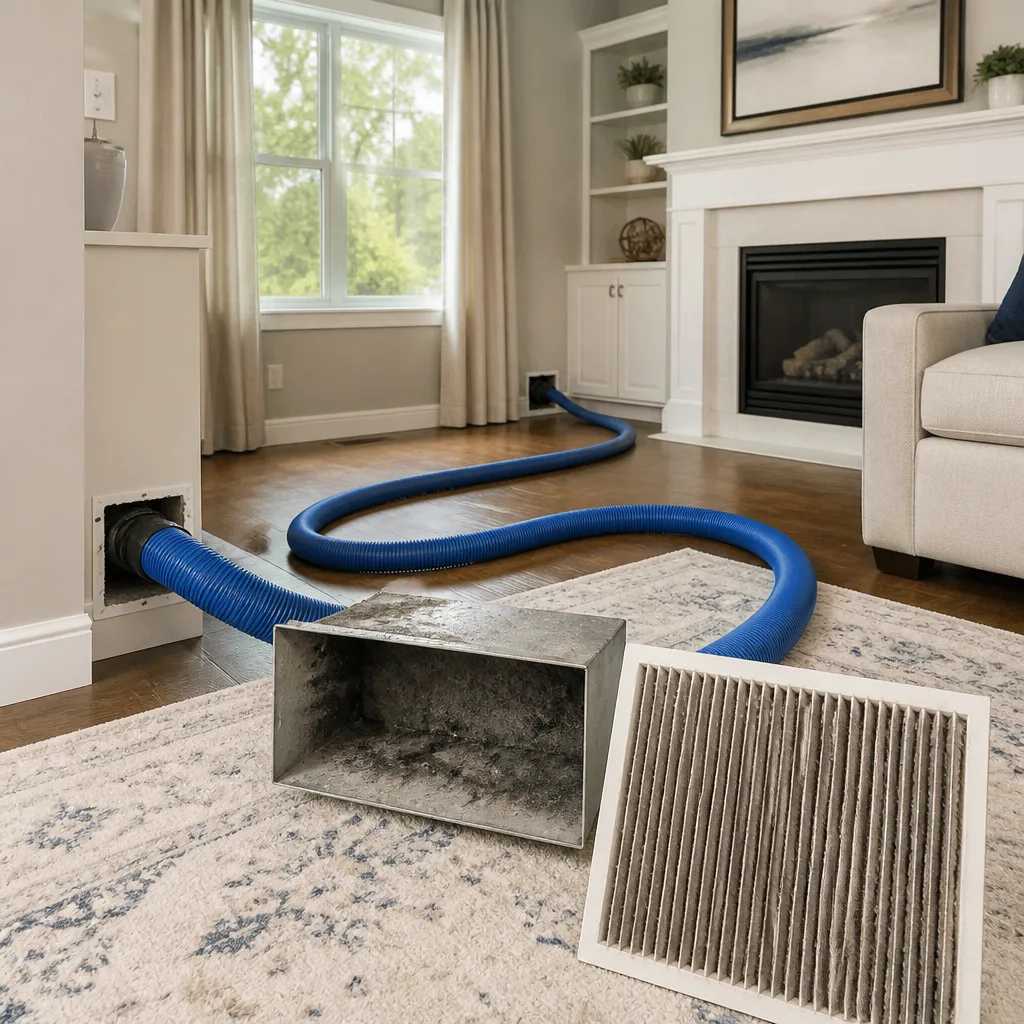 Whole-home duct cleaning
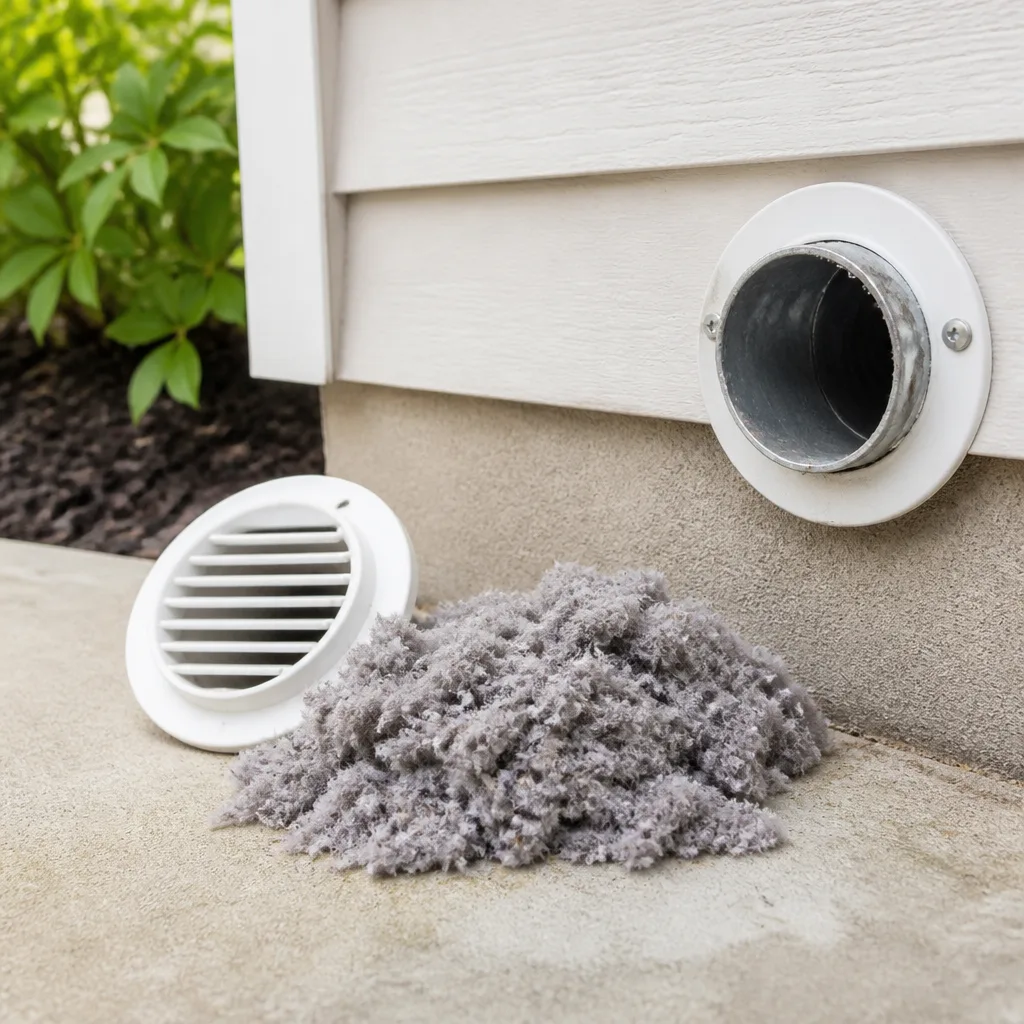 Dryer vent cleaning
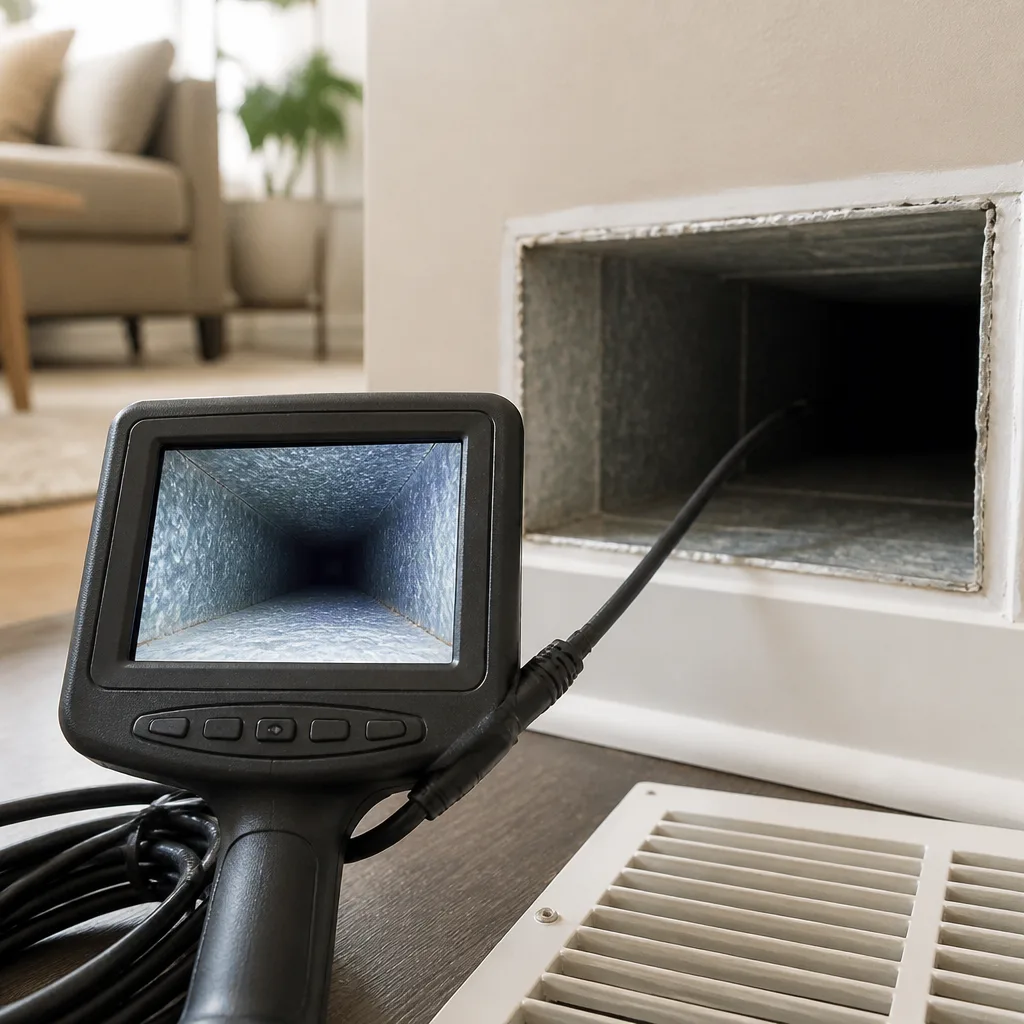 Camera inspection
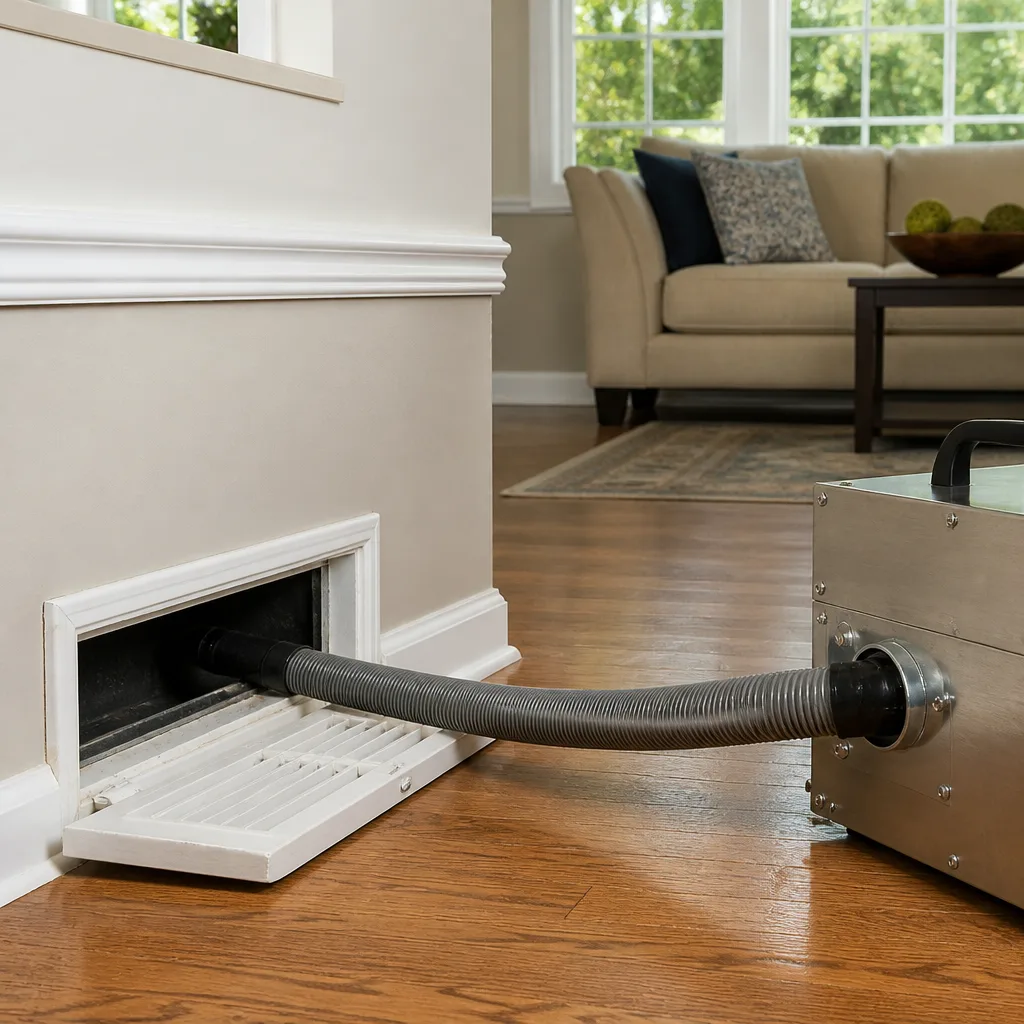 Sanitizing & deodorizing
Whole-system duct and dryer vent check with before-and-after photos - you see exactly what came out of your vents
That "$99 whole-house special" is a bait ad - the real number appears once they are in your hallway, or the "clean" is a shop-vac at the register. We photograph the inside of your ducts before and after instead.
Air Duct Cleaning Permits, Codes & Inspections in Elizabeth, NJ: What You Need to Know
Most homeowners assume cleaning is exempt from permits. It usually is, until a technician cuts an access panel into sheet metal ductwork or reseals a disconnected duct section. At that point, in Elizabeth, you may be in permit territory and not know it. The line between routine cleaning and regulated mechanical work is thinner than most people think, and it shifts the moment a job involves new openings, repairs, or anything that follows water or fire damage. This guide maps that line. You’ll learn what the New Jersey Uniform Construction Code does and doesn’t require for duct work in Elizabeth, who to call to verify before a single tool comes out, and what paperwork a compliant contractor should hand you whether a permit is triggered or not.
Quick Answer
In most cases, routine air duct cleaning in Elizabeth, NJ does not require a permit because it’s maintenance, not construction. The picture changes when the work involves cutting new access panels into ductwork, reconnecting or resealing damaged duct sections, replacing duct components, or repairing ductwork after flood or fire damage. Those jobs may fall under the New Jersey Uniform Construction Code and can require a permit and a licensed contractor. Verify with the Elizabeth construction office before work begins if you’re unsure which side of the line your job is on.
Styles & brands we work with
- Whole-home duct cleaning
- Dryer vent cleaning
- Camera inspection
- Sanitizing & deodorizing
Table of Contents
- Cleaning vs. mechanical work: where the permit line falls
- How the New Jersey Uniform Construction Code treats ductwork
- Elizabeth and Union County enforcement: who to call before work starts
- Post-damage scenarios: flood and fire restoration on ductwork
- Mold remediation, duct cleaning, and where licensing comes in
- What documentation a compliant contractor should produce
- What an inspection actually looks at
- Questions to ask before you book the job
Cleaning vs. mechanical work: where the permit line falls
The distinction that matters is between removing debris from an existing system and altering that system. Cleaning removes what’s inside the ducts. Mechanical work changes the ducts themselves. Most codes treat those two activities very differently, and that’s true in Elizabeth as much as anywhere else in New Jersey.
Here’s how to think about which side of the line a job lands on:
- Routine cleaning: brushing and vacuuming the interior of existing duct runs, cleaning registers and grilles, cleaning the plenum and air handler cabinet exterior. Typically maintenance, no permit.
- Cutting new access panels: opening sheet metal ductwork to reach a section that has no existing access point. This alters the duct system and may require a permit.
- Reconnecting a disconnected duct: resealing or reattaching a run that has pulled apart or failed at a joint. Depending on scope, this can be classified as a repair.
- Replacing duct components: swapping a section of flex duct, replacing a boot, or installing new fittings. Usually a mechanical permit.
- Sealing and insulating ductwork: applying mastic or sealant to existing joints can fall either way depending on the local authority’s interpretation.
A cleaning company that finds a disconnected duct mid-job and simply tapes it back together may be doing unpermitted mechanical work. A duct repair that involves cutting into sheet metal or replacing sections is a different category entirely. This is one reason we’ve built air duct cleaning and duct repair as separate scopes. If your ducts need repair, we don’t stop at the cleaning; we know when the scope crosses into a job that needs verification with the city first.
In our experience, the confusion usually starts at the estimate. Ask directly: does this job involve cutting into the ductwork, replacing components, or reconnecting a separated run? If the answer is yes, ask whether the contractor pulls a permit. A straight answer tells you a lot about how the rest of the job will go.
How the New Jersey Uniform Construction Code treats ductwork
The New Jersey Uniform Construction Code governs construction, renovation, and rehabilitation in the state, and it references nationally recognized model codes for mechanical work. Ductwork belongs to the mechanical subcode. That means the permit question isn’t answered by a single duct-cleaning rule; it’s answered by whether the work counts as mechanical construction under the code.
Practical rule of thumb:
- Identify whether the work creates, alters, or removes any part of the duct system. If yes, the mechanical subcode applies.
- Check whether the alteration is routine maintenance (cleaning, filter changes, register work) or a construction activity (new openings, replacements, reconnections).
- If it’s construction activity, assume a permit may be required and verify with the local construction official.
- If the job is post-damage remediation following flood or fire, assume the whole job is permit-heavy and consult with a licensed contractor before anything starts.
Because the code references model codes and applies them through local enforcement, the ultimate authority on whether a specific job in a specific building needs a permit is the local construction office. We’re a duct cleaning and duct repair company, not a code official, and we say so plainly. What we can tell you from running jobs in Elizabeth is where homeowners get tripped up: the assessment of whether work is “repair” or “renovation” depends on scope, and it changes house to house.
Older homes in neighborhoods like Midtown and Elizabethport often have original sheet metal ductwork with few access points. Adding access to properly clean that system is sometimes the only way to do the job right, and that’s exactly the situation where you should be asking about permits before the day of the job. Newer construction, especially around the Elmora and Westminster areas, tends to have better access built in, which keeps more jobs on the maintenance side of the line.
Elizabeth and Union County enforcement: who to call before work starts
New Jersey enforces its construction code through local construction offices, and Elizabeth is no exception. Before any duct job that might involve cutting, replacing, or reconnecting, verify with the city directly rather than relying on what a contractor tells you over the phone. That single call takes a few minutes and settles the question.
Here’s the sequence we suggest:
- Call the Elizabeth construction office and describe the proposed work in plain terms. “We need to cut a new access panel into the main trunk to clean a poorly accessed section” is a better description than “we’re doing some duct work.” Specificity gets you a clear answer.
- Ask whether a mechanical permit applies to the scope you described, and note the name of the person you spoke with.
- Ask what inspections follow the work if a permit is issued. Get the inspection sequence in writing if you can.
- Confirm contractor licensing requirements for the specific work. Mechanical work in New Jersey generally requires a licensed contractor.
- Put the answer in the file. Whether you’re a homeowner or a property manager, keeping a written record of the construction office’s guidance protects you later.
Union County properties, particularly multi-unit buildings and rental properties in Elizabeth, sometimes trigger additional layers of review. Property managers should treat permit verification as a routine step in the booking process, not an exception. If you manage several buildings, a single call to the construction office about a standard scope can inform how you handle similar jobs across the portfolio.
For homeowners, the real value of verifying first is avoiding problems at resale. Unpermitted construction work, even small mechanical alterations, can surface during a buyer’s inspection and turn into a headache years after the job. The cost of a phone call before the work begins is nothing compared to that.
Post-damage scenarios: flood and fire restoration on ductwork
If your ductwork has been affected by flood water or fire, the permit picture changes completely. Restoration work on ductwork is almost always permit-heavy, requires licensed contractors, and falls well outside the “cleaning” category. This is the scenario where homeowners most often underestimate what’s involved.
What usually triggers permits and licensing in a post-damage duct scenario:
- Flood water entering the duct system through a basement or first-floor air handler, leaving contamination and moisture behind
- Fire or smoke damage affecting duct interiors, requiring not just cleaning but potential replacement of sections
- Soot and residue deposits that can’t be removed by standard cleaning equipment
- Structural damage to duct hangers, supports, or connections that requires mechanical repair
- Any work that touches the HVAC equipment itself rather than just the ducts
When water has been inside the ducts, the correct sequence isn’t “clean and be done.” It’s: assess damage, verify permit requirements, address contamination, repair or replace affected sections, then re-clean the system once repairs are complete. Skipping any step means the problem comes back, and it means the job doesn’t hold up if there’s ever an insurance question.
Fire restoration is similar. Duct interiors hold smoke residue that standard brushing and vacuuming won’t fully address. Depending on the depth of contamination, sections may need to be replaced. That’s mechanical work and typically requires a permit and a licensed contractor. If you’re working through an insurance claim, ask whether the scope of work on the estimate accounts for the permit and inspection costs.
What we do in these scenarios is assess what’s within our scope and say clearly when a job requires a licensed mechanical contractor or a remediation specialist beyond duct cleaning. Our dryer vent cleaning work sometimes intersects with post-damage assessment too, since lint and contamination behave similarly after water events. We’d rather tell you the truth about scope than take on work that needs a different license.
Mold remediation, duct cleaning, and where licensing comes in
Mold in ductwork sits at an awkward intersection of two trades. Duct cleaning removes debris and contamination from the interior of ducts. Mold remediation is a separate discipline with its own licensing and standards in New Jersey. The two overlap when a cleaning job reveals visible mold growth, and that’s when the honest answer is: this is no longer just a cleaning job.
The practical guidance:
- Mold visible inside ductwork usually means there’s a moisture source upstream. Cleaning without addressing moisture simply removes what regrows.
- Porous materials that have grown mold, such as flex duct liner or duct board, generally can’t be cleaned back to a sound condition and are often removed and replaced instead. That’s mechanical work and typically requires a permit.
- Mold remediation as a distinct service requires licensure in New Jersey. A duct cleaner isn’t a mold remediator, and vice versa.
- Hidden moisture sources, from a slow leak, high indoor humidity, or a poorly sealed system, need to be addressed by the right trade before any mold work begins.
What a duct cleaning company can legitimately do when mold is suspected: inspect the system, document what’s found with before-and-after photos, identify the moisture source if it’s visible, and refer the remediation work to a licensed mold remediation contractor. What a duct cleaning company shouldn’t do: claim to remediate mold, promise the mold won’t come back, or treat mold like it’s just advanced dust.
Aprilaire and Honeywell whole-home air quality systems can play a role here. Proper humidity control is part of the answer to any mold situation in a duct system, and having compatible equipment matters. We’re authorized to work with both systems, which means we understand the air quality ecosystem around the ducts rather than just the ducts in isolation. That understanding helps you ask the right questions of whoever ends up handling the remediation portion.
If you’re in Elizabeth and a contractor has told you “that black stuff is just dust,” get a second opinion before you schedule anything. It might be dust. It might be more. Only a proper inspection tells you which.
What documentation a compliant contractor should produce
Regardless of whether a permit is triggered, a compliant duct cleaning contractor should leave you with a documented record of the work. That documentation is your protection if questions arise later, whether from an insurance adjuster, an inspector, or a buyer during a sale. It’s also the clearest way to tell a professional job from a coupon job.
What to expect, in writing:
- Scope of work. A written description of exactly what was cleaned or repaired, including which duct runs, whether access panels were cut, and what equipment was used. Vague scope statements like “cleaned ducts” are a warning sign.
- Before-and-after photographs of the actual system being cleaned, not stock images. Photos of the interior of your ducts before and after are the single best verification that the work was actually done.
- Equipment log. A professional job references professional equipment. We use Rotobrush rotary brush systems for mechanical agitation and extraction, and Nikro HEPA-rated vacuum equipment for debris capture. Those details should appear in the documentation.
- Findings. Any damage, disconnections, mold-like growth, or contamination observed during the job, with photos and a clear recommendation about what needs follow-up.
- Permit and inspection records, if a permit was required. Copies of the permit application and inspection sign-offs belong in your file.
- Photographs of the air handler and any accessory systems, especially if Aprilaire or Honeywell equipment was involved and inspected.
One detail worth insisting on: before-and-after photos of your ducts. Not a gallery of impressive-looking pictures from other jobs. Photographs tagged to your address or your job number. If a contractor can’t produce their own photos of your system, you don’t have proof the work was done inside your house.
The written estimate matters just as much. Get the scope of work and the total price for the whole system agreed before any work starts, with the written estimate setting the final number. That’s how a flat price per system works. It’s also how you avoid ending up with a much larger invoice than the number you saw on a coupon.
What an inspection actually looks at
A duct inspection sounds like a black box to most homeowners. It isn’t. An inspection looks at a defined set of things, and knowing what they are lets you assess whether the inspection you’re paying for is worth the money.
What a proper inspection covers:
- Accessibility and condition of the duct runs. Which runs can be reached with existing access, and which would require cutting new panels.
- Internal surfaces. Visual assessment of duct interiors via camera or through existing access points.
- Joints and connections. Whether duct sections are properly connected, sealed, and supported.
- Air handler and plenum. Condition of the equipment cabinet, the coil area, and the plenum transition.
- Contamination signs. Evidence of moisture, mold-like growth, pest activity, or significant debris accumulation.
- System balance and airflow. Whether the system is delivering air where it’s supposed to, using what the home’s HVAC configuration allows.
If a permit was issued for the work, a local inspector will typically review the mechanical elements, including access panels, connections, and system integrity, before signing off. That’s a protection for you as the homeowner: an independent set of eyes on the work before the contractor leaves.
The inspection process is also why we track our findings carefully. When a technician using Nikro and Rotobrush equipment finds a problem, the documentation matters. Our technicians have up to 11 years of experience, and the process of documenting what they see is as important as the cleaning itself. Elizabeth homes built in different eras present very different inspection pictures; a system in a mid-century home in Bayway has different access needs than a newer build in Elmora.
Questions to ask before you book the job
The questions below are the ones that separate a well-run job from a coupon disaster. Ask them before work is scheduled, not after it’s done.
- Does this job involve cutting new access panels or altering the duct system? If yes, ask about permits and who pulls them.
- Are you licensed for any mechanical repair work that becomes necessary? If not, will you stop and refer the work?
- Will I receive before-and-after photos of my own system? Get a yes on this in writing.
- What equipment will be used? Professional systems have names: Rotobrush, Nikro, Abatement Technologies. Shop vacs and hoses don’t get you a clean system.
- Will the price be flat per system or per vent? Flat per system, agreed before work starts, protects you from the per-vent invoice creep.
- What happens if the inspection reveals mold or damage? A compliant contractor has a referral path for work outside their scope.
- Do you work with Aprilaire or Honeywell systems in my home? If you have a whole-home air quality system, compat matters.
- What does the written estimate cover, and what doesn’t it cover? Make sure you understand the line between routine cleaning and everything else.
Ask about documentation in the same conversation. If a contractor can’t describe what their paperwork looks like before the job, they probably don’t produce much of it after.
Common Mistakes to Avoid
- Assuming all duct work is permit-free because cleaning usually is. Cutting a new access panel or resealing a disconnected duct can cross into mechanical work. Treat “cleaning” and “duct work” as different questions and verify each one.
- Letting a contractor start work without knowing the permit picture. In Elizabeth, a quick call to the construction office before the job is scheduled settles whether a permit applies. Get that answer in writing.
- Treating a post-flood or post-fire duct job like a regular cleaning. Restoration work on ductwork almost always requires permits and a licensed mechanical contractor. Cleaning alone won’t hold up after water damage.
- Booking a coupon-price job and expecting a whole-system clean. Coupons anchor a low number that ends up on the invoice in a very different place. Get a flat price per system in a written estimate before work starts.
- Accepting “we cleaned it” without before-and-after photos. Ask for photos of your actual ducts, not a gallery from other jobs. Photos of your system are the only proof you’ll get that the work was done.
- Confusing duct cleaning with mold remediation. They’re different services with different licensing requirements. A duct cleaner who claims to remediate mold is advertising outside their scope.
- Overlooking the dryer vent. Lint buildup is a real fire hazard, and dryer vent cleaning is a standalone service for a reason. It’s not an upsell; it’s the reason dedicated services exist.
See the difference
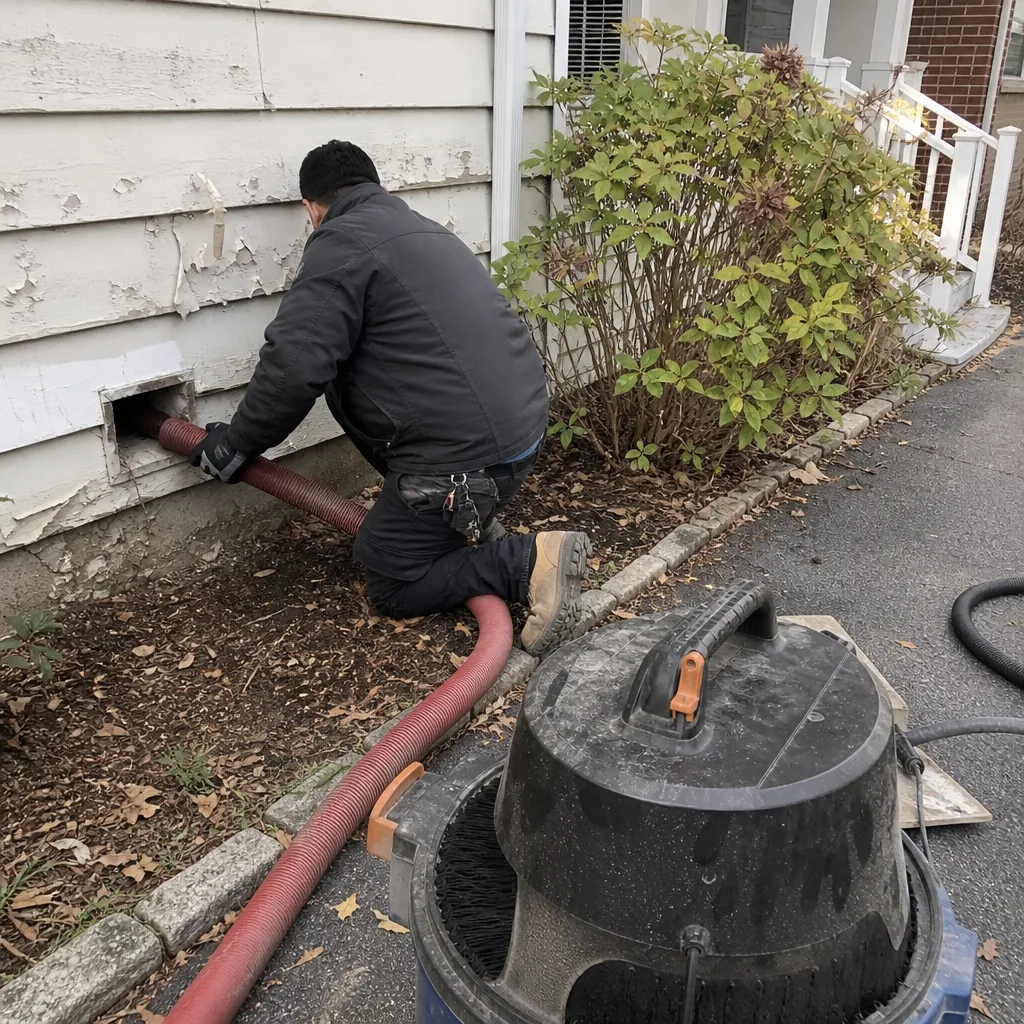 Before
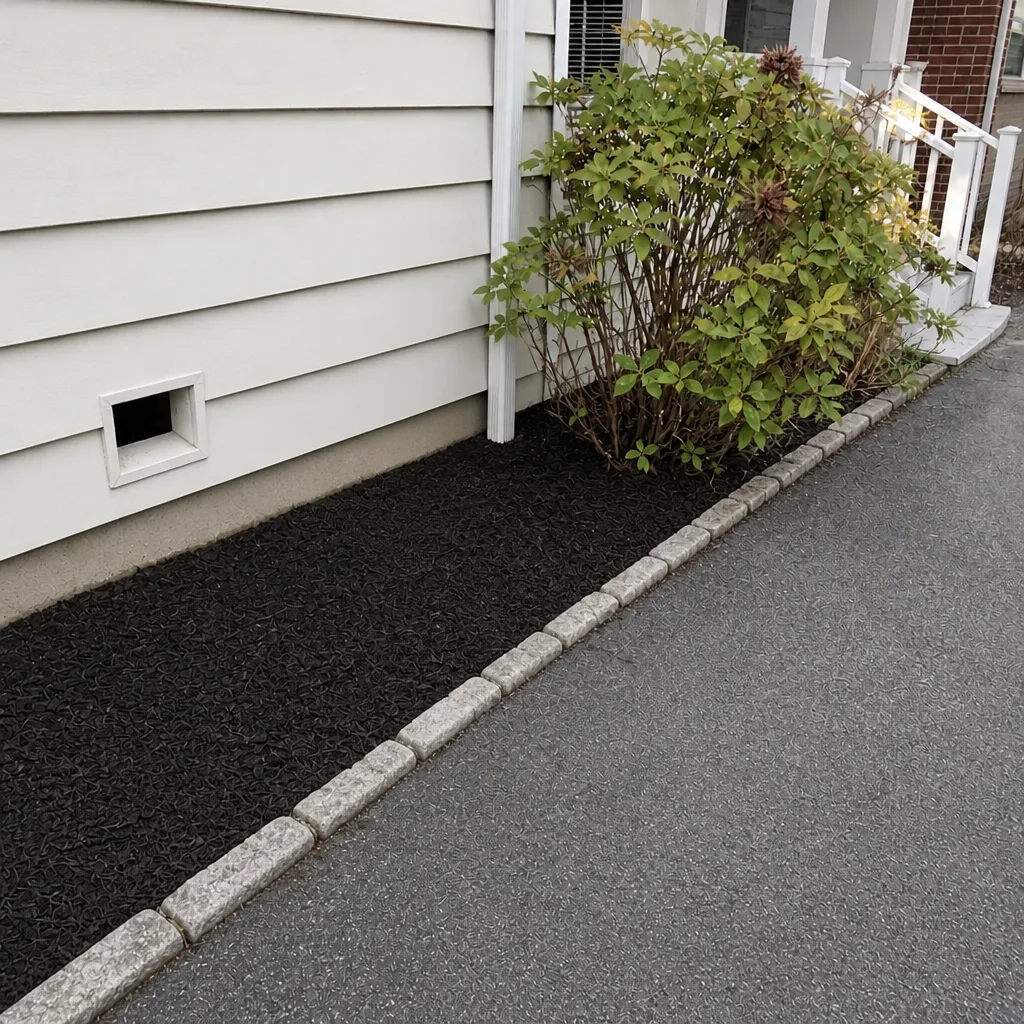 After
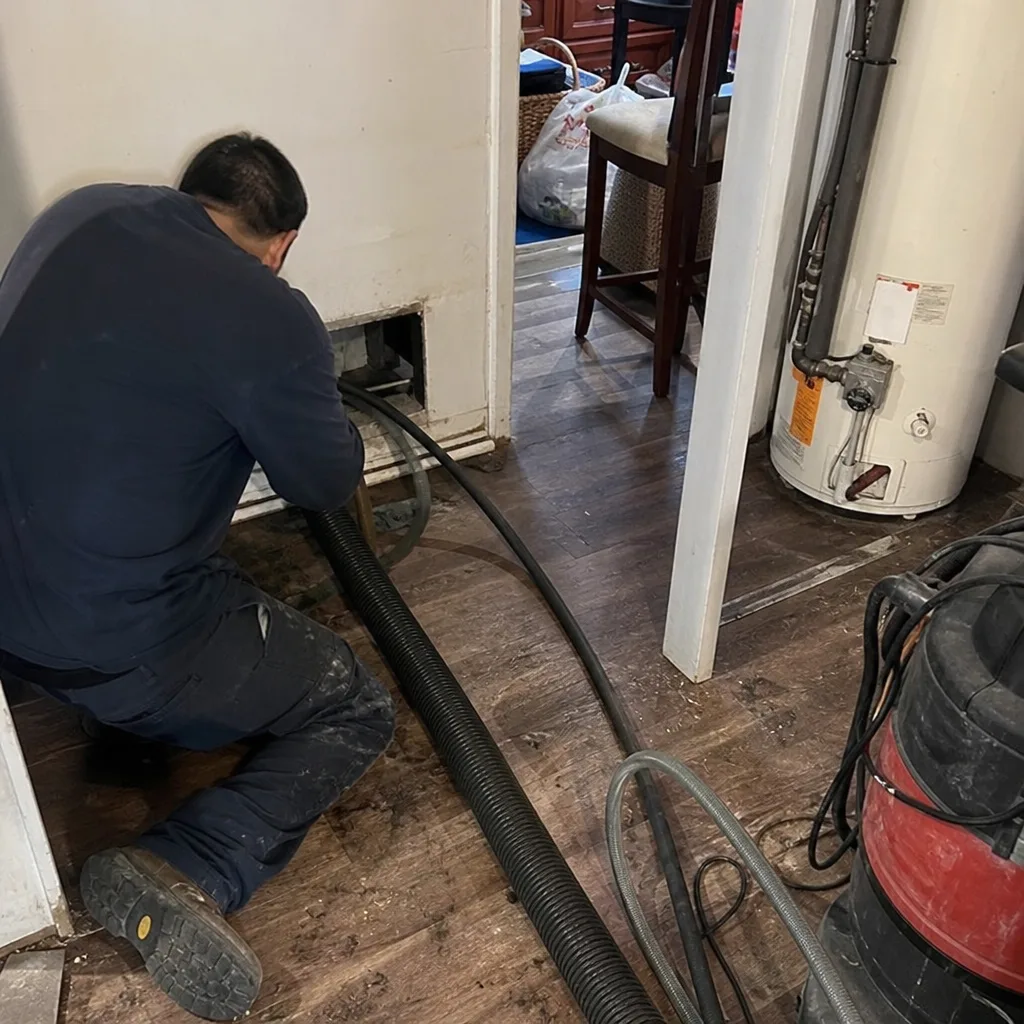 Before
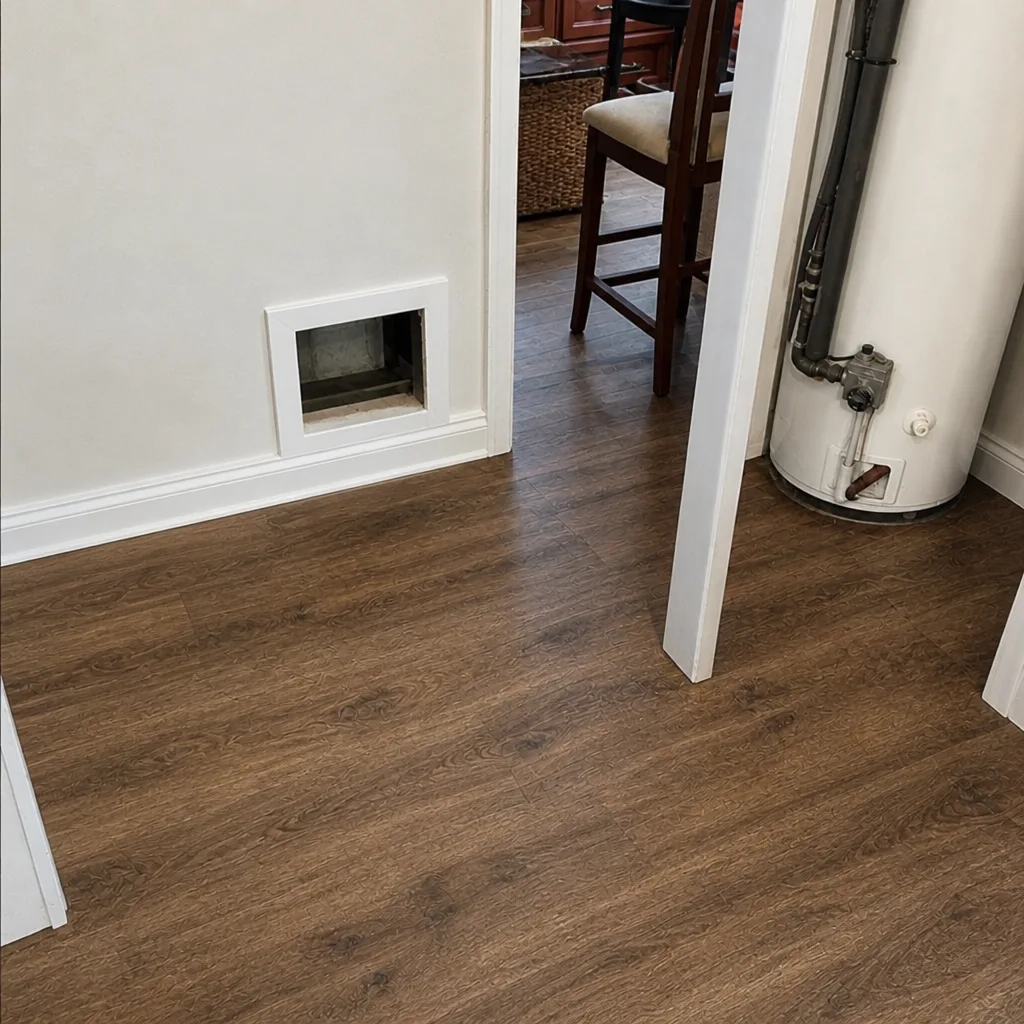 After
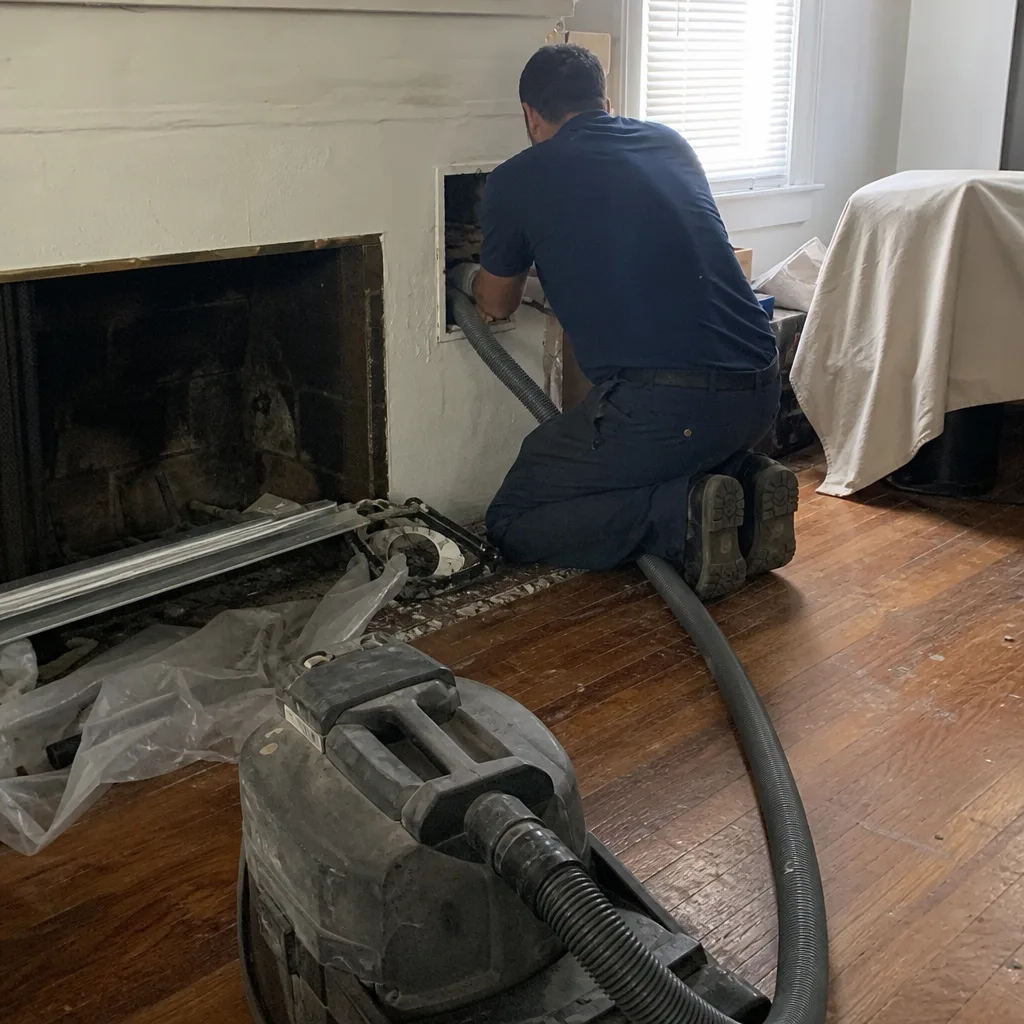 Before
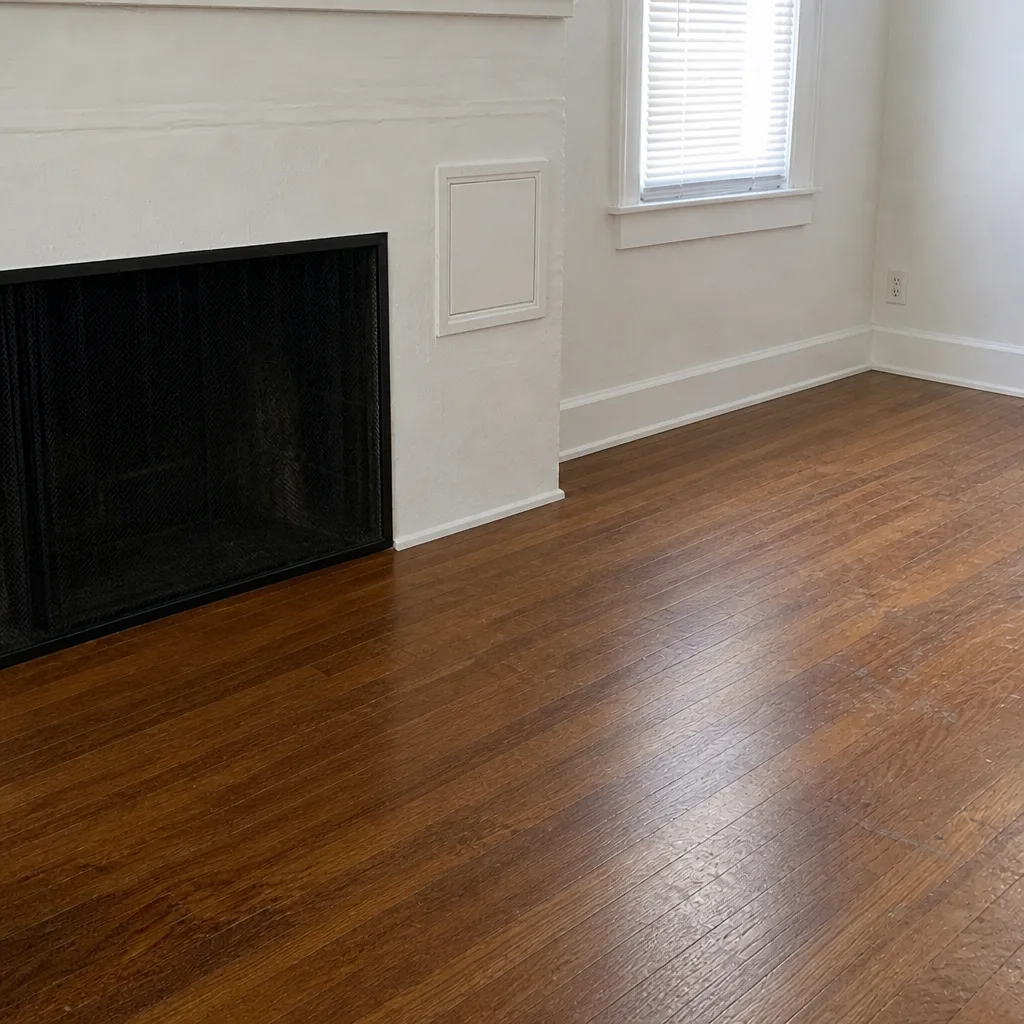 After
When to Call a Professional
Most homeowners call us for one of a handful of reasons: visible dust buildup returning quickly after cleaning, musty odors every time the heat or AC runs, allergy symptoms that seem worse indoors, airflow that’s dropped noticeably across rooms, or the dryer taking longer and longer to dry a load. Each of these points to something worth inspecting before the problem gets worse. Some of it is a cleaning issue. Some of it is a repair that needs to be scheduled as such. Our job is to tell you which, with before-and-after photos to back it up.
A real professional assessment is quick and informative. Duct Cleaning Elizabeth offers free estimates in Elizabeth. Call (833) 946-6248. We answer 24/7, and fast dispatch runs 7am-7pm, Sunday through Friday, closed Saturday. When we look at a job, we’ll tell you whether it’s routine cleaning, whether it may need a permit, and what the written estimate covers. That honest upfront answer is a better outcome than an ambiguous coupon either way.
Frequently Asked Questions
Routine air duct cleaning generally doesn’t require a permit in Elizabeth, NJ because it’s considered maintenance rather than construction. Permits typically become relevant when the work involves cutting new access panels into ductwork, reconnecting or resealing separated duct sections, replacing duct components, or repairing ducts after flood or fire damage. If your job involves any of those, verify with the Elizabeth construction office before work begins.
The New Jersey Uniform Construction Code governs construction, renovation, and mechanical work across the state, and it references recognized model codes for mechanical installations. Ductwork falls under the mechanical subcode. Whether a permit applies depends on how the work is classified (maintenance vs. mechanical construction), and the local construction office is the authority on that classification. Ask them directly, describe the work specifically, and get the answer before booking.
Call the Elizabeth construction office. New Jersey enforces its construction code through local construction offices, and that’s the office that will tell you whether a mechanical permit applies to your specific scope of work. Describe the proposed work in plain terms, including whether it involves cutting into ducts, replacing components, or reconnecting separated runs. Note who you spoke with and keep the answer in your records.
Yes. Post-damage duct work is almost always permit-heavy and requires licensed contractors. When flood water or fire affects your duct system, the job stops being a cleaning and becomes a restoration involving assessment, permit verification, contamination handling, repair or replacement of affected sections, and re-cleaning once repairs are complete. Stopping at the cleaning step means the problem comes back. Call (833) 946-6248 for an assessment; estimates are free.
A compliant contractor should give you a written scope of work, before-and-after photos of your actual system, an equipment log naming the professional equipment used, findings from the inspection with recommendations for follow-up, and copies of any permit and inspection records if a permit was issued. If they can’t produce photos of your own ducts, you don’t have verification the work was done. Insist on the documentation before you schedule.
Before-and-after photographs of your ducts, taken from inside the system, are the clearest proof. Ask to see the “after” photos before the technician leaves, and confirm they’re from your address, not a stock gallery. A written scope of work describing exactly which runs were cleaned and what access was used adds another layer. If a contractor can’t show you their own photos of your own system, you don’t have proof.
Cheap quotes usually anchor on a very low teaser price and rely on invoice creep once the technician is on site. The low number doesn’t cover a whole-system clean with professional equipment; it covers a surface pass or a per-vent charge that balloons quickly. Ask for a flat price per system in a written estimate before work starts. That’s the model that doesn’t surprise you. Call (833) 946-6248 for an exact quote; estimates are free.
There’s no universal schedule. Homes with pets, recent renovations, visible dust returning quickly, or allergy symptoms indoors generally benefit from more frequent cleaning. Homes with no particular symptoms and well-sealed systems may not need it on any fixed timetable. The right approach is to have the system looked at, decide whether a cleaning is warranted, and let the findings drive the answer instead of a hardcoded rule. If your system has never been inspected, that’s the first step worth taking.
The Bottom Line
Routine duct cleaning in Elizabeth is usually permit-free. Real duct work, meaning new access panels, replacement components, reconnected runs, or anything following flood or fire damage, is a different matter that often involves permits and licensed mechanical contractors. The line isn’t always obvious, and the safe move is verifying with the Elizabeth construction office before work starts. Whatever the permit status, insist on documentation: written scope, before-and-after photos of your system, and an equipment log that names the professional gear used. Cheap quotes tend to skip all of that. For clean, documented, equipment-serious work, call Duct Cleaning Elizabeth. Explore duct cleaning Elizabeth and our Elizabeth service coverage, or call (833) 946-6248 for a free estimate. We answer 24/7, fast dispatch 7am-7pm Sunday through Friday, closed Saturday.
Written by the team at Duct Cleaning Elizabeth.