
Last updated November 15, 2026
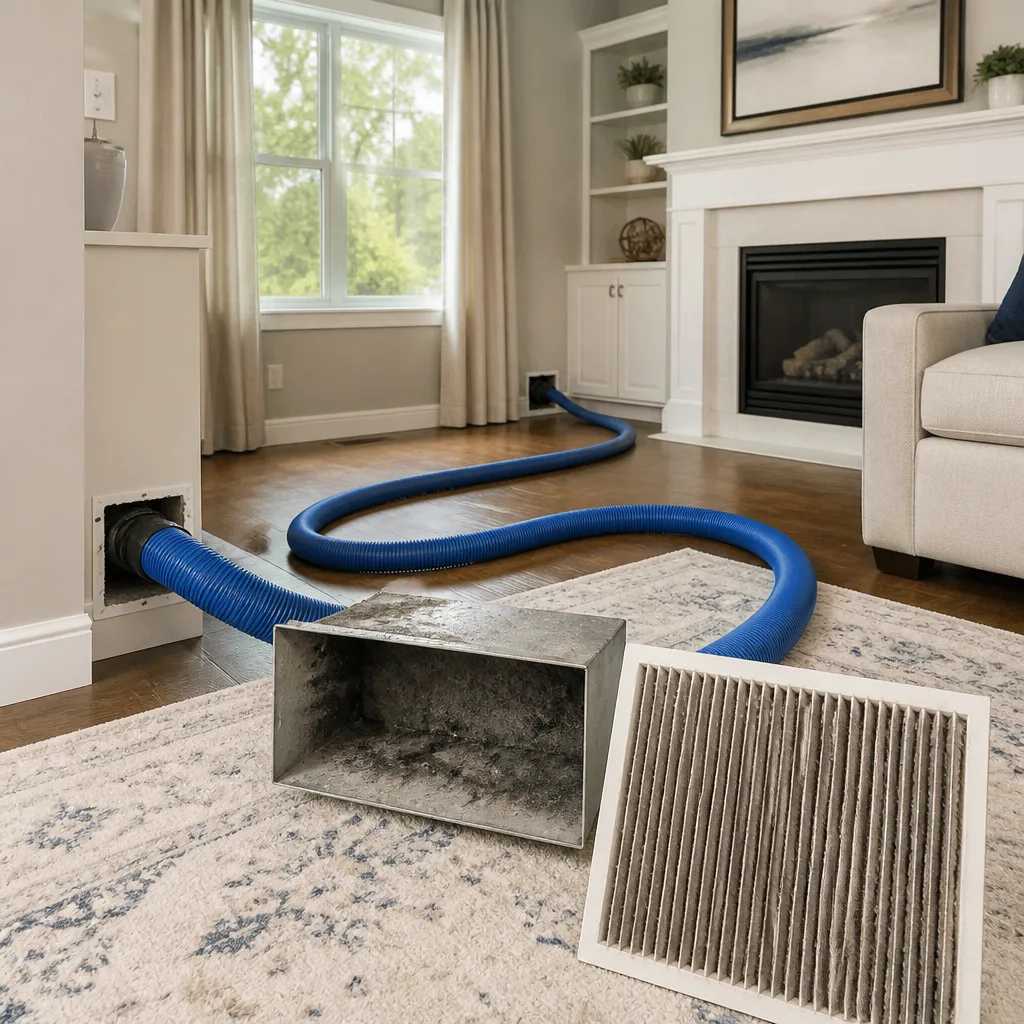 Whole-home duct cleaning
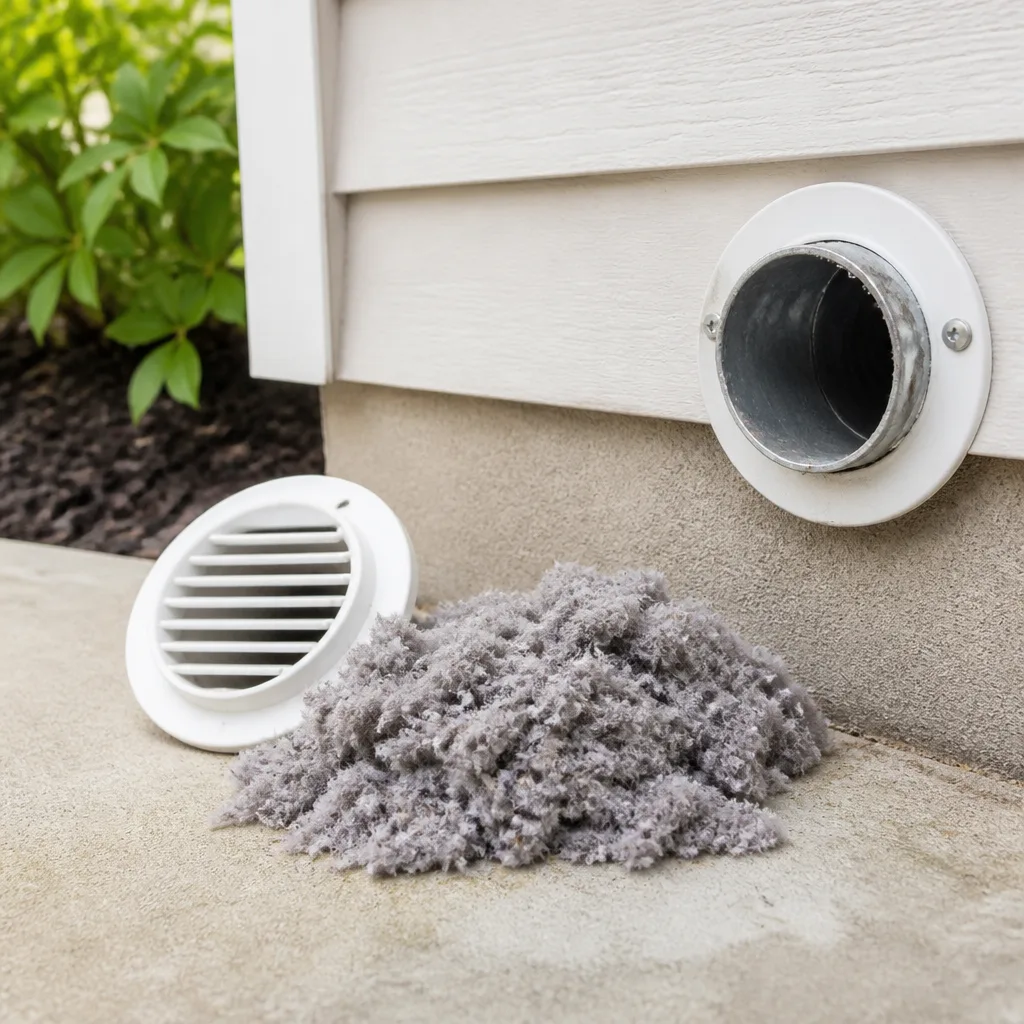 Dryer vent cleaning
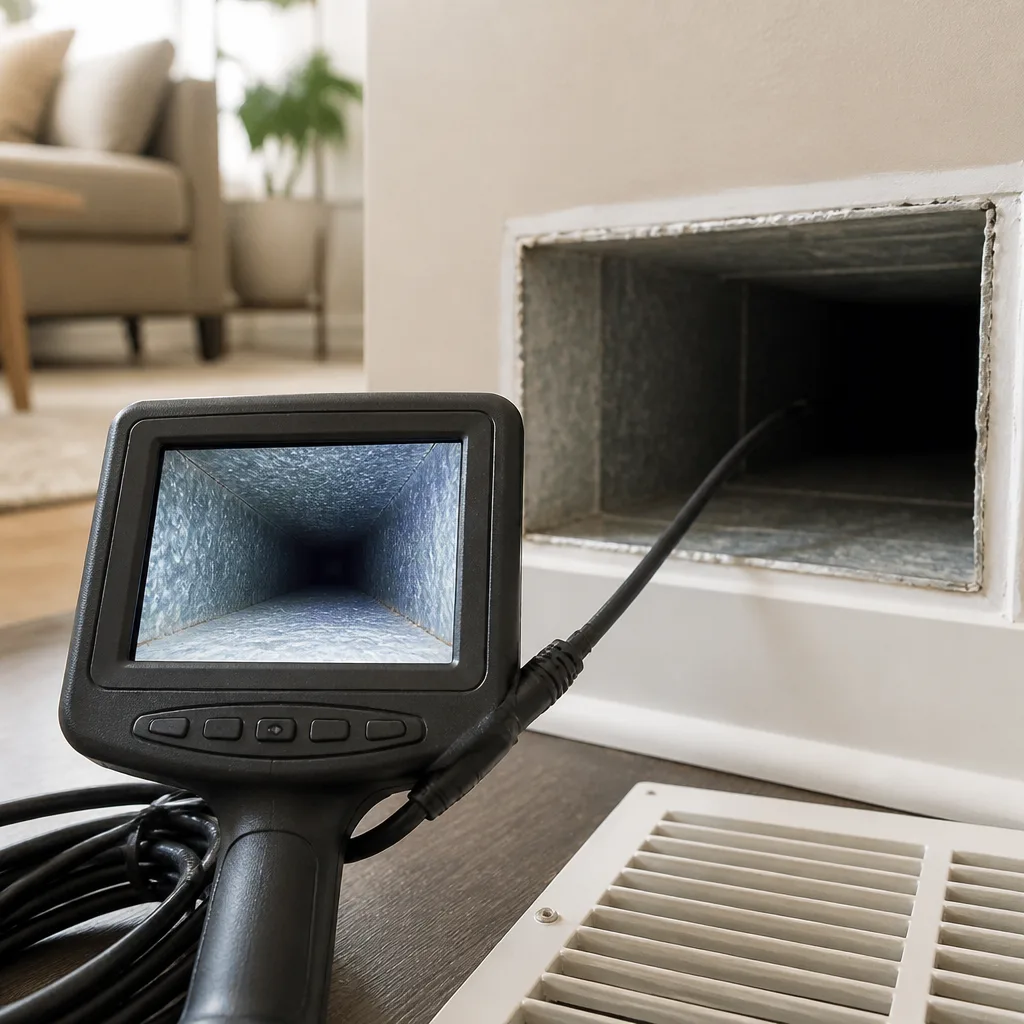 Camera inspection
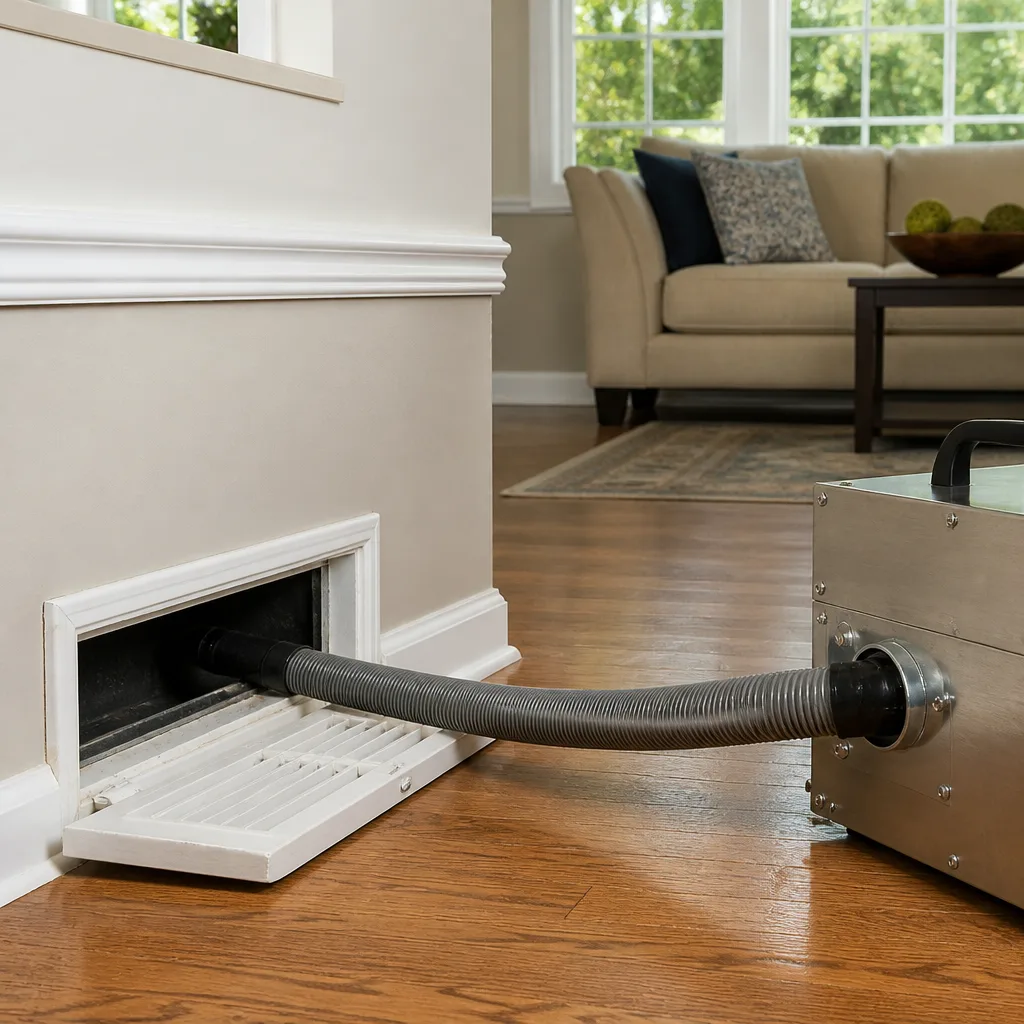 Sanitizing & deodorizing
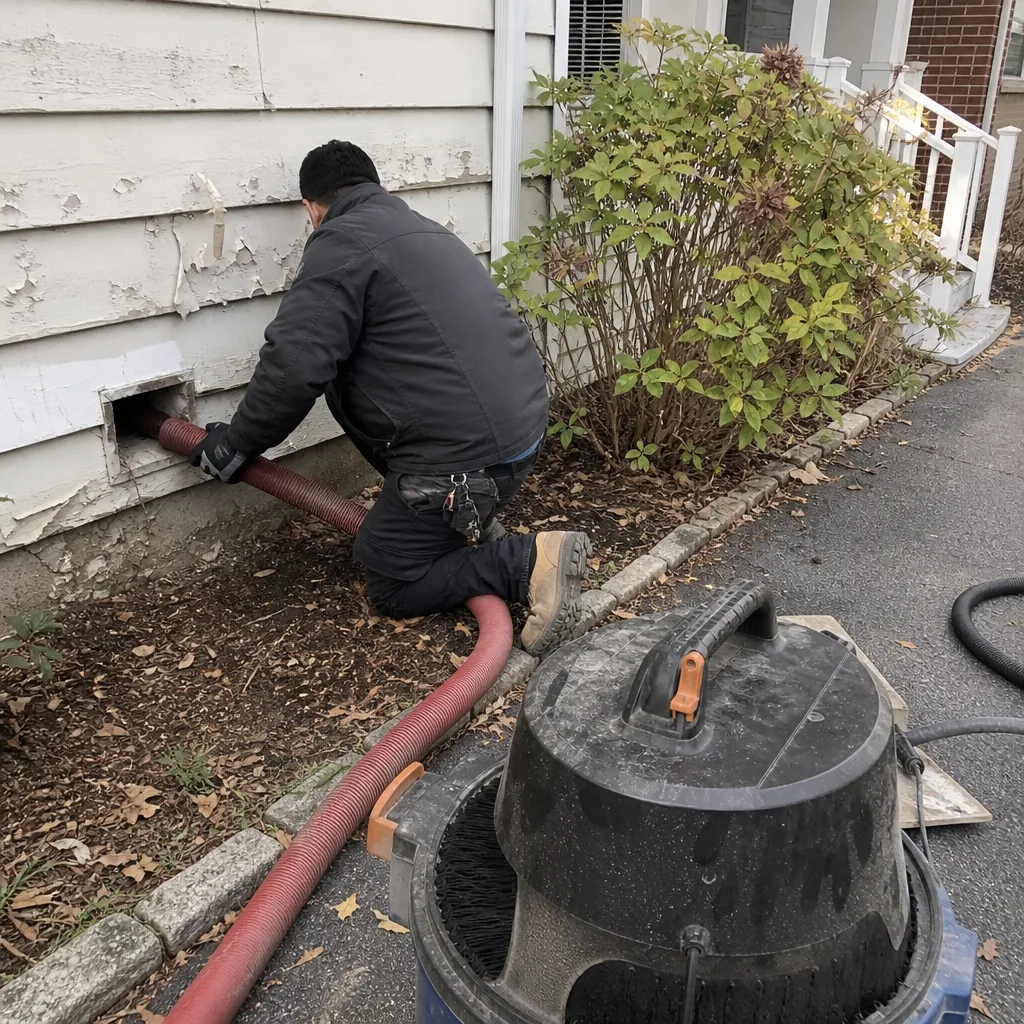
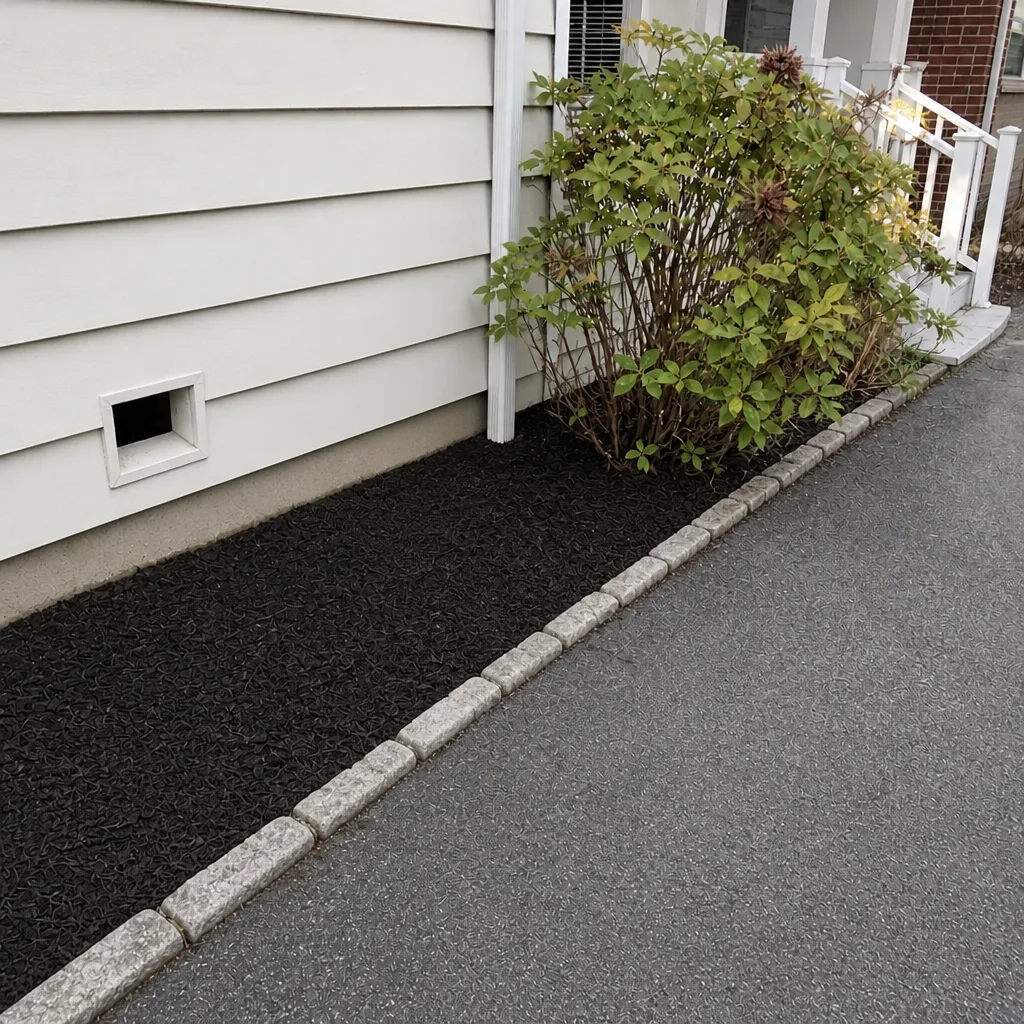
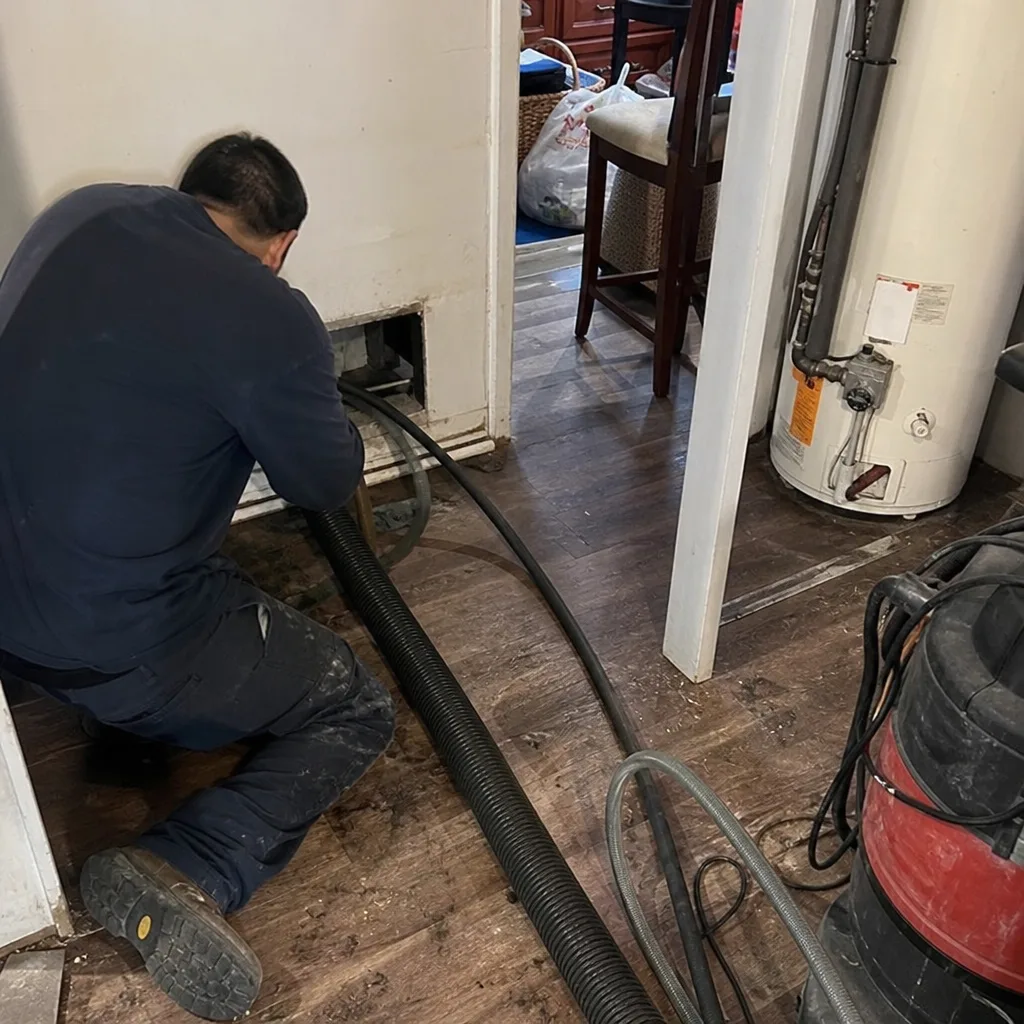
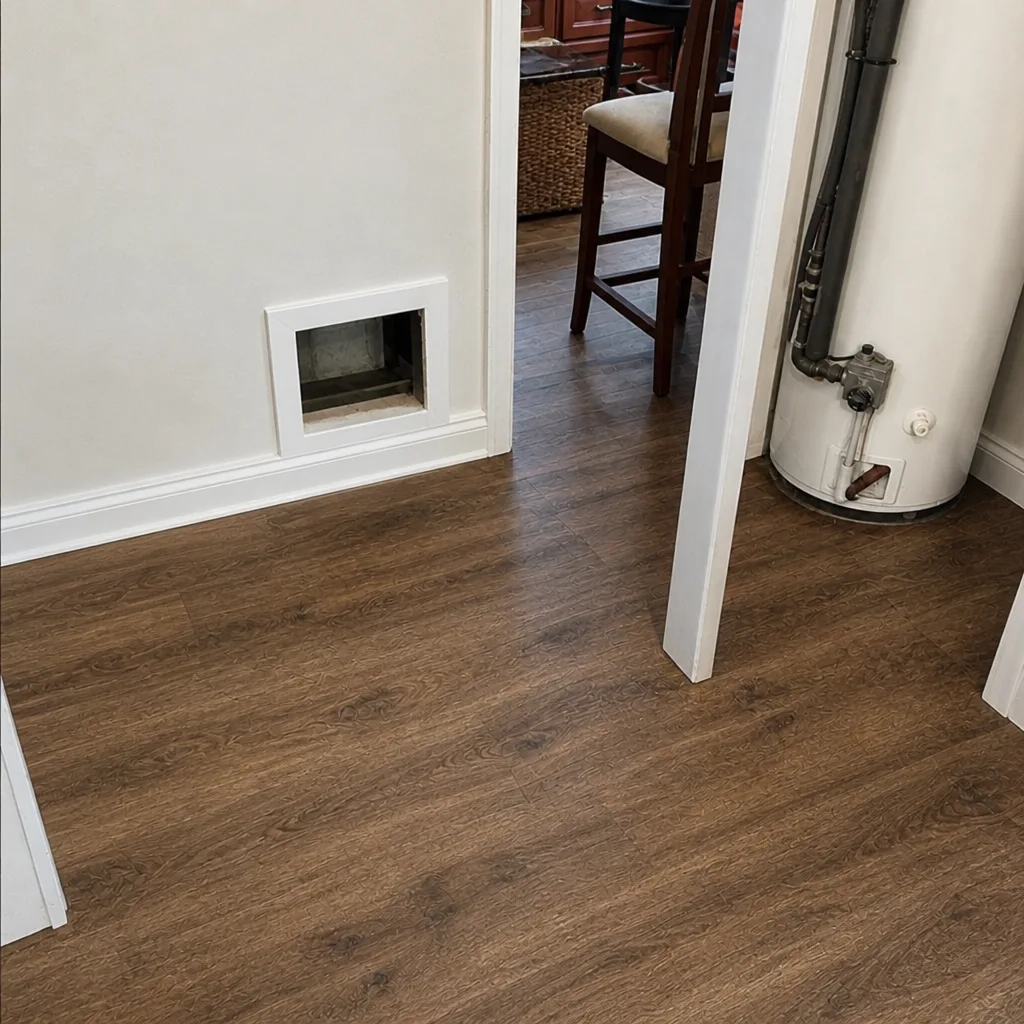
Whole-system duct and dryer vent check with before-and-after photos - you see exactly what came out of your vents
That "$99 whole-house special" is a bait ad - the real number appears once they are in your hallway, or the "clean" is a shop-vac at the register. We photograph the inside of your ducts before and after instead.
Choosing the Right Air Duct Cleaning Brand: A Buyer’s Guide for Elizabeth
Duct cleaning has no brand architecture the way HVAC equipment or flooring does. There’s no showroom, no manufacturer nameplate you can look up, no shared standards body stamping every job. When you search for the best air duct cleaning company in Elizabeth NJ, you aren’t really comparing brands. You’re comparing the equipment a company invested in, the training behind it, and whether their process reaches the full system or just the parts near the registers. This guide shows you how to tell those differences apart before you book, what to ask on the phone, and which answers separate equipment-serious operators from the coupon crowd.
Quick Answer
The right duct cleaning company in Elizabeth is the one that can describe its equipment in specifics, works the full system rather than the registers, and puts a fixed price per system in writing before any work starts. Ask what vacuum and agitation tools they use, whether they clean the supply and return sides, and what certification actually covers. A company that answers those plainly is worth a conversation. One that dodges them is telling you something too.
Styles & brands we work with
- Whole-home duct cleaning
- Dryer vent cleaning
- Camera inspection
- Sanitizing & deodorizing
Table of Contents
- Why “Brand” Means Something Different in Duct Cleaning
- What Equipment Tells You That a Name Doesn’t
- What NADCA Certification Covers, and What It Doesn’t
- How to Read Reviews Like an Inspector
- Local Operator vs. National Franchise in Elizabeth
- Five Questions That Separate Serious Operators From Budget Competition
- When Cleaning Isn’t Enough: The Case for One Company That Also Repairs
- Why Dryer Vents Deserve Their Own Line Item
Why “Brand” Means Something Different in Duct Cleaning
In most trades, brand does real work for the buyer. A furnace carries a manufacturer’s name and a parts network behind it. Flooring carries a wear layer spec and a warranty. Duct cleaning carries neither. There’s no product you’ll own afterward, no serial number on the wall. What you’re buying is a process performed by a company, and the process is only as good as the equipment and training it runs on.
That flips the usual buyer’s checklist. Name recognition is close to worthless here. A company with a polished logo and a fleet of vans may still show up with a shop vac and a wand. A quieter local operator may own a commercial-grade negative air machine and HEPA-rated containment equipment. The difference in what happens inside your walls is enormous, and it has nothing to do with how the company markets itself.
Elizabeth makes this especially important. The city’s housing stock runs from century-old multi-family buildings near the waterfront to mid-century homes in Elmora and newer construction out toward the edges. Ductwork in older Elizabeth properties has often been added, extended, or rerouted over the years, which means the system you have may not match the system anyone expects. A company with real equipment can handle that reality. A company with a rented vacuum cannot.
So the guide that follows treats “brand” as a shorthand for capability. You’ll learn what to ask, how to read the answers, and how to spot the difference between a company that cleans surfaces and one that cleans systems.
What Equipment Tells You That a Name Doesn’t
The single most reliable signal of a duct cleaning company’s seriousness is the equipment it owns. Equipment is expensive, it’s specific to the trade, and it can’t be faked on a phone call. If you know the names of the platforms used in professional work, you can sort companies quickly.
Professional duct cleaning rests on two jobs done at once: agitation and extraction. Agitation loosens debris stuck to the duct walls. Extraction captures it before it drifts into the living space. Weak equipment fails at one or both.
Here’s what serious equipment looks like in practice:
- Rotary brush systems like Rotobrush. These use a spinning brush head on a flexible cable to scrub the inside of the duct as it travels. Mechanical agitation is what releases caked-on dust, lint, and debris that a vacuum alone would glide past. Rotobrush equipment is built for residential and light commercial work and shows up in restoration jobs where surfaces need genuine cleaning.
- HEPA-rated vacuum units like Nikro. HEPA filtration captures fine particulate instead of blowing it back into the room. A truck-mounted vacuum with a HEPA final stage is the mark of a company that takes containment seriously. Nikro builds equipment for restoration and remediation work, not consumer use.
- Commercial negative air machines like Abatement Technologies. These are the same units used in air-quality-critical work. When a company owns them, it’s equipped for scenarios that go beyond routine maintenance, which tells you the baseline capability is higher than the average coupon operation.
Ask any Elizabeth company what vacuum and agitation equipment they run. If the answer is a brand you recognize from professional work, you’re talking to an equipment-serious operator. If the answer is vague, or the word “shop vac” appears, you have your answer. Professional-grade equipment, not a shop vac and a coupon, is the dividing line.
What NADCA Certification Covers, and What It Doesn’t
NADCA certification is the closest thing duct cleaning has to a trade credential, and it’s worth understanding precisely. NADCA, the National Air Duct Cleaners Association, publishes a standard (ACR, the Assessment, Cleaning and Restoration standard) and certifies individuals who complete training on it. Certification means a technician has been taught a defined process for assessing a system, cleaning it, and restoring it to a serviceable condition.
That’s real value. A certified technician knows how to evaluate a system before touching it, how to protect the home during work, and how to verify results afterward. The process standard exists so that cleaning is done in a sequence that makes sense, not in whatever order gets the job done fastest.
What certification does not tell you is what equipment the company owns. NADCA certifies people, not vacuum trucks. A certified technician working with undersized equipment will still struggle to clean a large Elizabeth system thoroughly. An uncertified technician running professional-grade equipment may do better work than a certified one running weak gear, though the ideal is certification and equipment together.
Both matter, and you should ask about both:
- Ask whether the technicians are trained to a recognized process standard. Phrase it plainly: “Are your technicians certified, and to what?”
- Ask what equipment the crew brings. Names, not adjectives. “Professional equipment” is not an answer.
- Ask whether agitation and extraction are done separately or together. Serious companies can explain the sequence.
- Ask whether they inspect the system before cleaning. An assessment step is part of the standard for a reason.
In our experience, the companies that answer all four questions clearly are the same ones that own the equipment worth owning. Certification is a process standard, not an equipment standard. You need both, and it costs nothing to ask.
How to Read Reviews Like an Inspector
Reviews are useful, but not the way most people use them. Star ratings tell you almost nothing. A five-star review that says “great service, very professional” is indistinguishable from a two-star review with the same words. What you want is detail, and detail is a fingerprint.
Look for reviews that mention specific observations about what happened during the job. Here’s what to scan for:
- Mentions of the system, not the registers. A customer who watched the crew work the supply trunk and the return side noticed something distinct. A customer who only mentions “the vents” probably saw surface work.
- Reports of debris volume. Cleaning a full system yields a lot of material. Reviews that mention how much came out, or ask where it all came from, suggest genuine extraction.
- Before-and-after photos. Companies that photograph the inside of ducts before and after are showing their work. A company using before-and-after photos of the customer’s own ducts is giving you something verifiable.
- Fixed pricing mentioned. Reviews that praise a price agreed before work started indicate a company with a professional quoting process.
- Mentions of other services offered after an inspection. If a customer says the crew noticed a damaged section and fixed it during the same visit, that’s a company with scope.
Equally useful: read the negative reviews for pattern. One complaint about a long wait is noise. Repeated complaints about a price that grew after the technician arrived are a signal, and it’s the one Elizabeth homeowners cite most often about this industry. The bait-and-switch reputation here is real, which is why before you book you should ask directly: is the price per system, agreed in writing, before any work starts? If the answer is a per-vent price or a coupon figure, that’s your answer.
Local Operator vs. National Franchise in Elizabeth
The franchise question comes up a lot, and it deserves a straight answer. National franchises standardize process. They train to a playbook, they brand consistently, and a franchise in Elizabeth is supposed to operate the same way as one three states over. That has value if your priority is a predictable process you can look up in advance.
What franchises don’t standardize is equipment. A franchisee buys their own vacuum and agitation tools, makes their own decision about whether to spend on a commercial negative air machine, and sometimes opts for the budget gear that keeps overhead low. Two franchise locations under the same logo can run very different equipment. The logo tells you nothing.
Local operators have the opposite profile. They don’t have a national playbook, but the good ones have invested in their own gear because that’s their whole business. The equipment you see is the equipment they own, not the equipment a corporate standard required. And local operators can offer a fuller scope: air duct cleaning alongside repair and dryer vent work under one name.
Our read is that brand tier is the wrong question. The right question is what the crew shows up with, local or franchise. Ask every company the same equipment questions and let the answers sort them. We’re a local operation working in Elizabeth, so we have a horse in that race, but the test works either way: equipment and process, not the sign on the van.
Five Questions That Separate Serious Operators From Budget Competition
This is the evaluation framework. Ask every company in Elizabeth these five questions on the phone, record the answers, and compare. The differences will be obvious by the third call.
1. What vacuum and agitation equipment will you bring?
The answer you want names a professional platform. Rotobrush for agitation and a Nikro or comparable HEPA-rated vacuum for extraction indicate a company that bought gear built for the job. If the answer is a generic “professional equipment” or a brand you don’t recognize, ask for details. A serious operator will happily explain.
2. Do you clean the full system, or just the accessible parts?
Full system means supply trunks, branch lines, registers, and the return side. Surface work means the visible register grilles and whatever’s just behind them. A company that says “we clean what we can reach” is not cleaning a system. The phrase that separates them: we clean the system, not just the registers.
3. How is the price set?
The answer you want is a flat price per system, agreed in writing before the crew starts. The answer you’re watching out for is a per-vent price, a coupon figure, or “we’ll know once we’re in there.” A written estimate is the only one that protects you from a surprise invoice.
4. Do you document before and after?
A company with before-and-after photos of your own ducts is a company you can verify. If the answer is no, ask why not. Modern equipment makes documentation easy, and there’s no good reason to skip it.
5. If you find damage during the inspection, what happens next?
You want a company that can fix what it found. Ductwork in older Elizabeth homes commonly has loose joints, crushed sections, or disconnected runs. A company that cleans but can’t repair leaves you calling a second contractor. A company with repair in scope can resolve it in the same visit.
Five questions, no more. A company that answers all five clearly, with equipment names and a written price, is operating at a different level than one that can’t. That gap is the real “brand” difference in this trade.
When Cleaning Isn’t Enough: The Case for One Company That Also Repairs
Cleaning reveals what’s behind the walls, and sometimes what’s behind the walls is broken. A thorough inspection during cleaning often turns up ductwork that has come apart at a joint, flexible duct that’s been crushed, or a run that was never connected properly in the first place. That’s common in Elizabeth properties where systems have been modified over the decades.
A company that only cleans has to tell you to call someone else. You then schedule a second visit with a second contractor who may want to re-inspect before quoting. It’s a week of your time and a second invoice, and the two companies blame each other if something’s not right.
A company with Duct Cleaning Elizabeth scoped as cleaning plus repair avoids that. The crew that found the problem is the crew that fixes it. There’s no handoff, no second inspection, and one price for the whole job. It’s also a sign of capability: a company that offers repair has technicians who understand ductwork as a system, not a surface. If your ducts need repair, we don’t stop at the cleaning; we fix it.
For property managers in Elizabeth this matters more than for most. A multi-family building may need cleaning across several units and repairs in two of them. Coordinating one company for the whole scope is simpler than juggling two, and the accountability is cleaner.
Why Dryer Vents Deserve Their Own Line Item
Dryer vent cleaning shows up on some duct cleaning menus as an add-on. On a serious company’s menu, it’s a standalone service, and that’s a meaningful distinction. Lint accumulation in a dryer vent is a recognized fire hazard, and the reason it’s a hazard is the same reason it’s easy to ignore: it builds up out of sight, behind the dryer and inside the wall.
A company that lists dryer vent cleaning as its own service is signaling that it treats vent safety as a distinct job with its own equipment and its own assessment. A company that mentions it as an upsell during the duct appointment, at a number quoted on the spot, is telling you where its priorities sit.
What to look for in a dryer vent appointment:
- The technician inspects the full vent run, not just the first foot behind the appliance.
- The work includes clearing the exterior termination, not just the interior connection.
- The company can tell you what condition the vent was in afterward, in plain terms.
- The job is priced per vent, in writing, like duct cleaning.
If you’re already booking duct cleaning, ask whether a dryer vent inspection makes sense for your Elizabeth home. If your last vent cleaning was years ago, or you can’t remember one, it probably does.
Common Mistakes to Avoid
- Choosing on price per vent. A per-vent price invites a company to do the minimum on the vents and then find problems worth upselling. A flat per-system price, agreed in writing, aligns the company’s incentive with the actual work.
- Skipping the equipment question entirely. Most homeowners never ask what vacuum the crew brings. Ask it. The answer is the fastest way to sort companies.
- Assuming a national brand guarantees quality. Franchises standardize process, not equipment. The local franchisee decides what to buy. Ask the same questions you’d ask a local operator.
- Treating a clean register as proof of clean ducts. Register grilles are the easiest part of the system to wipe down, and the least informative. Ask about the supply trunk and the return side.
- Booking cleaning without repair in scope. In older Elizabeth housing stock, a cleaning inspection often finds disconnected or crushed ductwork. If the company can’t fix it, you’re starting over with a second contractor.
- Not asking for before-and-after photos. Photographic evidence of your own ducts is the simplest verification available, and any serious company offers it without being asked.
- Ignoring the dryer vent. It’s a separate hazard, and it isn’t addressed by cleaning the ductwork. Book it as a separate job with its own inspection.
See the difference
 Before
 After
 Before
 After
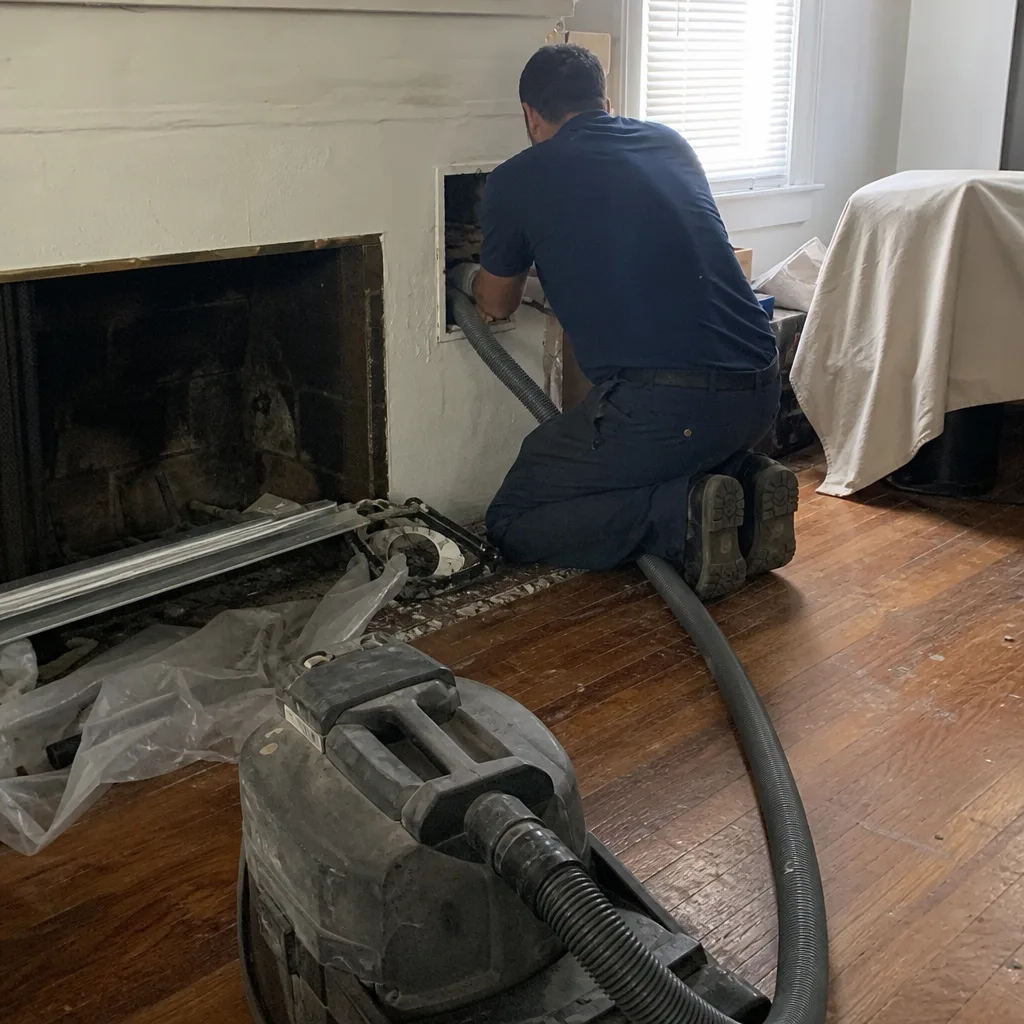 Before
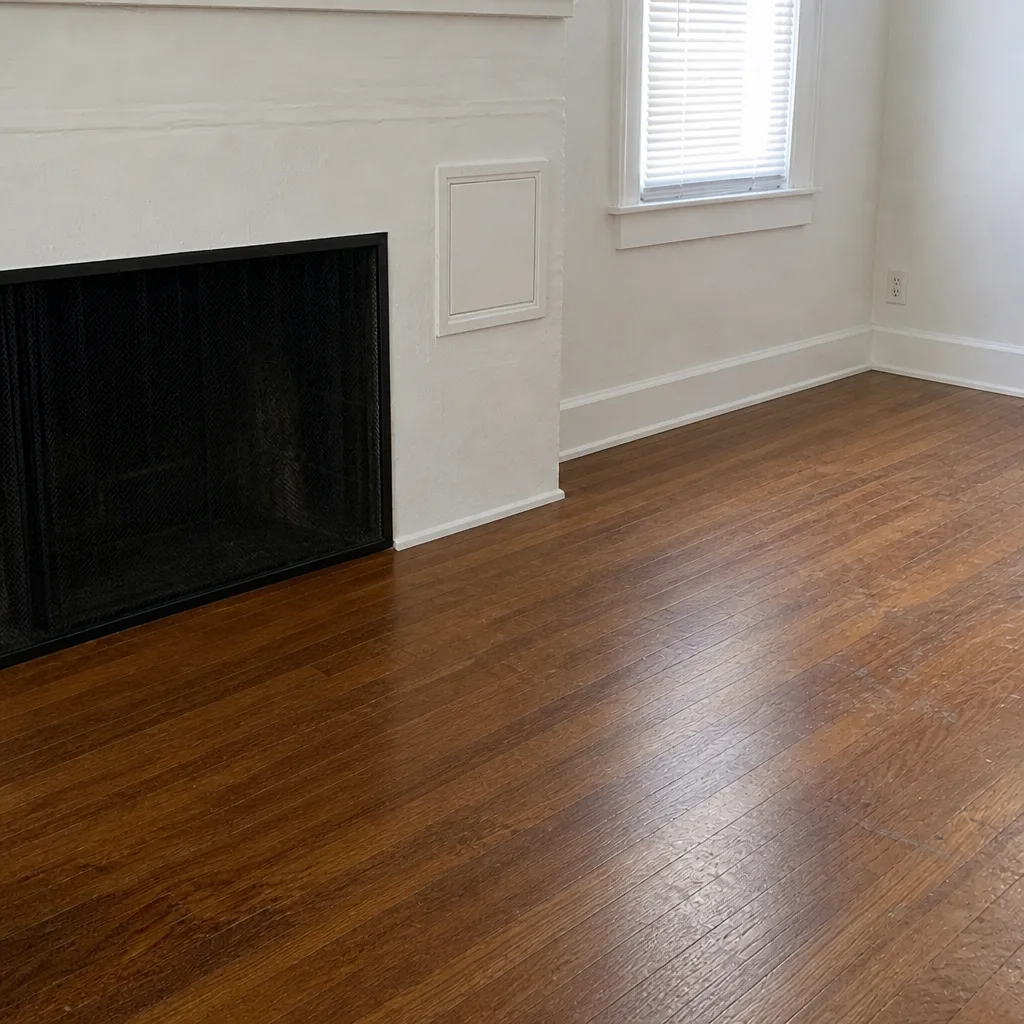 After
When to Call a Professional
Some problems should not wait for a convenient week. Noticeable dust settling on surfaces days after cleaning, a musty smell that returns whenever the heat or AC runs, a visible drop in airflow at the registers, or allergy symptoms that flare when the system kicks on are all reasons to have the system looked at. So is any history of water intrusion into ductwork, or a renovation that generated heavy dust. If your dryer takes noticeably longer to dry a load than it used to, that’s a dryer vent signal worth acting on.
Duct Cleaning Elizabeth offers free estimates in Elizabeth. Call (833) 946-6248. Our technicians have up to 11 years of experience, and we work with professional-grade equipment. Estimates are free, and the price is set per job by the written estimate before any work begins. We answer 24/7. Fast dispatch from 7am to 7pm, Sunday through Friday.
Frequently Asked Questions
Pricing is set per system, not per vent, and it varies with the size and layout of the system and whether repair work is needed. A written estimate given before work starts sets the final price, and estimates are free. Be cautious of a per-vent quote or a teaser coupon number. Those are the starting points of the bait-and-switch the industry is known for. Call (833) 946-6248 for an exact quote.
Cheap quotes usually reflect cheaper equipment and a shallower scope. A company pricing low may be using a consumer-grade vacuum and cleaning only the accessible parts near the registers, which leaves the trunk lines and return side untouched. The equipment is the cost driver. A commercial-grade vacuum and rotary brush system are meaningful investments, and a company that made them can’t compete on a coupon price. Ask what equipment the crew brings and the price difference usually explains itself.
Ask for before-and-after photos of your own ducts. Photographs taken inside the system before and after the cleaning show what changed, and any company running professional equipment can produce them. A full assessment before work begins, plus a plain-spoken summary afterward of what the technician found, is the second check. If neither is offered, that tells you something. Call (833) 946-6248 for a free estimate and we’ll walk you through what documentation looks like.
No. NADCA certification covers process training for the technician, not the equipment a company owns. A certified technician with weak equipment will still struggle on a large or complex system. The strongest position is both: certified or process-trained technicians running professional-grade equipment. Ask about both when you call.
Most homes don’t need it on a fixed schedule. A reasonable interval depends on the home: pets, recent renovation work, smoking, and how sealed the ductwork is all matter. Elizabeth homes in older buildings with ductwork that’s been modified over the years tend to benefit from an inspection sooner than newer construction. If you’ve never had the system inspected, that’s the place to start. A free estimate is a no-risk way to get an assessment. Call (833) 946-6248.
Yes, and that’s the practical advantage of choosing a company with all three in scope. Duct cleaning often turns up ductwork that needs repair, and finding it mid-job is much easier to resolve when the same company can fix it. Dryer vent cleaning is a separate job with its own equipment and its own inspection, but having it on the same appointment saves you a second scheduling round. Ask any company up front whether all three are in scope, and get the price for the full job in writing.
The Bottom Line
In duct cleaning, brand is a proxy for capability. The company that invested in professional-grade equipment, trained its technicians to a recognized process standard, and puts a flat price per system in writing is operating in a different category from the one that didn’t. Read reviews for detail, not stars. Ask five questions on the phone and compare the answers. Favor companies that document their work and that can repair what they find. And treat the dryer vent as its own safety job, not an add-on.
If you’d like to run those five questions past us, we’ll answer them directly. Duct Cleaning Elizabeth works on dryer vent cleaning, air duct cleaning, and duct repair across the area, using Rotobrush, Nikro, and Abatement Technologies equipment and working with Aprilaire and Honeywell whole-home air quality systems. Estimates are free and the price is set per job by the written estimate. Call (833) 946-6248. We answer 24/7. Fast dispatch from 7am to 7pm, Sunday through Friday.
Written by the team at Duct Cleaning Elizabeth.