
Last updated November 15, 2026
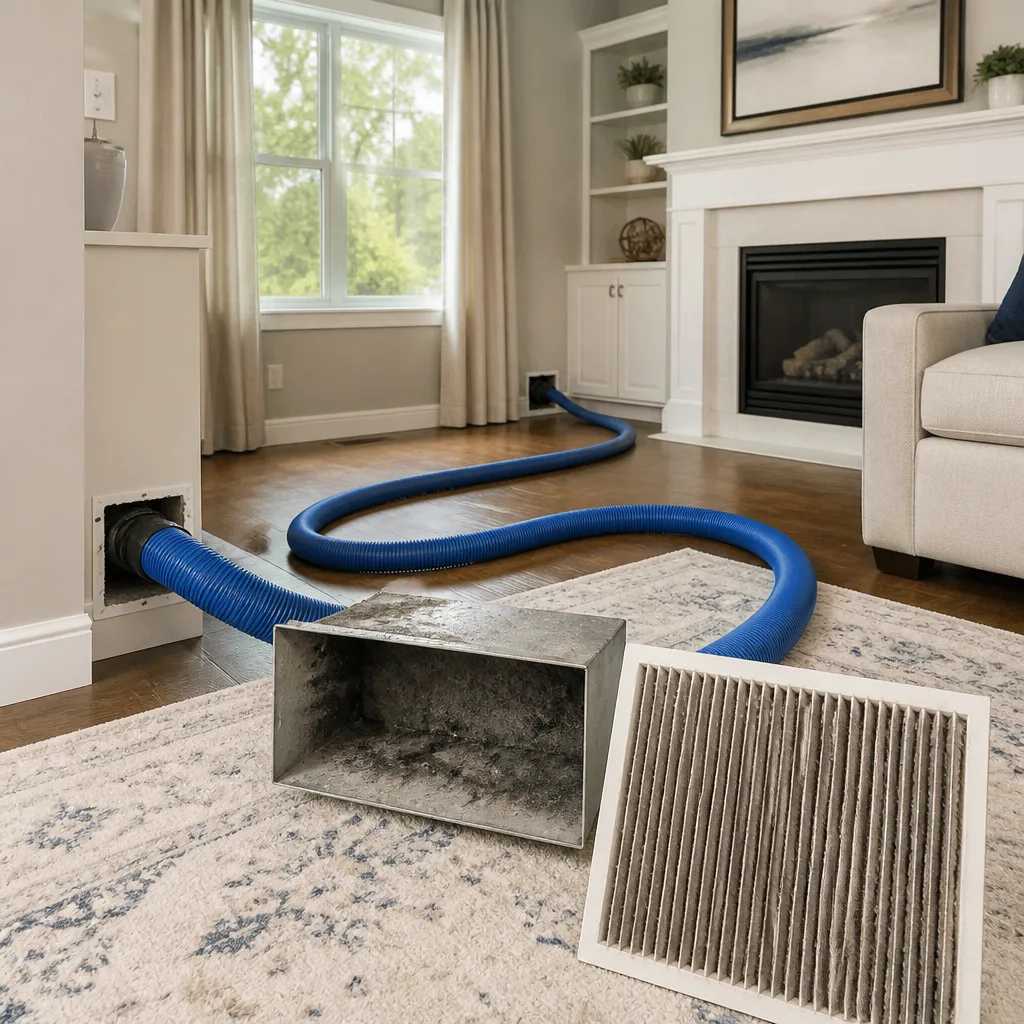 Whole-home duct cleaning
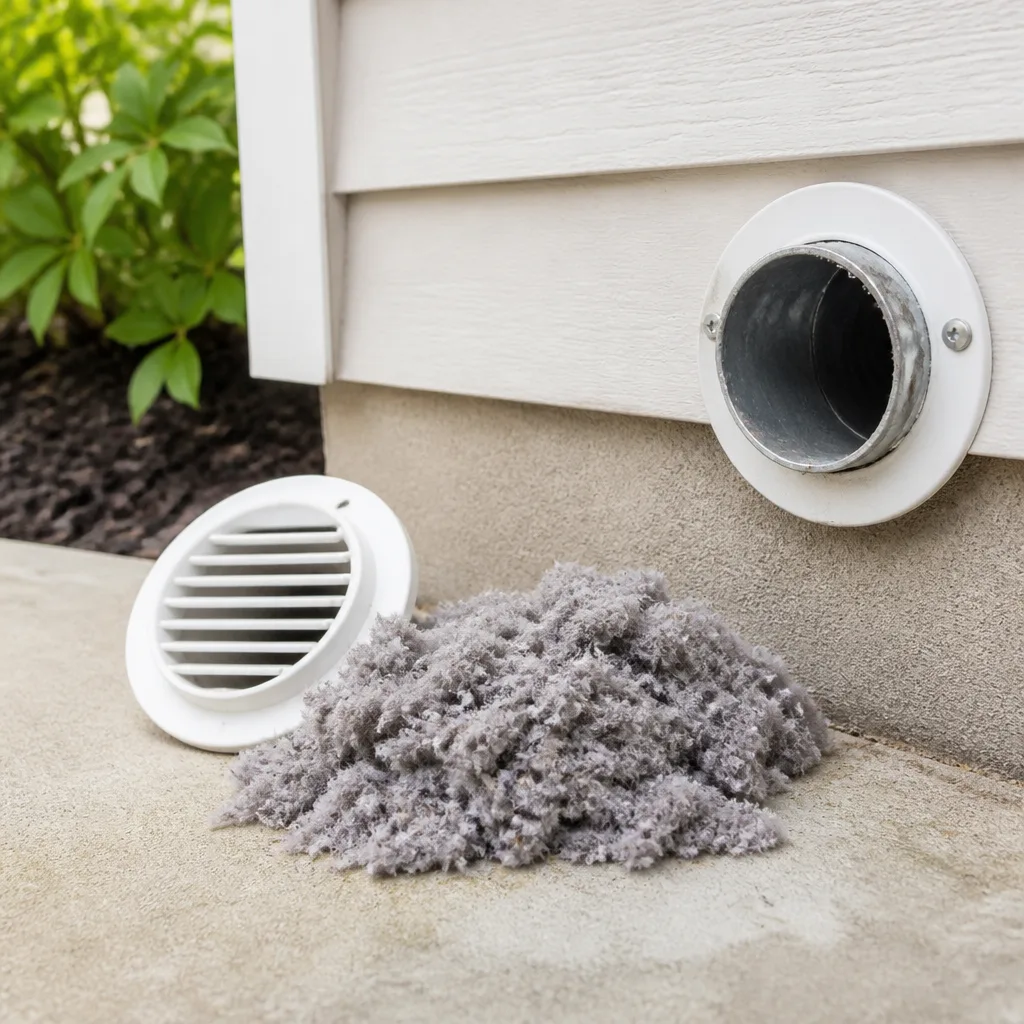 Dryer vent cleaning
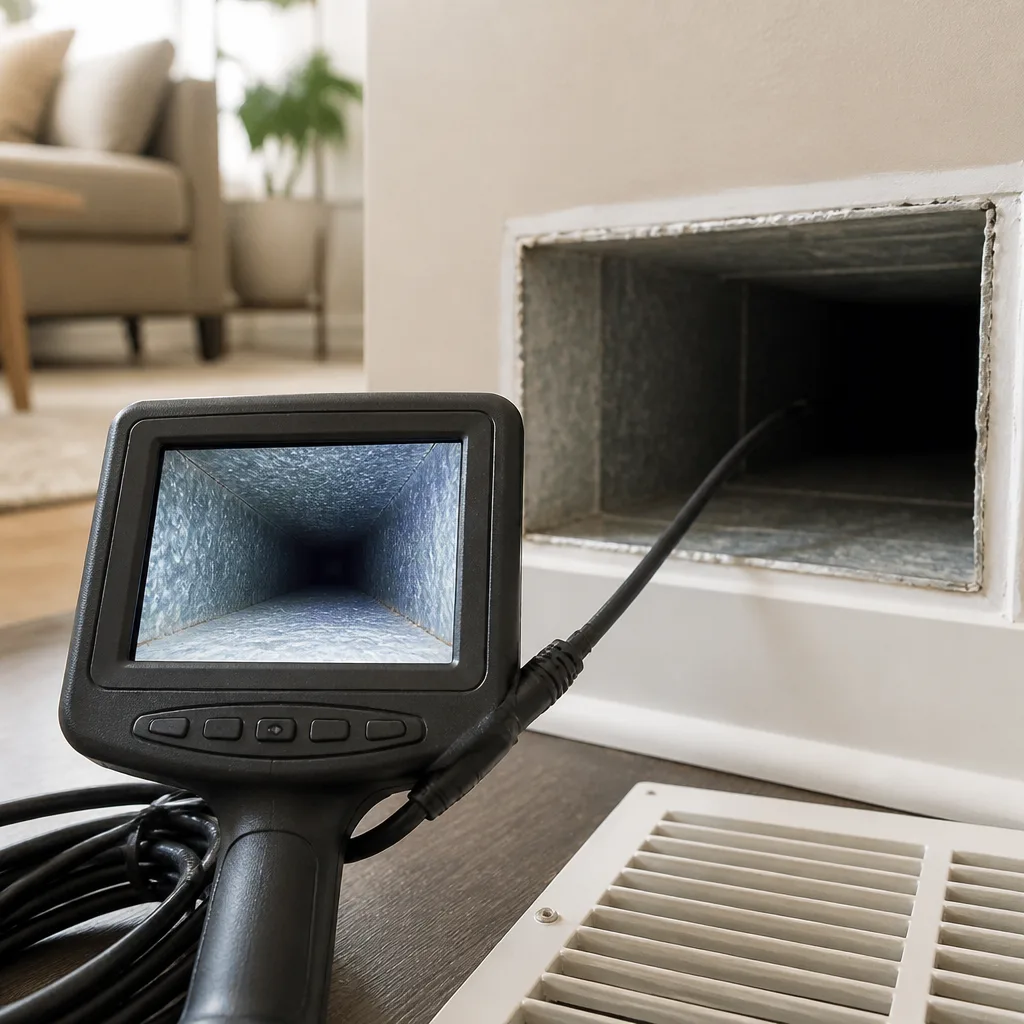 Camera inspection
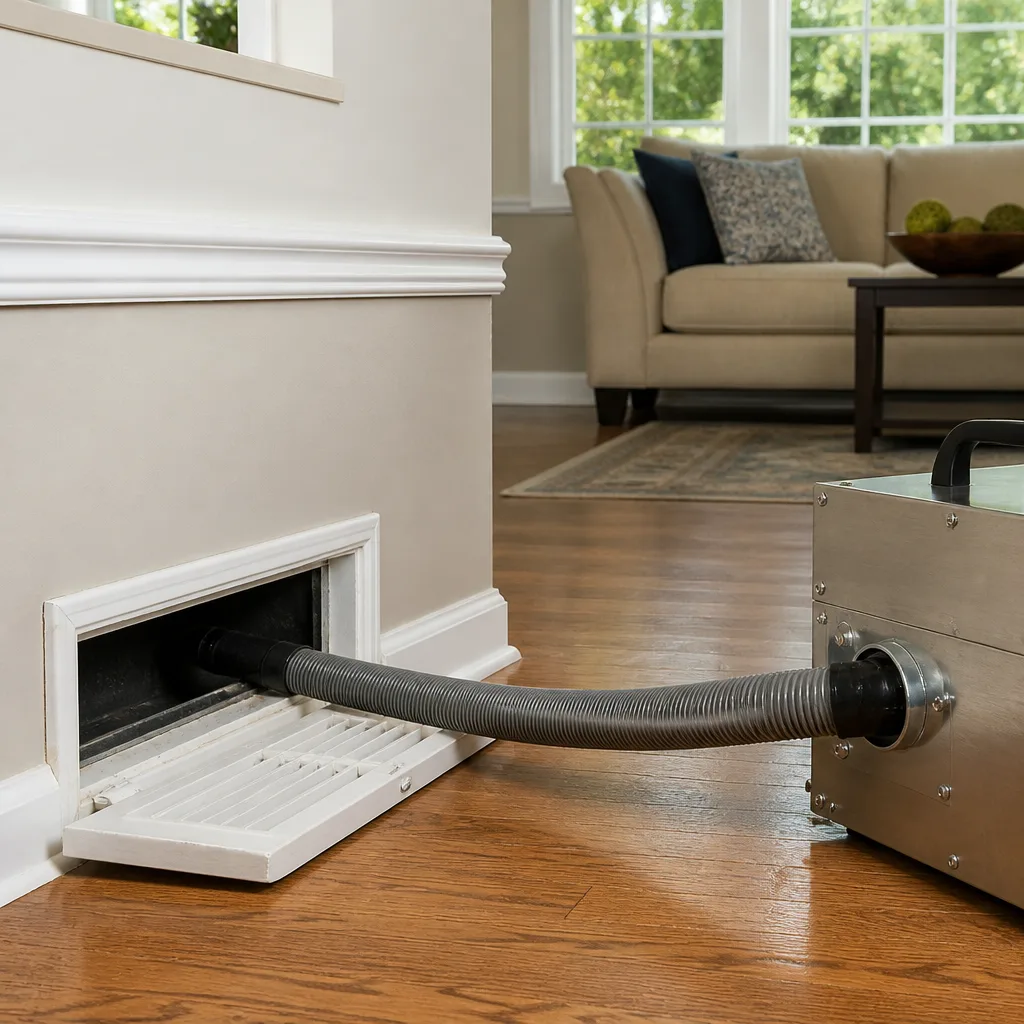 Sanitizing & deodorizing
Whole-system duct and dryer vent check with before-and-after photos - you see exactly what came out of your vents
That "$99 whole-house special" is a bait ad - the real number appears once they are in your hallway, or the "clean" is a shop-vac at the register. We photograph the inside of your ducts before and after instead.
How to Hire an Air Duct Cleaning Contractor in Elizabeth: A Step-by-Step Guide
Most homeowners in Elizabeth hire a duct cleaning company the same way they hire a landscaper: they take the lowest bid and hope for the best. That approach fails in this trade more than any other, because duct cleaning has no universal standard and no visible result you can judge from the driveway. A contractor with a shop vac and a coupon can call the job “done” and you’ll never know the difference until the dust settles back onto your furniture. The single most useful thing you can do before booking is ask about equipment capability, and almost nobody does. This guide walks you through the exact questions to ask, how to read a quote line by line, and how to verify the work once the job is finished.
Quick Answer
To hire an air duct cleaning contractor in Elizabeth, verify equipment capability before anything else: ask for the CFM rating of the vacuum (a legitimate job needs at least 4,000 CFM of negative pressure), ask what agitation method they use on the duct walls, and confirm they clean return air systems, not only the supply side. Then check the quote for itemized line items, ask about pre-inspection and access panels, and request before-and-after photos with a written summary when the job is done. Price should follow the system, not precede it.
Styles & brands we work with
- Whole-home duct cleaning
- Dryer vent cleaning
- Camera inspection
- Sanitizing & deodorizing
Table of Contents
- Quick Answer
- Why hiring is harder in Elizabeth than it should be
- The CFM question: the one spec that separates real work from theater
- Ten technical questions to ask before you book
- How to read a duct cleaning quote
- NADCA membership: what it proves and what it doesn’t
- Red flags that show up before work starts
- How to verify the job after it’s done
- Common mistakes to avoid
- When to call a professional
- Frequently asked questions
- The bottom line
Why Hiring a Duct Cleaning Contractor in Elizabeth Is Harder Than It Should Be
Elizabeth sits in one of the densest, oldest housing markets in New Jersey. The housing stock runs from early twentieth-century multifamilies near the waterfront to postwar capes and splits out toward the edges of the city, and each type carries its own duct layout problems. Older homes often have undersized or retrofitted duct systems tucked into wall cavities and chases. Newer construction sits tighter, which means less leakage and more of what’s inside staying inside. Either way, the ducts in an Elizabeth home are working harder than ducts in a house with more square footage per occupant, and that means more buildup, more recirculation, and more reason to hire carefully.
What complicates the hiring decision is that Elizabeth has no shortage of companies advertising duct cleaning. The barrier to entry in this trade is low. A van, a vacuum, a phone number, and a willingness to print a low teaser price is all it takes to look legitimate online. The result is a market where the cheapest quote and the most capable contractor can look identical on a website, and where the homeowner has no easy way to tell them apart until it’s too late.
That’s the gap this guide fills. Instead of asking you to trust a brand name, we’re going to teach you to read the technical signals. Equipment specs, quote structure, access panel requirements, and post-job documentation are all things you can evaluate before you spend a dollar. That’s the approach we take at Duct Cleaning Elizabeth, and it’s the approach we think every homeowner in Elizabeth should take with any contractor they consider.
The CFM Question: The One Spec That Separates Real Work From Theater
A legitimate air duct cleaning job requires a vacuum system capable of pulling at least 4,000 cubic feet per minute (CFM) of negative airflow through the duct system. Most budget operators arrive with equipment that produces less than 1,000 CFM, often much less. That’s not a matter of degree. Below roughly 4,000 CFM, the vacuum cannot maintain enough negative pressure to keep loosened debris suspended in the air stream and moving toward the collection point. Instead, debris gets stirred up, drifts sideways, and settles back onto the duct walls or escapes into the living space.
This is the single most important question to ask before hiring, and almost no homeowner asks it. When you call a duct cleaning contractor in Elizabeth, the conversation typically centers on price and availability. The equipment question never comes up. Push it there.
What to ask specifically
- What is the CFM rating of your vacuum system? A legitimate answer is a number, usually 4,000 or higher. A vague answer (“industrial strength,” “commercial grade”) is not an answer.
- Is it a negative-pressure system? The vacuum should connect to the duct system to create suction, not just run a hose down a register.
- What agitation method do you use? Air alone doesn’t dislodge stuck-on debris. Mechanical agitation is required. Rotary brush systems and high-pressure air whips are the two standard approaches.
- Does your equipment include HEPA filtration? Even with strong suction, some fine particulate can escape. HEPA filtration on the collection end captures it.
The equipment stack matters here. Professional-grade rotary brush systems like Rotobrush are built for the agitation step, and Nikro HEPA-rated vacuums are built for the containment step. Both are common in commercial and restoration work, not consumer cleaning kits. Our technicians use Rotobrush rotary brush equipment and Nikro HEPA-rated vacuums, along with Abatement Technologies equipment for jobs where contamination levels run higher than routine maintenance. The point isn’t the brand names. The point is that you should be able to ask for an equipment stack and get specific answers, and if you can’t, that tells you something.
Why this one spec matters so much
Duct cleaning suffers from a verification problem. The work happens inside walls and ceilings. You can’t see it being done, and you can’t easily inspect the result without a camera. Everything about the industry’s reputation problems traces back to this: if the work is invisible, deception is cheap. CFM is one of the very few specifications you can ask for and compare across contractors. Use it. A contractor producing 5,000 CFM and a contractor producing 800 CFM might charge the same, but they are not delivering the same service.
Ten Technical Questions to Ask Before You Book
Price and availability are the last two questions, not the first two. Here is the actual sequence we’d recommend to anyone evaluating a duct cleaning contractor in Elizabeth.
- What is the CFM rating of your vacuum? As covered above, 4,000 is the floor. Anything vague is a red flag.
- Do you clean the return air system, or supply ducts only? Return ducts carry air back to the air handler and are often the dirtier half of the system. Cleaning only supply registers misses the source of most of what recirculates.
- What agitation method do you use? Rotary brush, air whip, or both. “Compressed air” alone is not sufficient.
- Do you clean the air handler and the blower, or just the ducts? The coil and blower sit at the center of the system and collect dust over time. Cleaning the ducts without addressing the air handler leaves the source intact.
- Do you pre-inspect before quoting? A legitimate contractor wants to see the system before committing to a price. A contractor who quotes the same flat number to every caller has not seen the system and cannot know what it needs.
- Do you require access panels? If the answer is no, that contractor is planning to clean through the registers only, which is not a full system clean.
- What documentation do you provide after the job? Before-and-after photos, a written summary of what was found and what was done. Not a receipt alone.
- Are you licensed and insured? Ask for the certificate. A real contractor expects this question.
- What is the written price, and what does it cover? One flat price per system, agreed before work starts. Not per-vent pricing, not a teaser that grows on-site.
- What happens if you find damage during the cleaning? Duct repair is a separate scope, and you want to know in advance whether the contractor can handle it or whether you’ll be calling a second company after the inspection.
Write these down before you call. Ask them in order. If a contractor gets visibly annoyed at question three, you’ve learned something important about how the rest of the job will go.
How to Read a Duct Cleaning Quote
A real duct cleaning quote is itemized, tied to your specific system, and written down. A fake one is a flat number on a flyer. Here’s what a legitimate quote should contain and what its absence tells you.
Line items that should appear
- System description. What was inspected, how many registers and returns, and the general layout.
- Scope of work. Supply ducts, return ducts, air handler, coil, blower, and whether any components are being excluded.
- Agitation method. How debris will be loosened from the duct walls.
- Collection and containment method. What kind of vacuum and filtration is being used to capture what’s loosened.
- Access plan. Whether panels will be cut, where, and who restores them after.
- A single total price for the whole system. Fixed, written, agreed in advance.
What the absence of these line items signals
If the quote is a single number with no scope description, you have no basis to hold the contractor to anything. If the line items are vague (“duct cleaning,” “full service”), you cannot verify what was done afterward. If there’s no mention of access panels, the contractor is likely planning to clean only what’s reachable through the registers. And if there’s a per-vent price, that’s the industry’s version of a meter running: the more vents you have, the more you pay, and the base price was never a real price to begin with.
“Whole house” should mean the whole system. Supply and return ducts. Air handler and coil cleaned or addressed. All reachable branches cleaned and accessed. If a contractor uses the phrase “whole house” but describes work only on the supply side, that’s not the whole house. Ask specifically what’s excluded.
Why pricing should follow the system, not precede it
A two-bedroom condo with a short duct run and a 1920s multifamily with three zones and a retrofitted system are not the same job. Pricing that ignores this is pricing that doesn’t know what it’s pricing. A contractor who pre-inspects and then writes one flat price for the system you actually have is a contractor who understands the work.
For dryer vents specifically
The same pricing logic applies to dryer vent cleaning. A dryer vent is its own system with its own risks, and it should be a written, standalone line item, not an upsell tacked on after the technician is already on-site. Duct cleaning and dryer vent cleaning address different problems and shouldn’t be bundled into an opaque package price.
NADCA Membership: What It Proves and What It Doesn’t
The National Air Duct Cleaners Association (NADCA) is a trade organization that publishes industry standards, including a widely referenced assessment, cleaning, and restoration standard for HVAC systems, and an air duct cleaning certification for technicians. Membership and individual certification are both worth knowing about when you’re hiring, and both are useful signals. But neither is a guarantee, and understanding the difference matters.
What it does tell you
- The contractor is at least aware of industry standards, which is more than can be said for a company operating entirely off a flyer and a coupon.
- Someone on the team has taken a written exam on duct cleaning fundamentals and system components.
- The company has chosen to spend money on professional affiliation rather than avoiding it.
What it doesn’t guarantee
- It does not guarantee that the technician who shows up at your door has been individually certified, only that the company holds some form of affiliation.
- It does not guarantee that the equipment used on your job meets the CFM threshold. Equipment varies widely even among member companies.
- It does not guarantee that the quote process is transparent. A NADCA-affiliated contractor can still run a bait-and-switch pricing model.
Use NADCA membership as one item on a checklist, not as a substitute for the checklist itself. A contractor who can answer the ten technical questions above is a contractor worth considering, whether or not they’re on the membership list. A contractor who can’t answer them isn’t made more capable by a logo on their website.
Red Flags That Show Up Before Work Starts
Every problematic duct cleaning job starts with a problem visible before the technician ever arrives. Here are the ones to watch for.
- No pre-inspection. A contractor who quotes a price over the phone without looking at the system is guessing. Sometimes that guess is generous to them. Sometimes it’s a number designed to get in the door.
- Flat-rate pricing that ignores system size. Every home in Elizabeth has a different system. A quote that doesn’t ask about square footage, number of systems, or duct layout isn’t a real quote.
- No mention of access panel requirements. Proper cleaning requires access to the ductwork through panels, not just through the registers. If panels aren’t part of the conversation, the cleaning will be surface-level at best.
- Teaser pricing without a written scope. A coupon price with no written scope is a starting point for a negotiation that happens once the technician is already in your home.
- Per-vent pricing. This is the model that turns a small cleaning into a large invoice, and it has nothing to do with the actual capability of the equipment or the scope of work.
- No documentation offered. If they can’t tell you what evidence you’ll receive, they haven’t planned to provide any.
- Vague equipment descriptions. “Industrial grade” and “commercial strength” are marketing words. CFM is a spec. Ask for the spec.
- Upsell pressure before inspection. A contractor who mentions “mold remediation” or “duct sealing” before they’ve seen the system is selling, not inspecting.
One red flag isn’t necessarily disqualifying. Several together is a pattern. And a contractor who responds well to your questions, adjusts their answers based on what they find, and puts everything in writing is telling you volumes about how the job itself will go.
How to Verify the Job After It’s Done
The work is finished. The van is gone. Now what? This is where most homeowners skip the step that would have caught a bad job midstream.
Documentation to request
- Before-and-after photos. Photos of the duct interiors, taken before cleaning and after, from comparable angles. You should be able to see the difference and you should be able to see what was actually cleaned.
- A written summary. What was found, what was cleaned, what was excluded, and what the technician observed about the overall system.
- Notes on any damage discovered. If duct repair is needed, that should be documented with specifics, not vague language like “some wear and tear.”
What a post-clean inspection should show
Duct interiors should show visible improvement: less buildup on the duct walls, less debris accumulated at the bottom of horizontal runs, cleaner register boots. The air handler and coil area should be visibly cleared. If the contractor cut access panels, those panels should be properly sealed and finished. Ask to inspect the work with them before they pack up, and if they decline, that’s a data point worth noting.
What should change in your home
You probably won’t notice a difference in the first hour. Dust settling and airflow changes are gradual. Over the following weeks, you should notice less dust on surfaces, possibly better airflow from registers, and a reduction in musty odors if that was a pre-existing complaint. If airflow decreases or a new noise appears, call the contractor back, because those aren’t normal outcomes of a properly executed cleaning.
Repairs and follow-up scopes
If the inspection turns up damage, you have a choice: call a second company, or use a contractor who can handle both cleaning and repair. air duct cleaning and duct repair aren’t the same job, but a contractor who offers both avoids the awkward handoff between two companies. Our Elizabeth technicians include duct repair in the scope of work when the inspection calls for it, so the job doesn’t stop at the cleaning and leave you waiting on a second crew.
Common Mistakes to Avoid
- Hiring on price alone. The cheapest quote is usually cheapest because the equipment costs less and the job takes less time. That’s not a savings, it’s a smaller service.
- Skipping the CFM question because it feels awkward. It isn’t awkward. It’s the exact question a well-run contractor expects. Any hesitation in answering is your answer.
- Assuming “whole house” means the whole house. Ask specifically what’s included, and specifically what isn’t. “Whole house” that stops at the supply ducts isn’t whole house cleaning.
- Not asking about the return side. In a lot of Elizabeth homes, particularly older multifamilies, the return ducts are where the buildup concentrates. Cleaning only the supply side leaves the source in place.
- Accepting a flat quote without a pre-inspection. System size, layout, and condition vary too much to price blind.
- Not requesting before-and-after photos. If you can’t see what was cleaned, you’re taking it on faith. Documentation is the audit trail.
- Overlooking the dryer vent. Dryer vents are a separate system with a separate risk, and treating them as an afterthought leaves one of the more significant fire-safety items in a home unaddressed.
- Forgetting about the air handler. Clean ducts and a dirty coil means the system still has a dust source. Ask whether the coil and blower are part of the scope.
When to Call a Professional
Duct cleaning isn’t a maintenance task you schedule on a fixed calendar the way you’d change a furnace filter. It’s a response to specific conditions. Call a professional when you notice visible dust trailing from the registers shortly after cleaning surfaces, when musty or stale odors appear when the air handler runs, when a family member’s allergies or asthma symptoms get noticeably worse indoors, when airflow at the registers has weakened without a filter or blower explanation, or when you’ve moved into a home in Elizabeth and don’t know the duct cleaning history. Call for dryer vent cleaning if the vent flap doesn’t open fully when the dryer runs, if the dryer is taking two cycles to dry a load, or if you can’t recall the last cleaning. Same-day service is often possible, and we answer 24/7 for scheduling questions.
Duct Cleaning Elizabeth offers free estimates in Elizabeth. Call (833) 946-6248. Fast dispatch from 7am to 7pm, Sunday through Friday.
Frequently Asked Questions
Duct cleaning in Elizabeth typically runs several hundred dollars for a whole-system clean on a standard single-family home, and higher for larger or more complex systems, multiple zones, or jobs that require access panel cuts and duct repair. Pricing is set per system by a written estimate after a pre-inspection, not by a per-vent formula. Call (833) 946-6248 for an exact quote, the estimate is free.
Cheap duct cleaning quotes are usually cheap because the equipment is cheaper and the scope is smaller. Sub-4,000 CFM vacuums, no rotary agitation, supply-ducts-only cleaning, no access panels: all of these cut time and cost, and all of them deliver a surface-level result. Some contractors also use teaser pricing to get in the door and then expand the invoice on-site. A real quote is itemized and written, and it doesn’t change once the technician is in your home.
Ask for before-and-after photos of the duct interiors, taken from comparable angles, along with a written summary of what was found and what was cleaned. Ask to inspect the work with the technician before they leave, and check the access panels and register boots yourself. If you can see the difference and the documentation matches what you saw, you have your answer. Call (833) 946-6248 to schedule a job with documentation included.
For most homes in Elizabeth, duct cleaning every few years is a reasonable baseline, but the honest answer is that frequency depends on the home, the occupants, and what’s happening outside the ducts. Homes with pets, recent renovation work, occupants with allergies, or older duct systems usually need it more often. Homes with a recently cleaned system and a well-maintained air handler usually need it less. Let a pre-inspection guide the schedule, not a calendar reminder.
Not always, but often yes, at least on a limited basis. Proper cleaning requires access to the ductwork that registers alone can’t provide, particularly on runs with multiple branches or sharp turns. A contractor who says “no access panels needed” every time is telling you they plan to clean only what’s visible from the registers. Ask specifically how access will be handled, where panels will go, and who restores them afterward.
You should expect a high-CFM vacuum system (4,000 CFM or higher) for negative pressure, a mechanical agitation tool (rotary brush or air whip) for dislodging debris, and HEPA-rated filtration on the collection end for containment. Professional-grade systems like Rotobrush, Nikro, and Abatement Technologies are common in commercial and restoration work, and their presence is a reasonable proxy for capability. If the equipment looks like a shop vac and a long hose, ask for the CFM spec and consider what the answer tells you.
The Bottom Line
Hiring a duct cleaning contractor in Elizabeth starts with one decision: whether you’re going to evaluate capability before price. Capability has a spec, and that spec is CFM. Everything else – itemized quotes, access panel planning, return-air scope, before-and-after documentation – is downstream of the same principle: choose a contractor who can describe, in specific terms, what will happen and how you’ll verify it. Skip that step and you’re paying a coupon price for a coupon service. Do it, and the pool of contractors worth calling narrows quickly. If you’re not sure which questions apply to your system, call and we’ll walk through it with you before you book anything.
Contact
Duct Cleaning Elizabeth offers free estimates for homeowners and property managers in Elizabeth. We use professional-grade equipment – Rotobrush rotary brush systems, Nikro HEPA vacuums, and Abatement Technologies for contamination-level work – and we work with Aprilaire, Honeywell, and Guardsman whole-home air quality systems. Our three core services are air duct cleaning, dryer vent cleaning, and air duct repair. Call (833) 946-6248. We answer 24/7. Fast dispatch from 7am to 7pm, Sunday through Friday. Our technicians have up to 11 years of experience, and pricing is set per system by the written estimate agreed before work starts.
Written by the team at Duct Cleaning Elizabeth.
See the difference
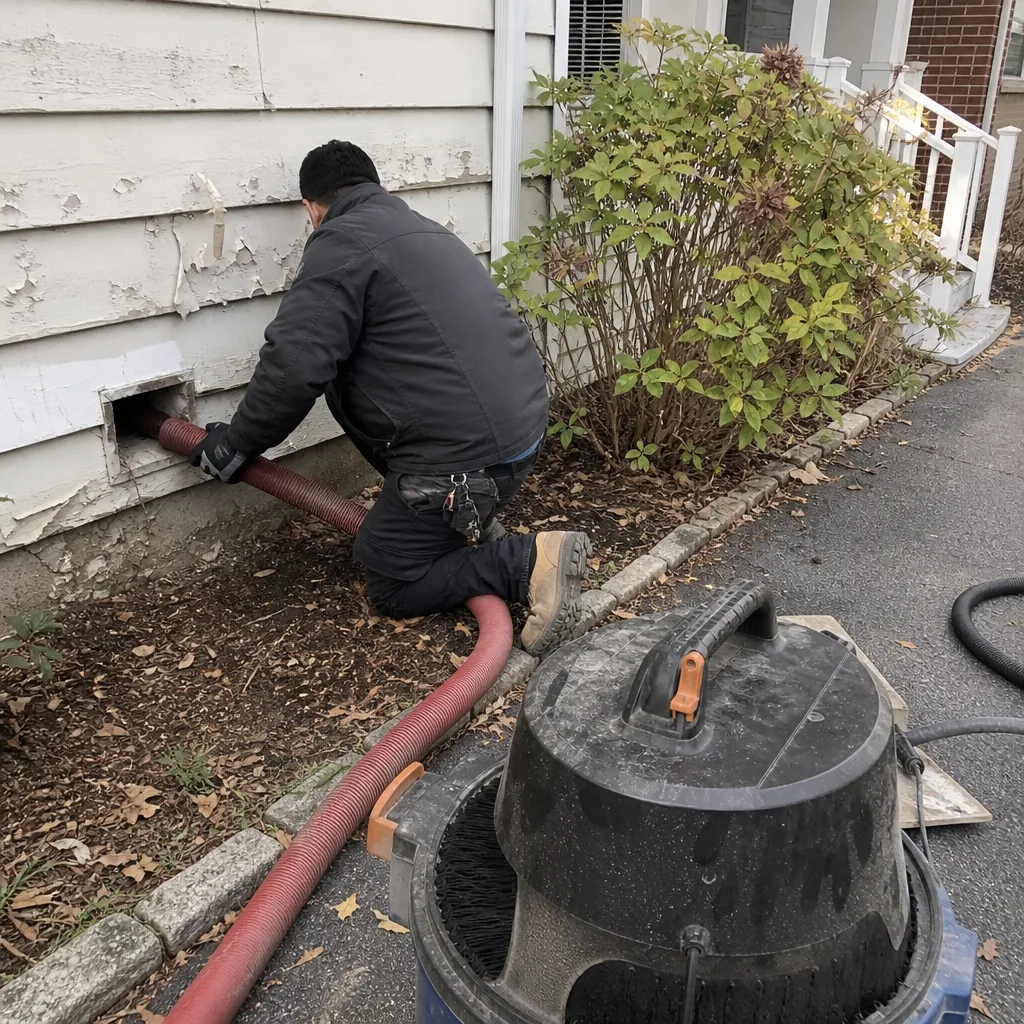 Before
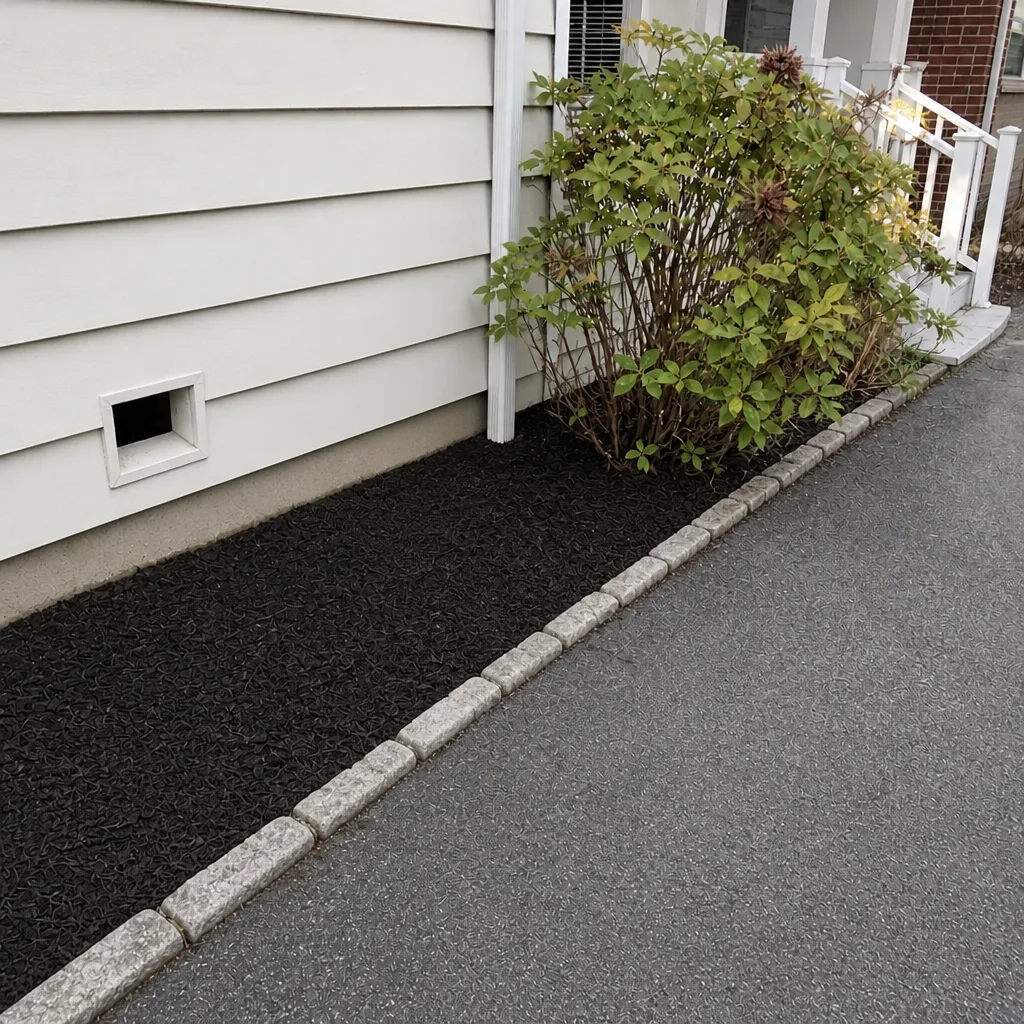 After
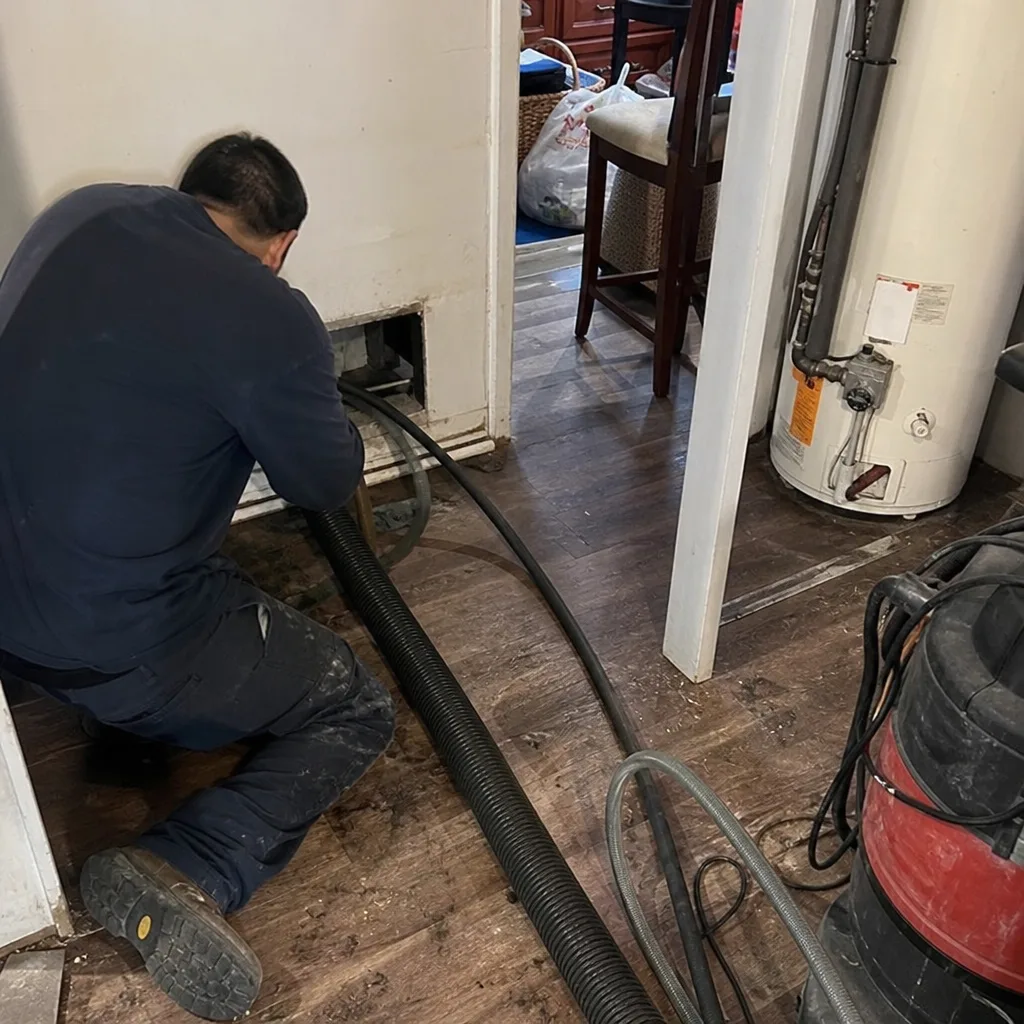 Before
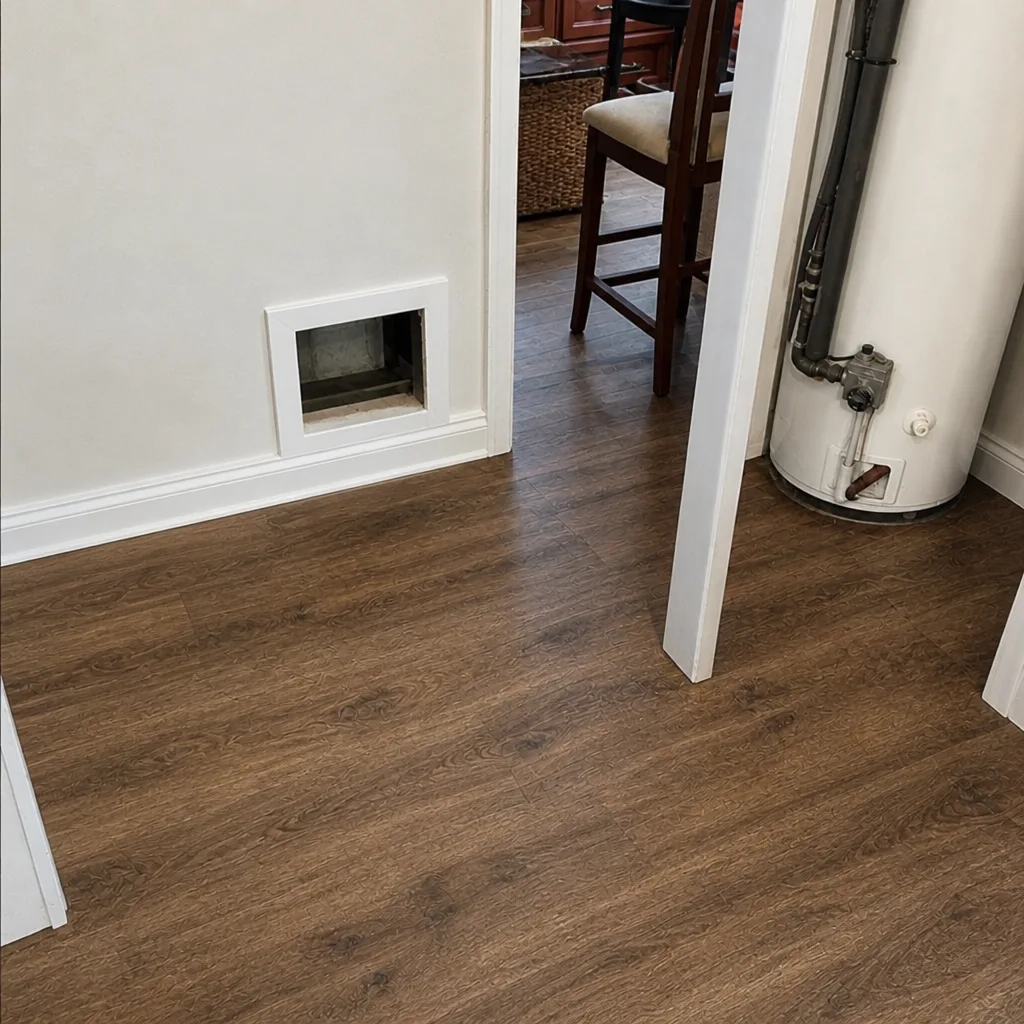 After
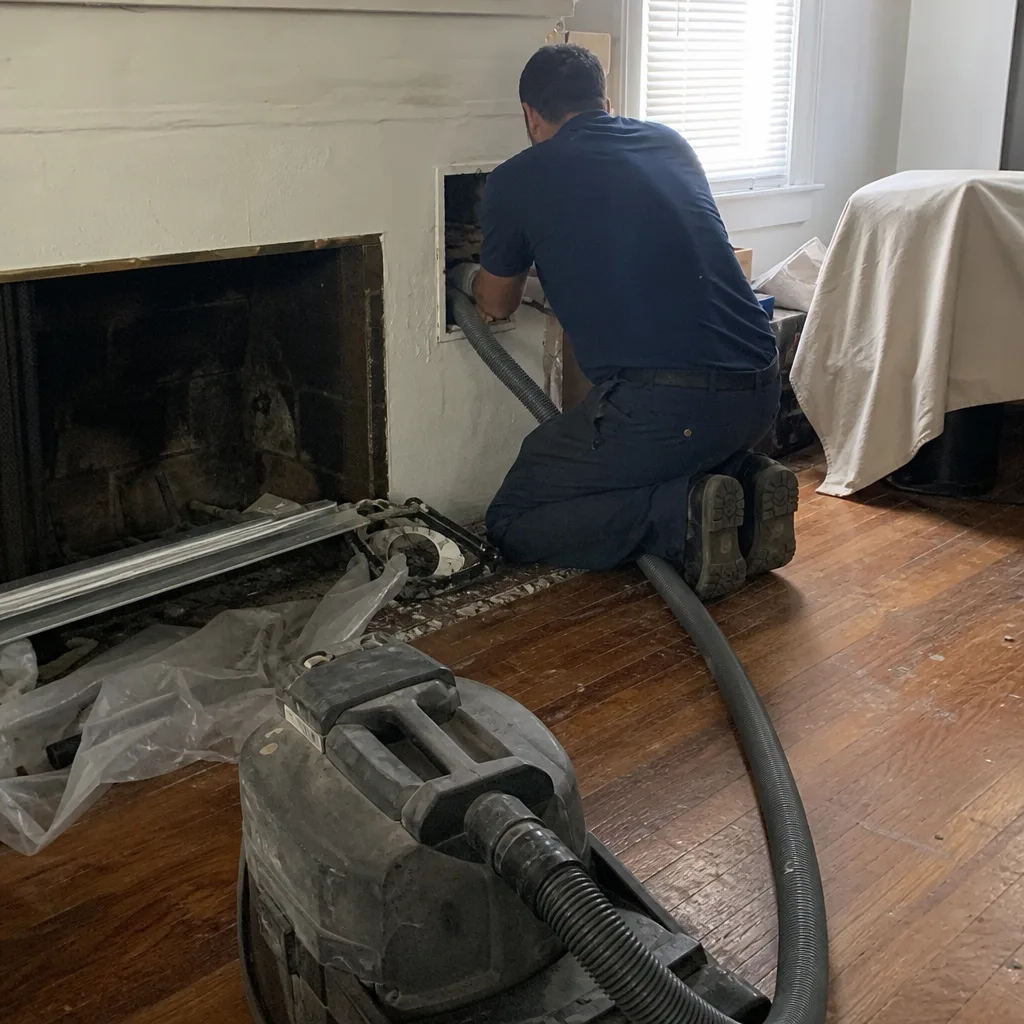 Before
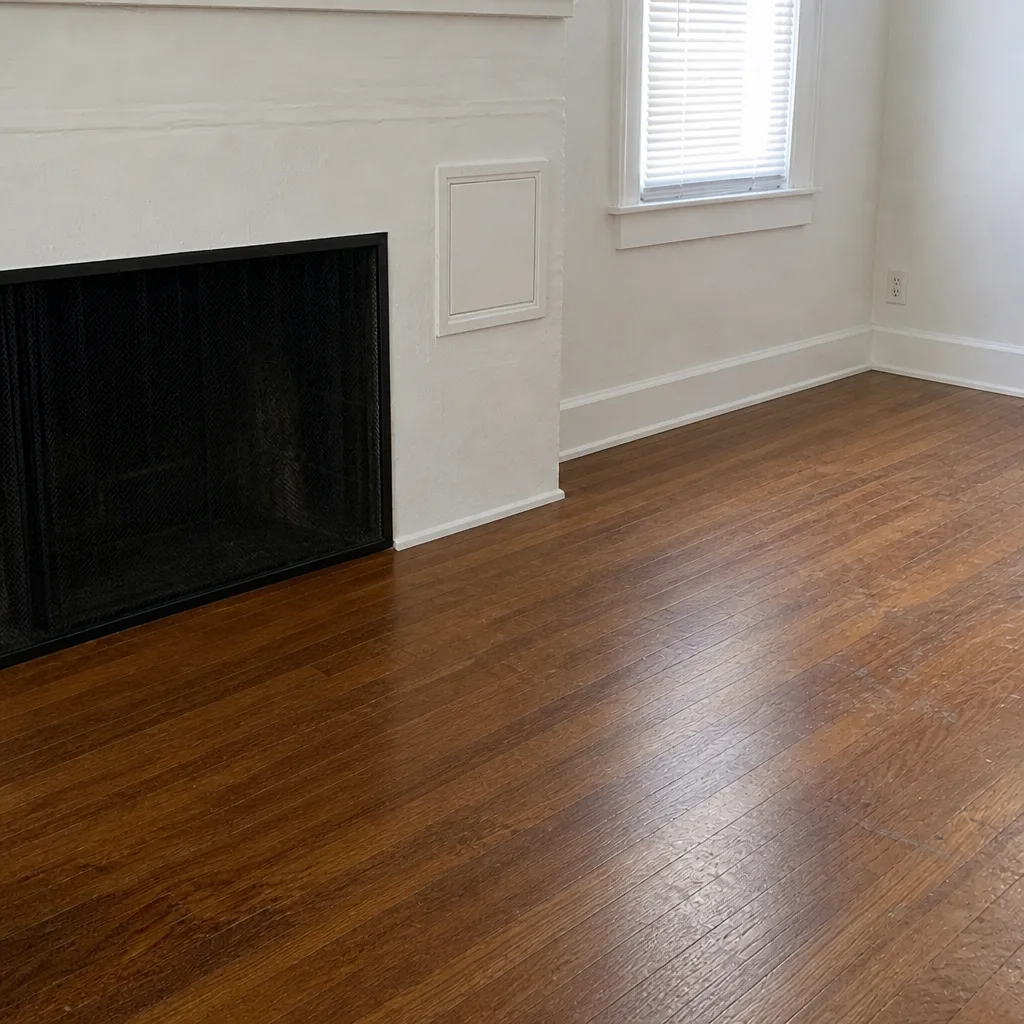 After