
Last updated November 15, 2026
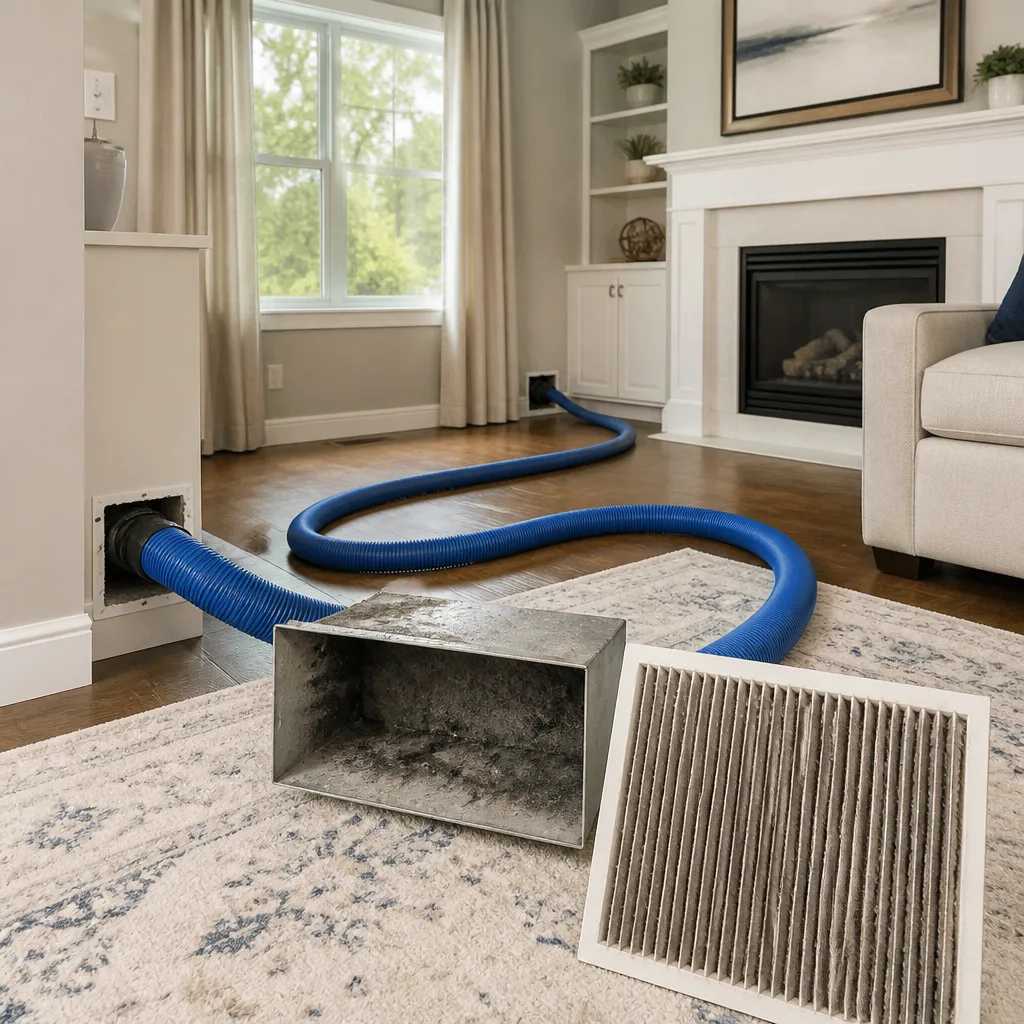 Whole-home duct cleaning
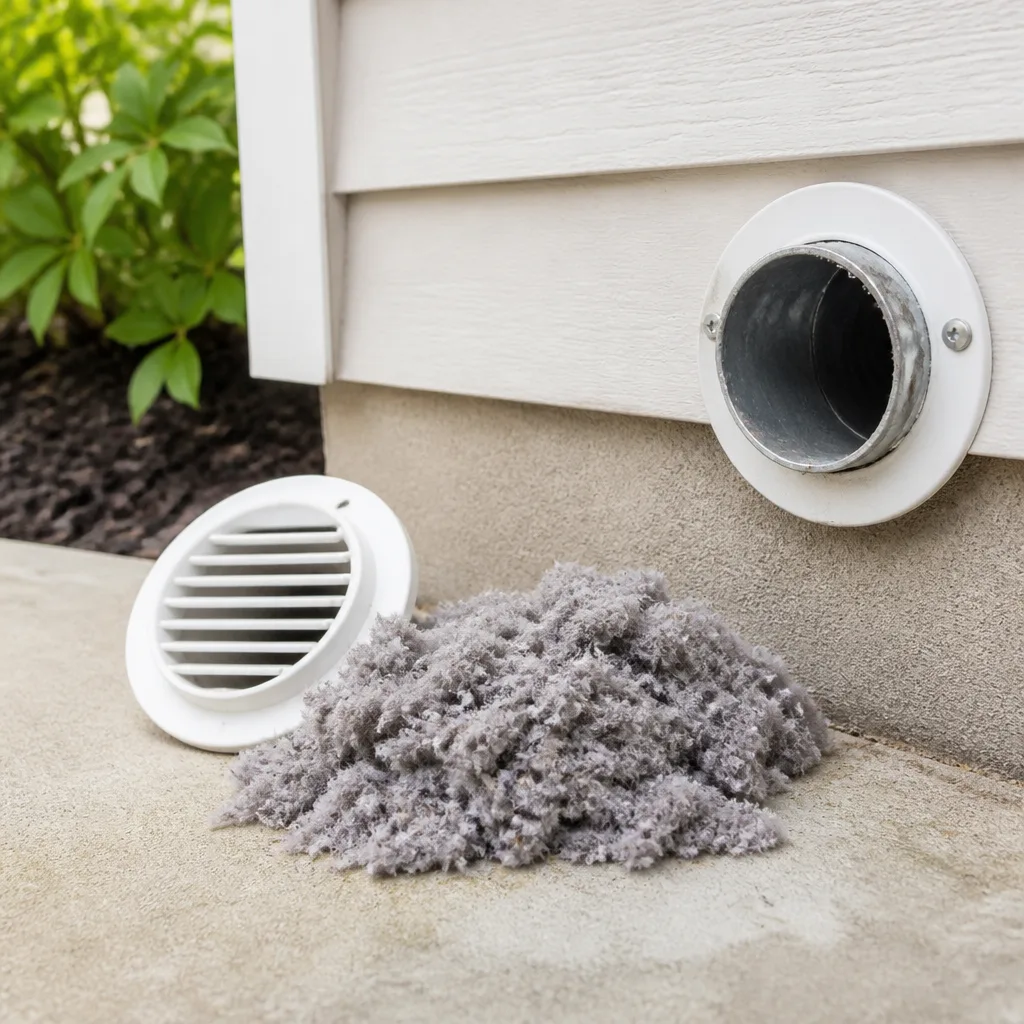 Dryer vent cleaning
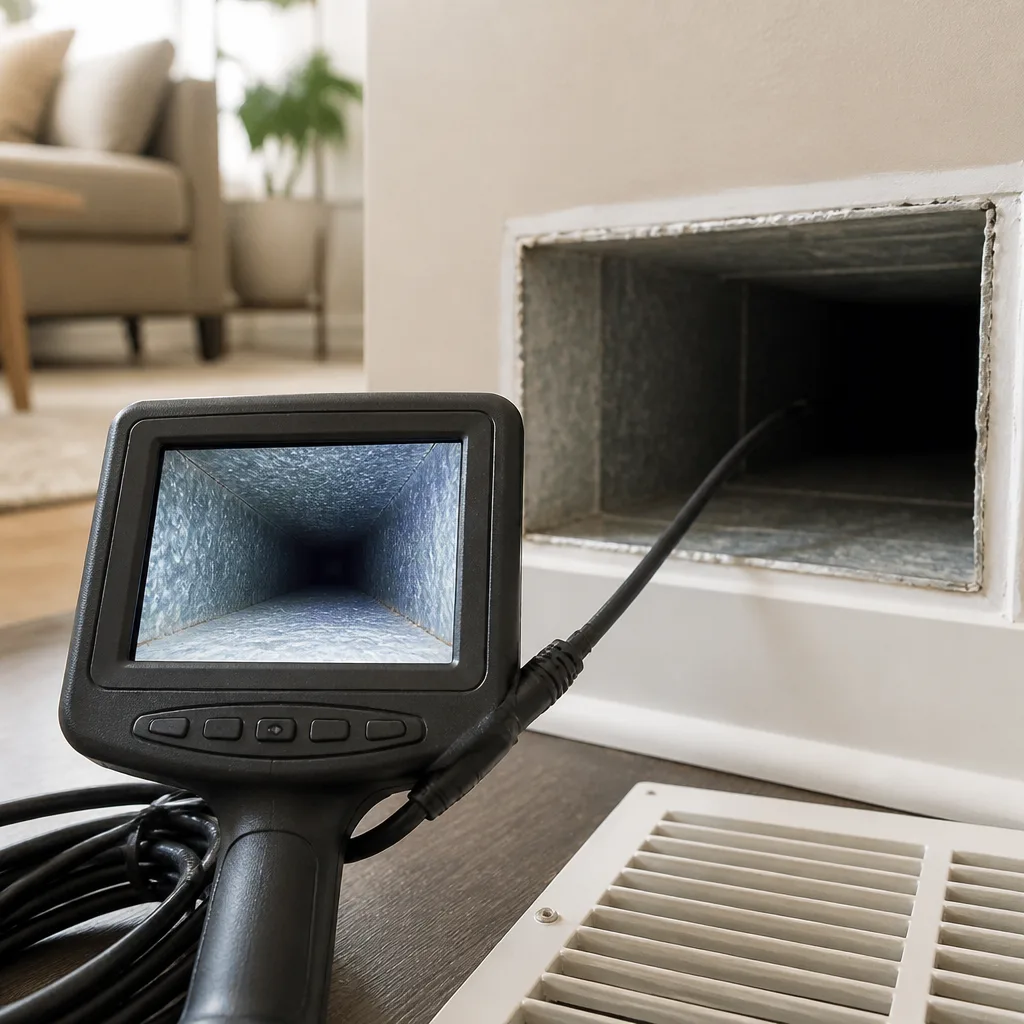 Camera inspection
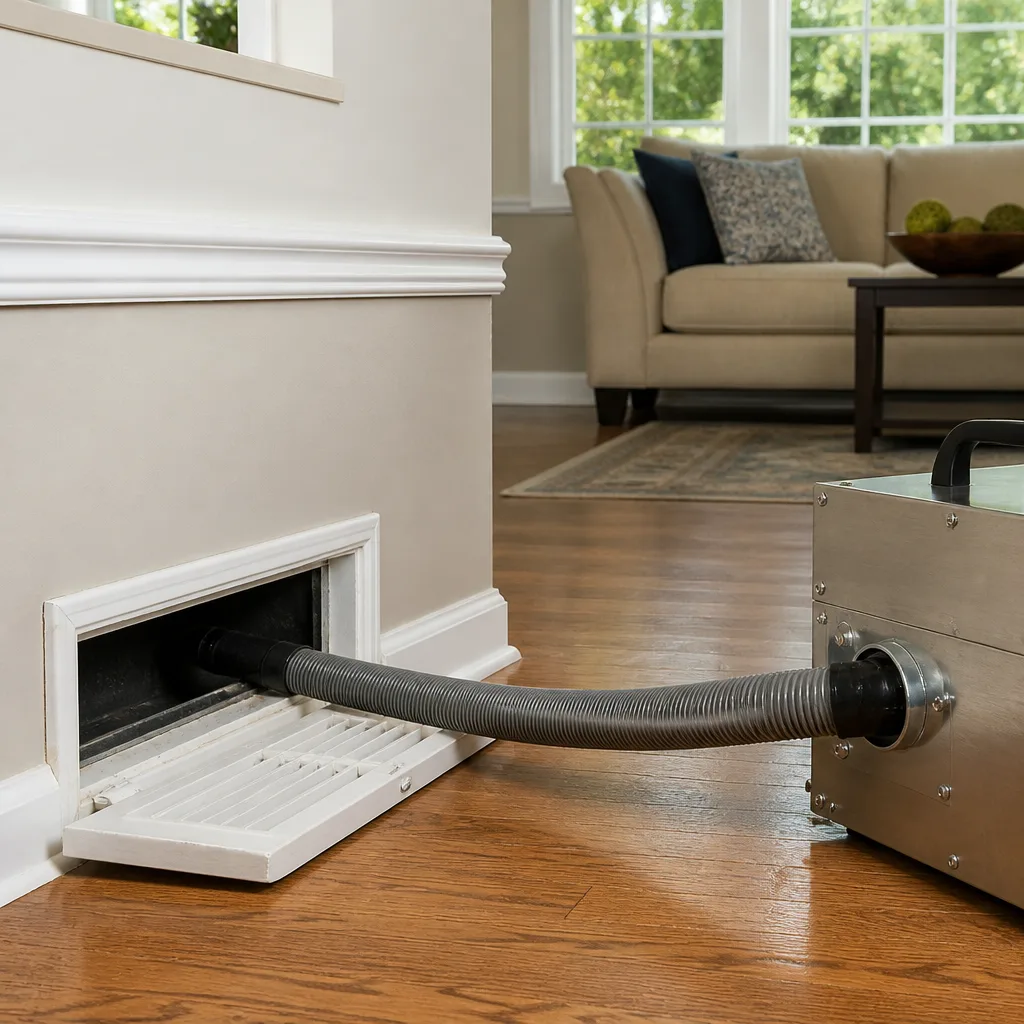 Sanitizing & deodorizing
Whole-system duct and dryer vent check with before-and-after photos - you see exactly what came out of your vents
That "$99 whole-house special" is a bait ad - the real number appears once they are in your hallway, or the "clean" is a shop-vac at the register. We photograph the inside of your ducts before and after instead.
Air Duct Cleaning Maintenance Schedule: What to Do and When
Two homes on the same block in Elizabeth can need duct cleaning two years apart, and neither homeowner did anything wrong. The house with two adults, no pets, and a first-floor furnace running a normal season loads up far more slowly than the split-level with three kids, a shedding dog, and a basement air handler that never really shuts off. Yet both get handed the same “every three to five years” line. That number isn’t a schedule. It’s an average, and averages hide the variables that actually decide when your ducts need attention. What follows is a load-factor framework: how to read your own home, what Elizabeth’s traffic and industrial corridors add to the mix, which maintenance tasks break down into which intervals, and the red flags that reset the clock no matter how recently you cleaned.
Quick Answer
Most homes in Elizabeth don’t need a fixed calendar date for duct cleaning. They need a load-factor check every year and a professional cleaning somewhere in the two-to-five-year range, driven by occupancy, pets, filter grade, HVAC run time, and how close you sit to Routes 1 and 9 or the industrial corridor. Homes on the heavier end of those factors should shorten that window; light-use homes with high-grade filtration can stretch it.
Styles & brands we work with
- Whole-home duct cleaning
- Dryer vent cleaning
- Camera inspection
- Sanitizing & deodorizing
Table of Contents
- Why “Every 3-5 Years” Fails in Elizabeth
- The Four Load Factors That Set Your Real Schedule
- Elizabeth’s Air Quality Profile and What It Means for Ducts
- Between Professional Cleanings: A Task and Interval Guide
- A Step-by-Step Annual Duct Check
- How Professional Extraction Changes Your Baseline
- Red Flags That Reset the Schedule
- The Dryer Vent Schedule Runs on Its Own Clock
Why “Every 3-5 Years” Fails in Elizabeth
The three-to-five-year guideline comes from a rough average across a huge range of homes. It’s a starting point, not a measurement. A duct system accumulates debris roughly in proportion to how much air moves through it, what that air carries, and how well the filter catches the rest. Change any one of those and the interval shifts.
Take two Elizabeth houses of identical square footage. One sits on a quiet residential street with two adults and a single first-floor furnace that runs through winter. The other has kids, a dog, and a basement air handler that cycles almost year-round because the basement was finished and now needs conditioned air. The second home pushes far more air through the same ductwork over the same period. The debris that settles in the return trunks and behind the supply registers builds faster, and the schedule should reflect it.
There’s a second reason the fixed number disappoints people here. Elizabeth is a dense, older city. Housing stock is mixed, systems have been retrofitted over the years, and the outdoor air that gets pulled into the return isn’t the same as air on a suburban cul-de-sac. Between the industrial corridor and heavy traffic on Routes 1 and 9, particulate loads in the air that surrounds your home run heavier than typical suburban benchmarks. That raises the floor on everything the filter doesn’t catch. When we clean in Elizabeth, we’re often looking at return trunks that carry a fine grey film far sooner than the homeowner expected.
The fix isn’t a new universal number. It’s learning to read your own home. The next section does that in four factors.
The Four Load Factors That Set Your Real Schedule
Think of these as dials. Each one dials your debris accumulation rate up or down. Read all four together and you’ll land on a defensible interval for your specific house rather than a guess borrowed from a magazine.
1. Occupancy Density
More people means more shedding skin cells, more moisture in the air, and more hours the HVAC runs to keep everyone comfortable. A two-adult household sits at the low end. A family of five with kids home all day pushes toward the high end. Measure density by people per square foot, not just the raw headcount.
2. Pets
Pets add dander and hair to the airstream, and shedding cycles concentrate the load. One short-haired cat is a modest bump. A large double-coated dog that sheds seasonally is a strong one. If you have multiple pets, weight this factor heavily.
3. Filter Grade
This is the dial most homeowners undersell. A cheap fiberglass filter catches the big stuff and lets the fines through to your ducts. A higher-MERV pleated filter catches more at the return grille, which means less reaches the ductwork itself. Homes running quality pleated filters can stretch their cleaning interval; homes running bargain filters can’t. A filter is cheaper than a cleaning, every time. If you want to understand the whole cleaning side of the equation, our guide to air duct cleaning lays out what the service actually involves.
4. System Run Time and Age
A system that runs all year (common with finished basements and zoned setups) moves more air than one that only runs in deep winter. Older systems with less efficient airflow patterns can also drop more debris in the ducts because the air moves more slowly. If your air handler never seems to shut off, you’re on the faster clock.
Score each factor low, medium, or high. Three or more highs and you’re on a shorter cycle. Three or more lows and you can safely push the interval out, provided you’re running a good filter.
Elizabeth’s Air Quality Profile and What It Means for Ducts
Suburban benchmarks don’t travel well to a dense city with an industrial corridor and a highway interchange nearby. The air that surrounds a home here carries more suspended particulate than air on a quiet cul-de-sac, and your HVAC system is one of the primary ways that outdoor particulate gets pulled inside.
The routes matter. Homes near Routes 1 and 9 sit closer to constant traffic, which means more fine road dust in the surrounding air. Homes nearer the industrial corridor carry a different mix, often a slightly oilier or darker film rather than the pale dust you’d expect in a purely residential setting. Neither is a health crisis, but both change how fast debris builds in the return side of the system.
If you’re a property manager running multiple units in Elizabeth, this compounds. Every building has its own placement relative to the traffic and industrial loads, and a single cleaning schedule applied across a portfolio will be wrong for a good share of the units. Walk each building’s return grilles at the same time each year and compare photos. That’s the fastest way to see which units are running hot.
None of this is a reason to clean constantly. It’s a reason to check annually and to lean on the earlier end of the range when your home sits close to the traffic or the industrial corridor. Filter grade becomes even more important in these locations. A quality pleated filter at the return is your first line of defense, and it’s doing more work in Elizabeth than it would in a suburban home.
Between Professional Cleanings: A Task and Interval Guide
The work you do between professional cleanings keeps your schedule honest. These tasks are quick, they don’t require special equipment, and they tell you when something has changed. Here’s a task-and-interval table you can actually keep up with.
| Task | Interval | What You’re Watching For |
|---|---|---|
| Inspect the return filter | Every 30 to 90 days, depending on home load | Grey matting, visible dust loading, bent pleats |
| Log the filter change date | Every change | Pattern over time. A log reveals whether your interval is too long. |
| Wipe supply and return registers | Quarterly | Heavy film buildup faster than expected means system load has increased |
| Vacuum around the return grille | Monthly | Surface dust near the intake is a proxy for what’s getting past the filter |
| Check the dryer vent exterior hood | Every 3 months | Lint accumulation at the flap, poor flap movement, debris visible outside |
| Full annual visual audit | Once a year | The larger pattern. Compare to the previous year’s photos. |
The filter log is the piece most people skip, and it’s the one that actually earns its keep. You don’t need anything fancy. Write the date on the filter edge with a pencil when you change it. That way you can look inside the return and know exactly how much time has passed. Three months of heavy loading tells you something. Six months of light loading tells you something else. The log turns a guess into a measurement.
The register wipe-down is a small chore that pays for itself. If you wipe a register clean and it’s visibly grey again in a few weeks, dust is passing through the system faster than a clean filter should allow. That’s a signal to look at filter grade before you look at anything else.
A Step-by-Step Annual Duct Check
Run this check once a year, ideally before the heating season when your system is about to do its heaviest work. It takes an hour and it tells you whether you’re on schedule or need to move your cleaning date up. You’re looking, not disassembling anything. Anything that would require opening the furnace cabinet or removing panels is a job for a technician.
- Take a filter photo. Pull the return filter and photograph it against a plain background. Note the change date and the filter’s MERV rating. Keep these photos in a phone album so you can compare year over year.
- Wipe one supply register in each room. Use a white paper towel. Note the color and thickness of the film. Dark or oily film points to different debris than pale dust.
- Look down the return grille with a flashlight. You’re looking at the surface of the duct, not deep inside. Any visible debris accumulation at the boot or trunk is a strong signal.
- Listen at the return grille while the fan runs. A whistle or a whoosh far louder than previous years can indicate restricted airflow from debris buildup.
- Check the exterior dryer vent hood. Confirm the flap moves freely and there’s no lint packed behind it. This is a safety check, not just a maintenance one.
- Note any odor. Musty or stale air from the supply registers is a common signal, and it’s one to record in your log.
- Compare to last year’s notes. If two or more signals have gotten worse, your cleaning date should move earlier.
This check is also the best way to catch a duct problem before it becomes a duct repair. A small leak at a boot or a disconnected run in a branch line shows up as a register with weaker airflow and often a dust trail at the seam. If your air ducts need repairs, we handle that alongside cleaning so you’re not calling a second contractor after the inspection.
How Professional Extraction Changes Your Baseline
There’s a difference between surface cleaning and true extraction, and it changes your baseline because it changes where you’re starting from next time. Consumer shop-vac equipment scrubs the visible surface and leaves the accumulated layer in the trunk and behind the boots. Professional equipment reaches further, so the next cleaning starts from a cleaner point.
Our technicians have up to 11 years of experience working with the equipment differences that matter here. We use the Rotobrush rotary brush to agitate and extract material from the duct surfaces, and Nikro HEPA-rated vacuum equipment to contain what comes loose. For air-quality-critical scenarios we bring Abatement Technologies equipment into the job. That’s not marketing language. It’s the difference between a ducts-adjacent scrub and a proper extraction, and it’s why a system we’ve cleaned starts from a materially different baseline than a home that’s only ever had a surface wipe.
The same applies to whole-home air quality systems. We work alongside and service Aprilaire and Honeywell systems, which means we understand how the ductwork integrates with the humidity control, filtration, and ventilation components of the system as a whole. A duct cleaning that ignores those components misses part of the picture. When we clean duct cleaning in Elizabeth, the ductwork, the registers, the air handler, and the connected air quality components are all part of the same evaluation.
The practical takeaway is that a cleaning done with extraction-grade equipment buys you more time before the next one is needed. If you’ve been cleaned from a proper baseline, the load factors still apply, but they start from a cleaner floor. That’s a real advantage, and it’s why cheap surface cleans tend to come back around to needing another clean much sooner than expected.
Red Flags That Reset the Schedule
Some triggers override your normal interval. When any of these appear, treat the cleaning schedule as reset and get the system evaluated, whether the last cleaning was two years ago or two months ago.
- Visible debris at the registers. If you can see debris from a supply or return without a flashlight, the accumulation has reached a level the schedule missed.
- Musty or stale odor from supply registers. Persistent odor from the supply side is a strong signal. It often means moisture or biological accumulation somewhere in the system.
- Allergy symptoms that spike indoors. If household members consistently react when the system runs, that’s a load-change signal.
- Audible airflow changes. A system that’s getting noticeably louder at the return without a change in blower settings points to restriction.
- Visible dust trails at seams or boots. A dust plume at a duct seam tells you the ductwork needs evaluation, not just cleaning.
- Any mold smell after a humid stretch. If the smell lingers after humidity drops, get the system looked at.
- Dryer vent lint blocking the exterior flap. A dedicated check every three months catches this before it becomes a hazard. Dryer vent cleaning runs on its own safety clock because lint accumulation behind the flap is a fire risk independent of your duct schedule.
A substandard cleaning can also reset the schedule in the worst possible way. If a previous cleaning was a coupon-level surface job, you may be starting from a dirtier baseline than you think. Our dryer vent cleaning service operates on the same principle: real extraction, not a surface pass.
The Dryer Vent Schedule Runs on Its Own Clock
The dryer vent is the exception to the entire load-factor framework. Its accumulation rate is driven by dryer use, not by household size or HVAC run time, and the safety stakes are higher. A duct cleaning schedule that ignores the dryer vent is incomplete, and a dryer vent cleaning performed only when the dryer starts to feel warm is too late.
The generally recommended interval is once a year for typical households and more frequently for larger families or homes where the dryer runs daily. The exterior hood is your primary visual check between cleanings. Confirm the flap moves freely and there’s no lint packed behind it. If the flap stays partially open or lint is visible outside the hood, stop waiting and schedule it.
This is the reason dryer vent cleaning is a dedicated service rather than an upsell afterthought. It’s a leading cause of residential fires, and it belongs on its own schedule. Our team services Guardsman systems alongside the standard vent configurations you’ll find in Elizabeth homes. When we clean, we’re looking at the whole vent path, not just the section behind the dryer.
Common Mistakes to Avoid
- Treating “3-5 years” as a hard rule. That number describes an average, not your house. Ignoring your own load factors means you’ll miss the mark in either direction, cleaning too often or not often enough.
- Skipping the filter log. Without a written change date, you have no idea whether your interval is right. A pencil mark on the filter edge costs nothing and tells you everything.
- Underestimating the Elizabeth location factor. Homes near Routes 1 and 9 and the industrial corridor accumulate particulate faster than suburban benchmarks suggest. If you live in one of these areas, lean toward the shorter end of the range.
- Buying a cheap cleaning and hoping it lasts. Surface cleaning with shop-vac equipment leaves the trunk and boots dirty, so your next cleaning comes sooner. Extraction is the difference between buying time and losing it.
- Forgetting the dryer vent entirely. The dryer vent clock is separate from your air duct clock and it matters more for safety. A clean HVAC system with a packed dryer vent is not a safe home.
- Ignoring visible debris at registers. If you can see it without a flashlight, the schedule is behind. Get the system evaluated.
- Having ducts cleaned but never inspected for damage. A cleaning doesn’t repair a disconnected branch or a boot leak. If your ducts need repairs, handle both in the same visit.
See the difference
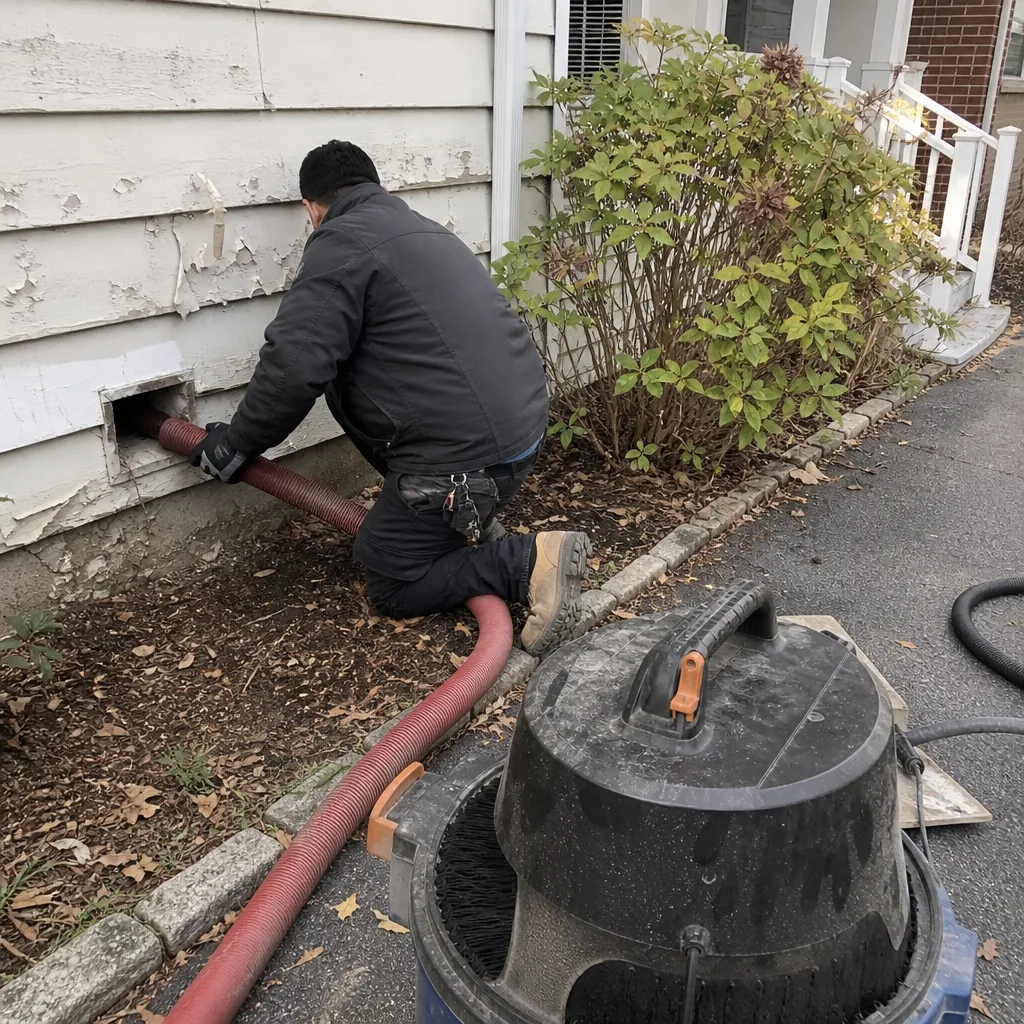 Before
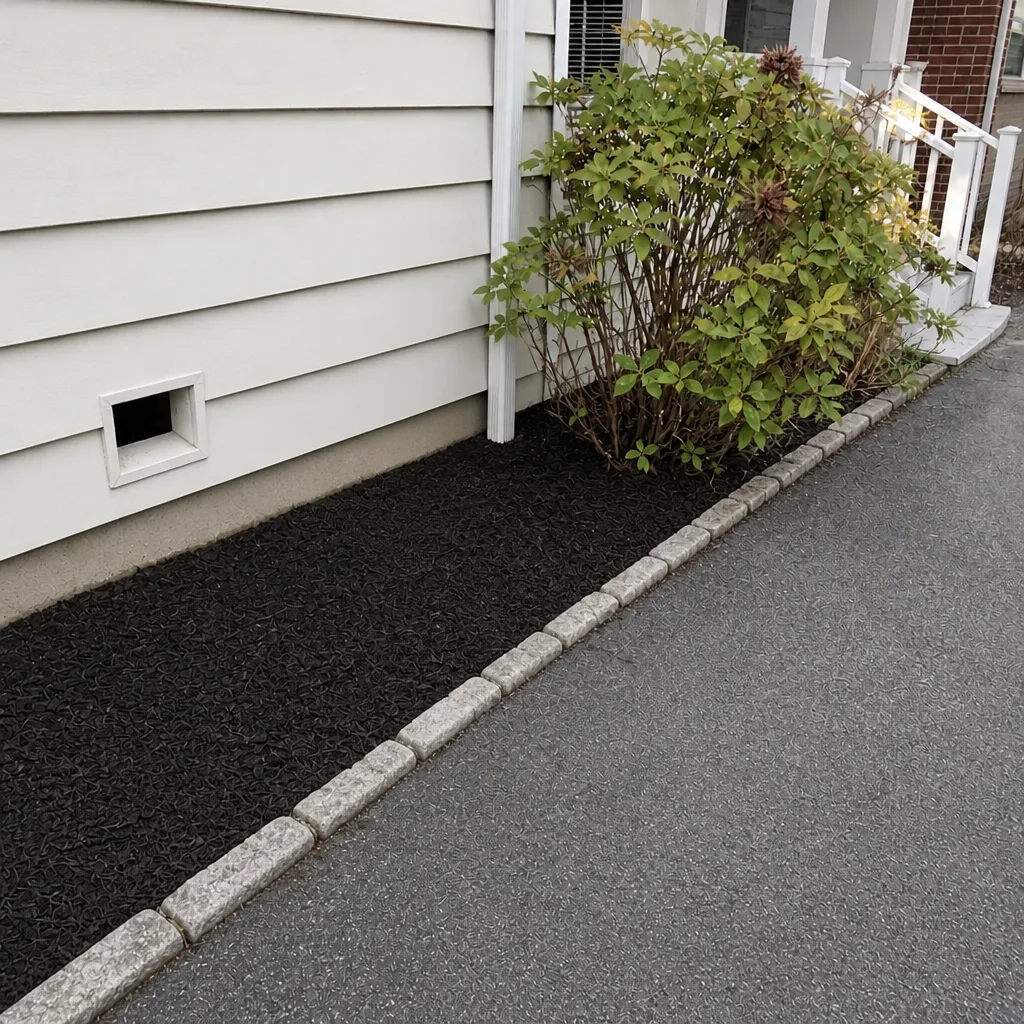 After
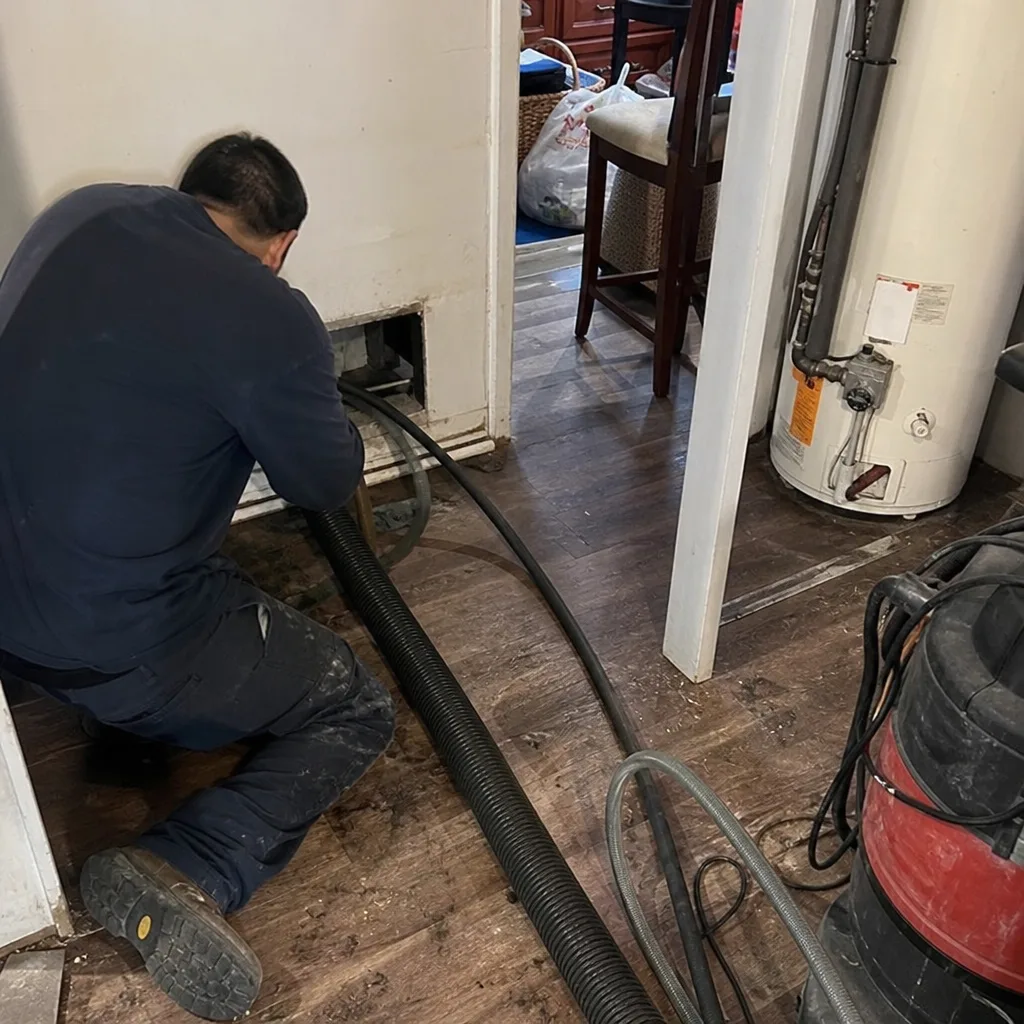 Before
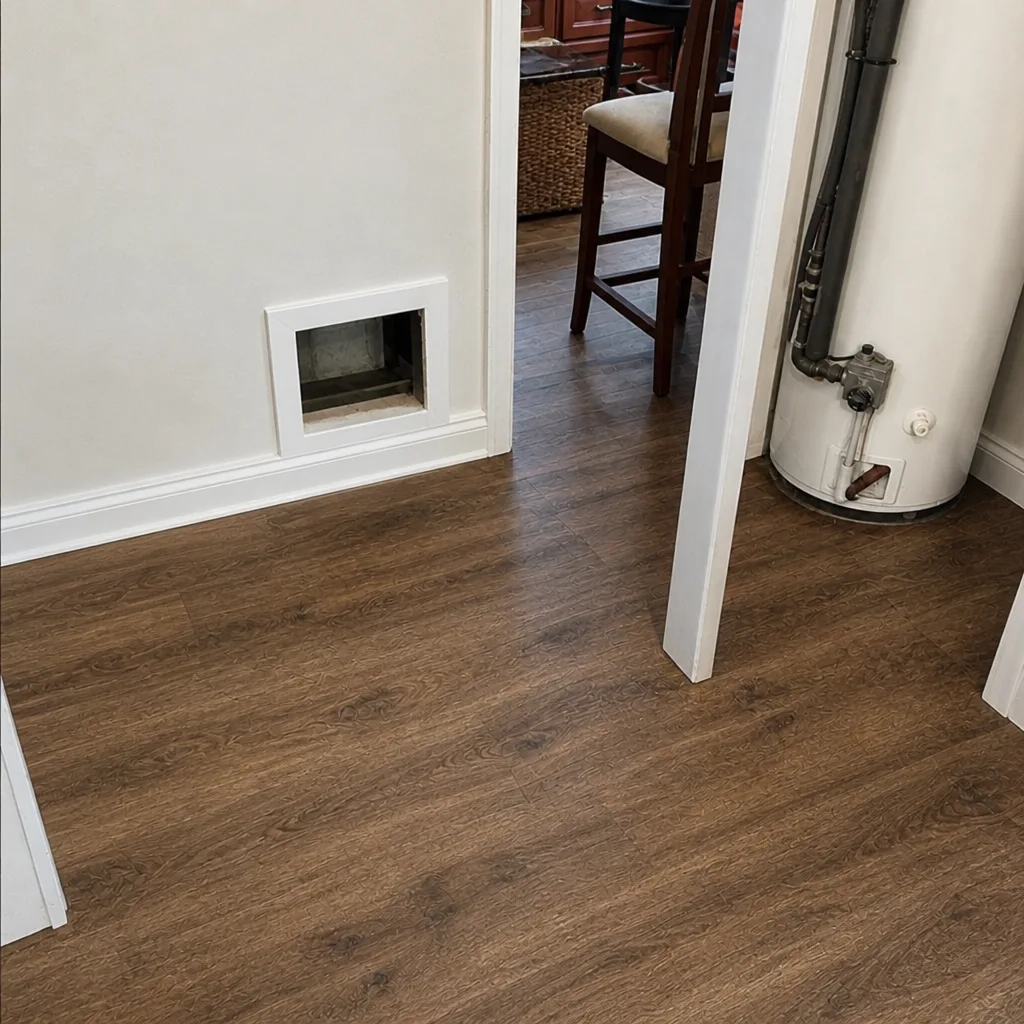 After
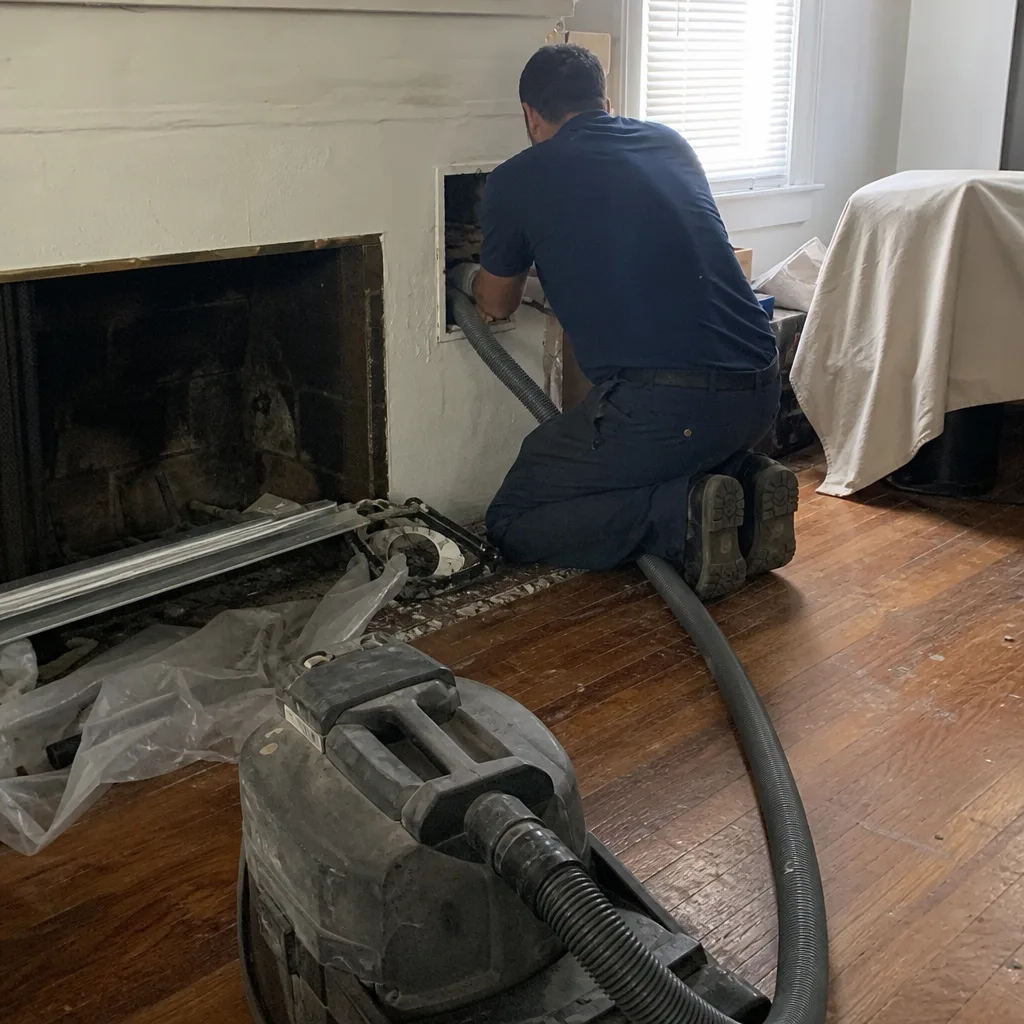 Before
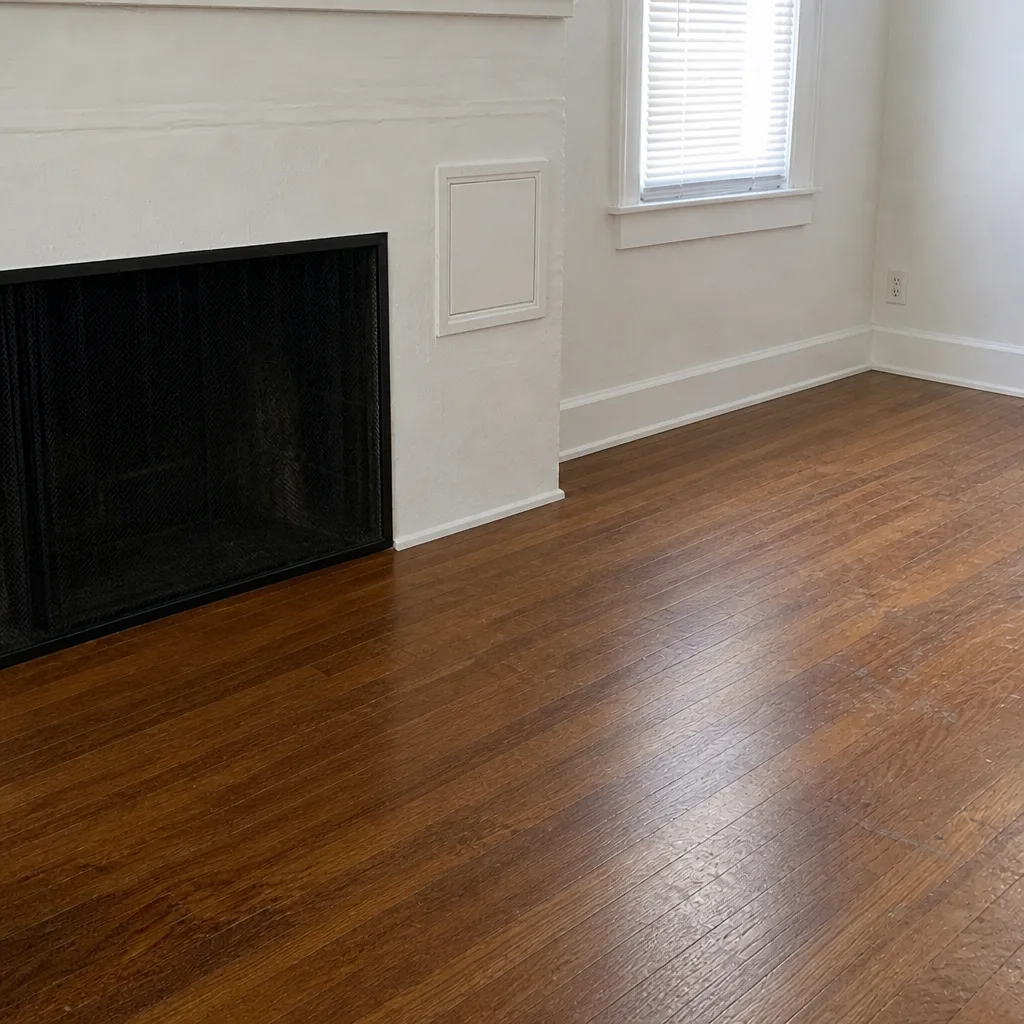 After
When to Call a Professional
Call us when any of the red flags above show up, when your annual check turns up two or more worsening signals, or when you’ve never had a proper extraction-grade cleaning and don’t know your baseline. Call us if you’re a property manager trying to set a defensible schedule across a portfolio. Call us if the dryer vent flap has stopped moving freely or you see lint outside the hood. Call us if a surface cleaning didn’t hold and you want to understand why. Duct Cleaning Elizabeth offers free estimates in Elizabeth; call (833) 946-6248. We answer 24/7. Fast dispatch from 7am to 7pm, Sunday through Friday.
Frequently Asked Questions
Most homes in Elizabeth fall in the two-to-five-year range, but the right interval depends on your load factors, not the calendar. Homes near Routes 1 and 9 or the industrial corridor, homes with pets or dense occupancy, and homes with year-round HVAC run time should sit toward the shorter end. Homes with quality filtration and light use can push toward the longer end. Call (833) 946-6248 for an exact assessment; estimates are free.
Yes. Heavier traffic and industrial corridor proximity raise the particulate concentration in the air that surrounds your home, and your HVAC pulls some of that inside. That doesn’t mean you need to clean constantly, but it does mean the shorter end of the interval applies more often than the suburban average assumes. Filter grade becomes more important in these locations.
A cheap cleaning often means a shop-vac pass over the visible surfaces. A proper extraction uses professional equipment like the Rotobrush rotary brush for mechanical agitation and Nikro HEPA-rated vacuum for containment, so material leaves the system rather than just moving around inside it. The difference shows up in how much time you get before the next cleaning. Call (833) 946-6248 to discuss what your system actually needs; estimates are free.
Once a year for typical households, and more often for larger families or homes where the dryer runs daily. The exterior flap is your visual check between cleanings. If lint is packed behind it or the flap doesn’t move freely, schedule the cleaning sooner. The dryer vent schedule is separate from the duct schedule and driven by dryer use, not HVAC run time.
Either your load factors have increased, the previous cleaning didn’t extract from the trunk and boots, or you have a duct problem passing debris back into the supply side. The annual check with photos is the fastest way to sort out which one applies. Our air duct cleaning service includes a before-and-after photo record of your own ducts so you can see what the cleaning actually did.
Maybe. Dust plumes at seams or boots can point to a leak that pulls unfiltered air into the duct. That’s a repair issue, not just a cleaning issue, and handling both in one visit saves you a second contractor call. Our three services under one roof cover air duct cleaning, dryer vent cleaning, and air duct repair. Call (833) 946-6248 for a free estimate.
The Bottom Line
A duct cleaning schedule isn’t a date on a calendar. It’s a read on your specific home. Weigh occupancy, pets, filter grade, and HVAC run time, then layer in the Elizabeth location factor for homes near Routes 1 and 9 or the industrial corridor. Log your filter changes and wipe your registers so you have real data to work from. Do the annual check, run the dryer vent on its own clock, and honor the red flags when they show up. Extraction-grade equipment buys you more time between cleanings than a surface scrub ever will. Call (833) 946-6248 for a free estimate. We answer 24/7. Fast dispatch from 7am to 7pm, Sunday through Friday.
Written by the team at Duct Cleaning Elizabeth.