
Last updated November 15, 2026
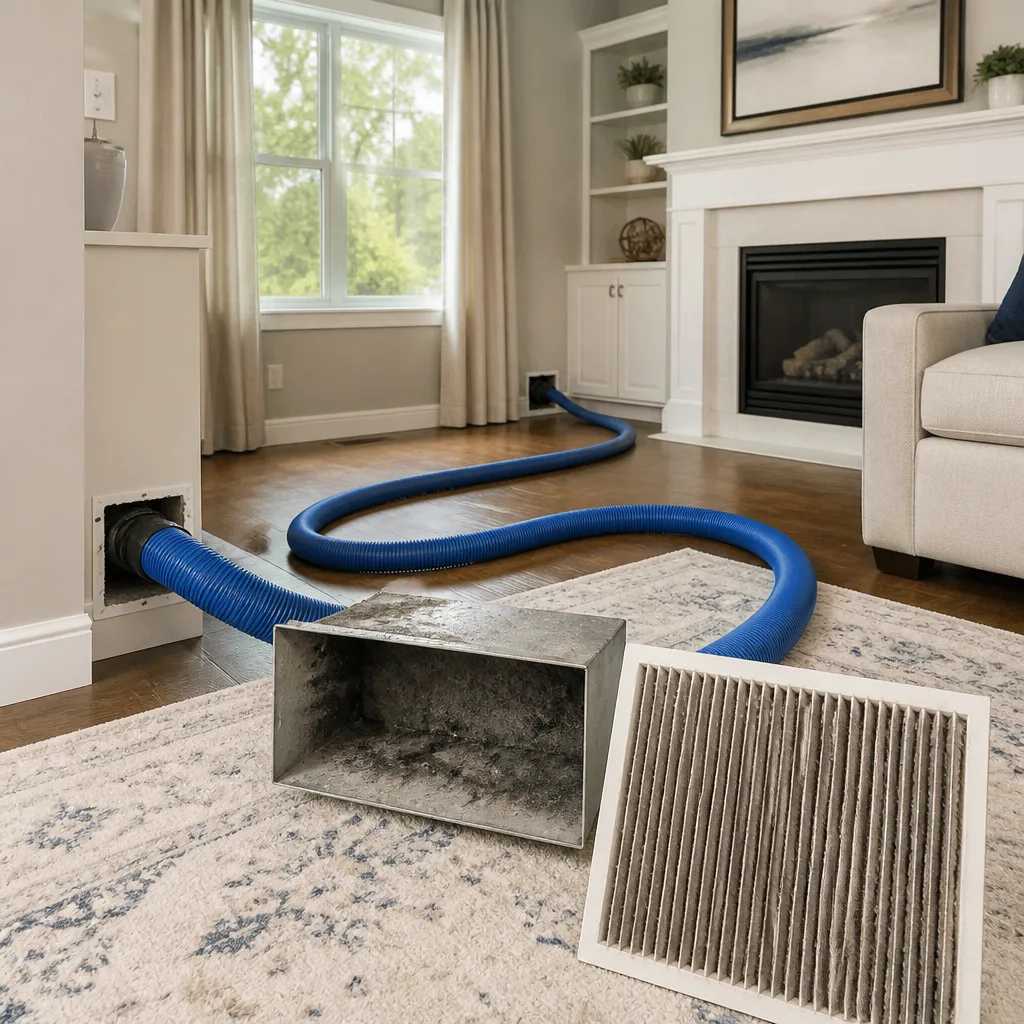 Whole-home duct cleaning
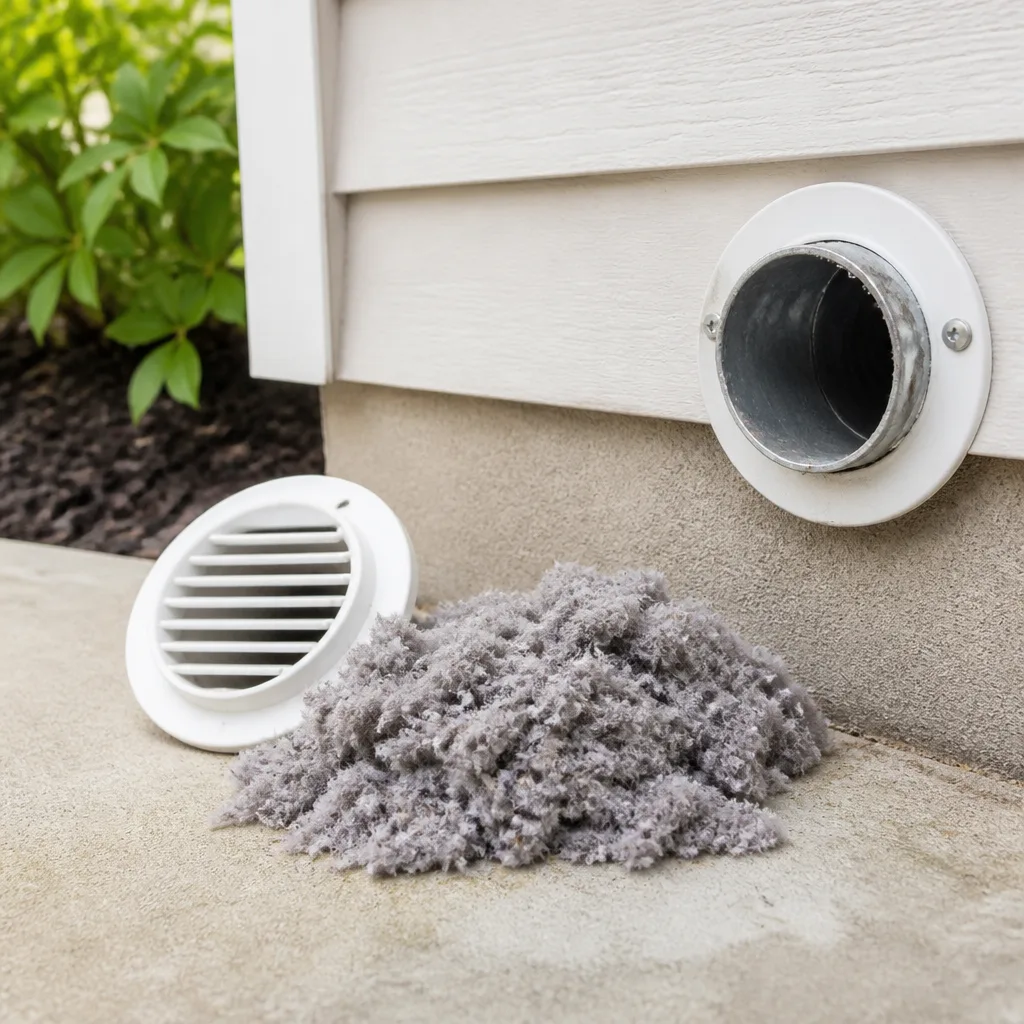 Dryer vent cleaning
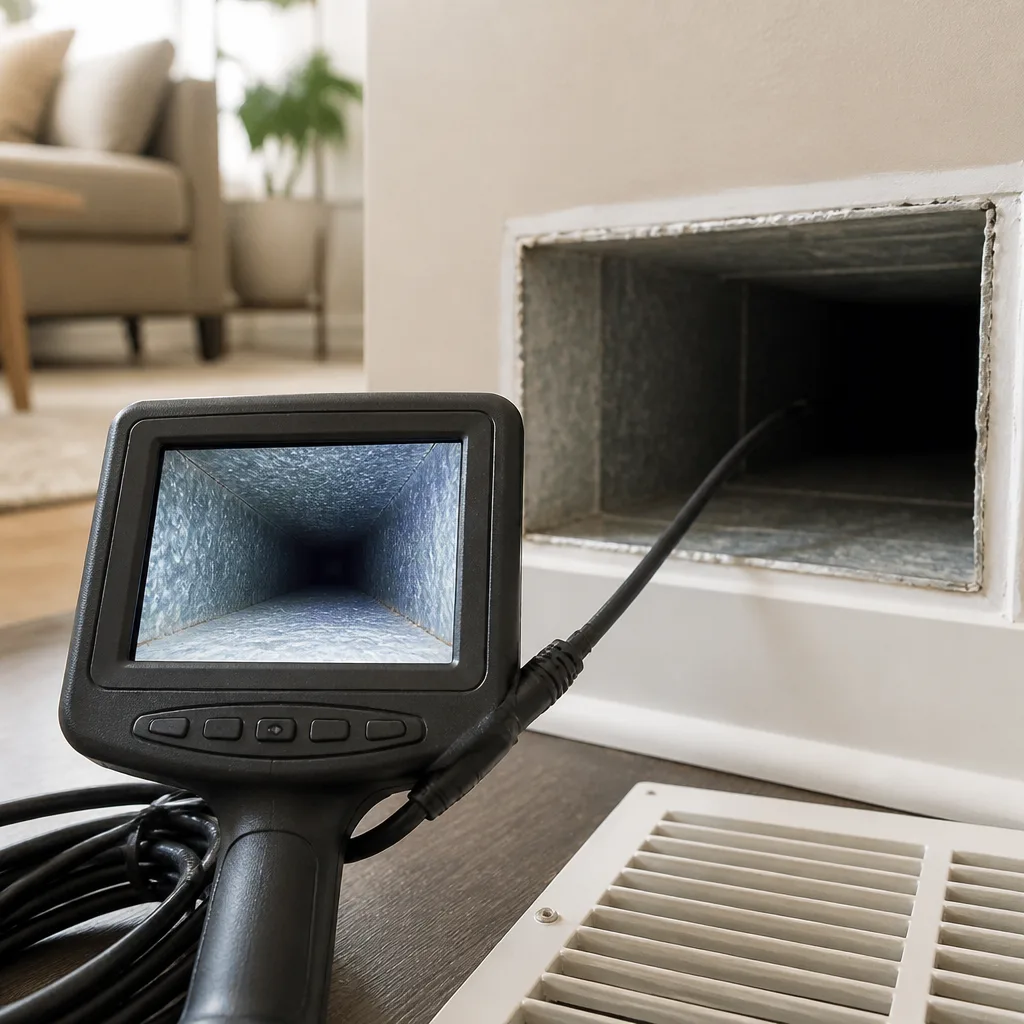 Camera inspection
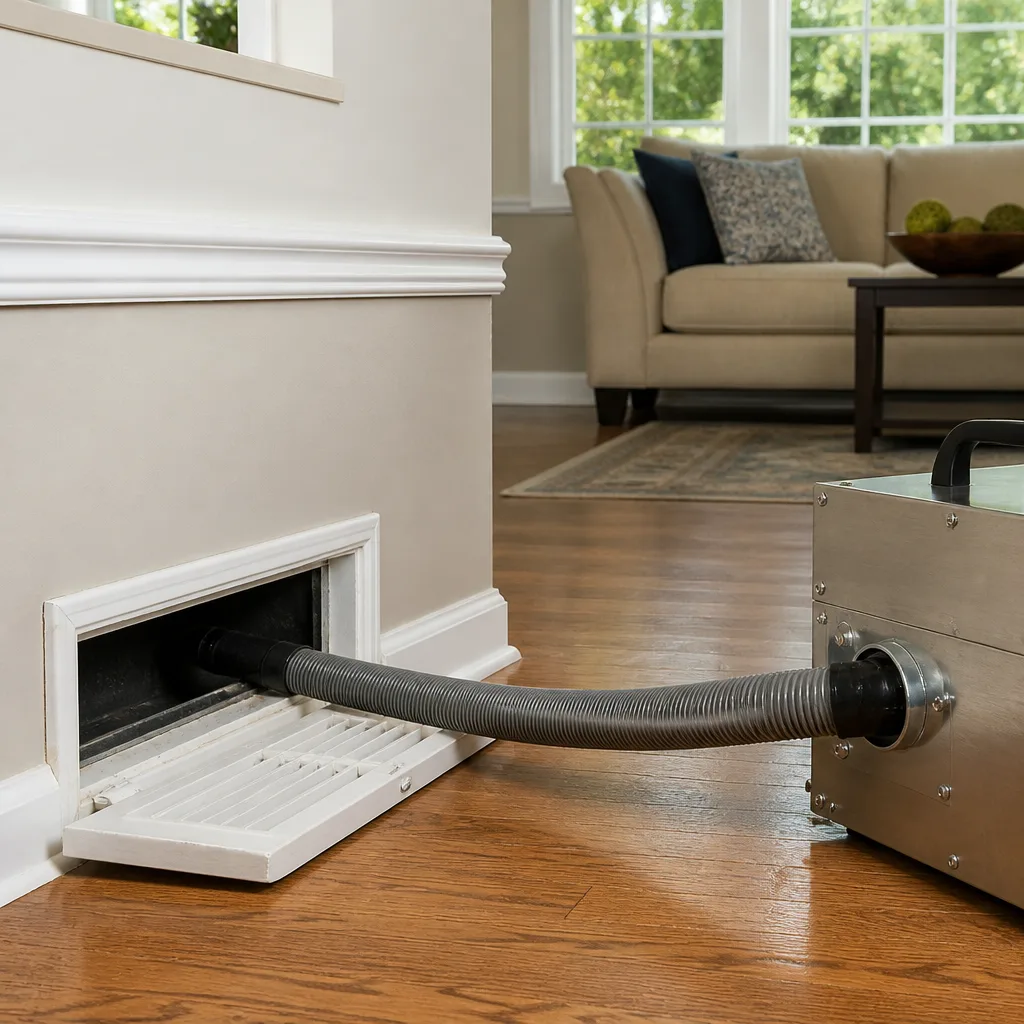 Sanitizing & deodorizing
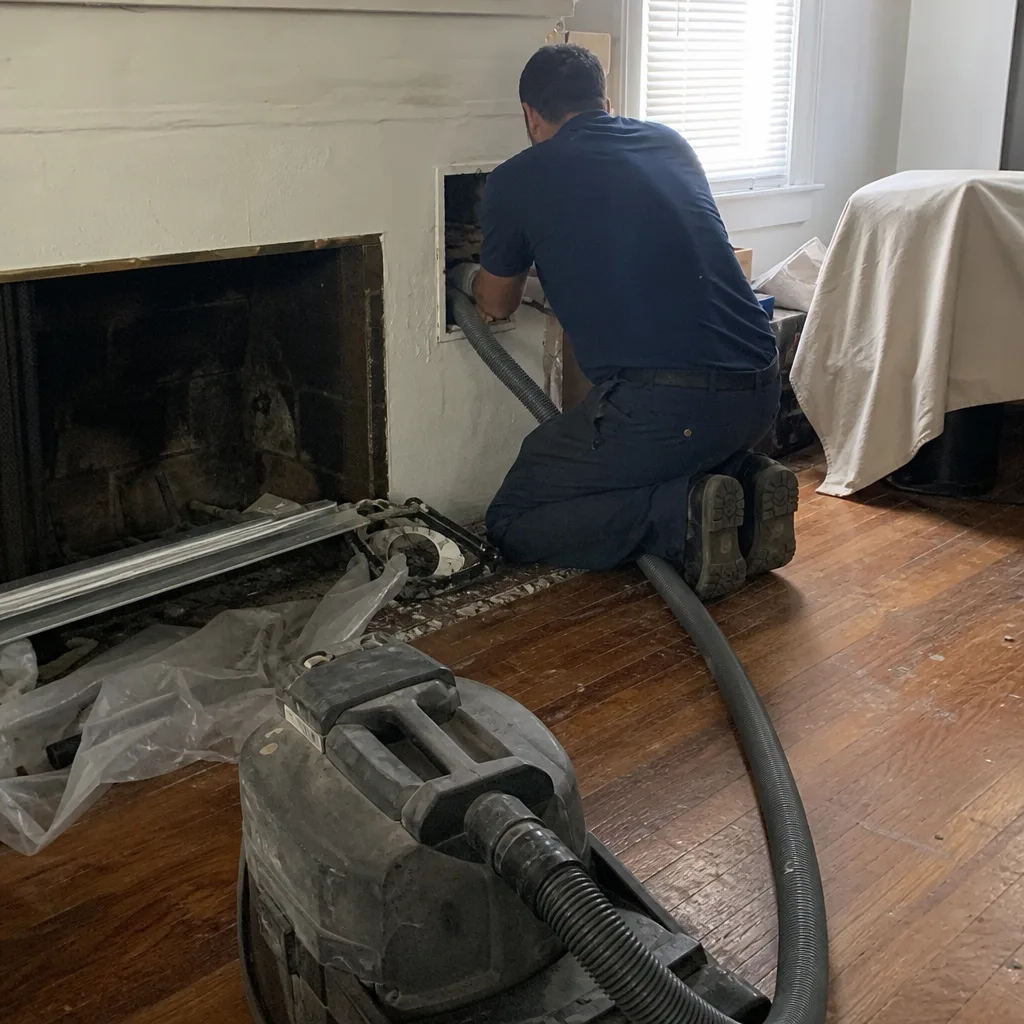
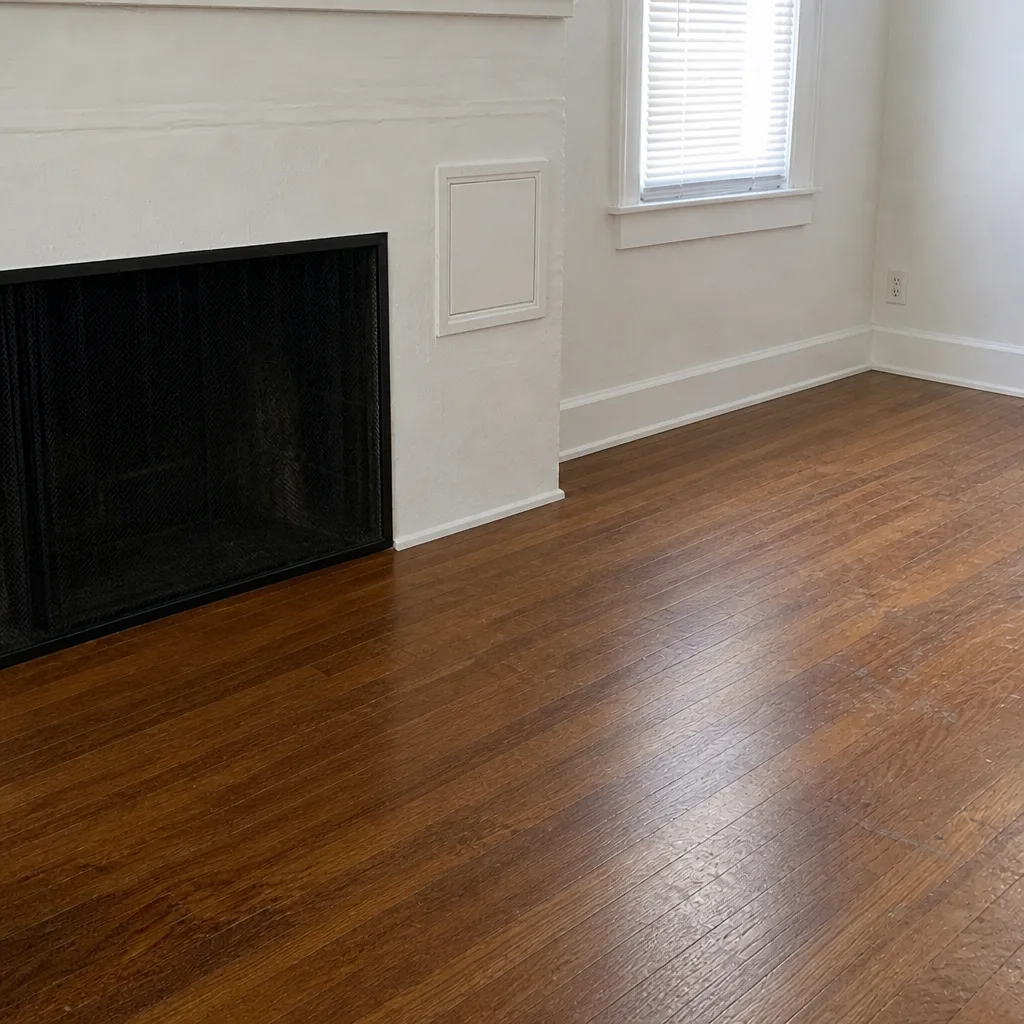
Whole-system duct and dryer vent check with before-and-after photos - you see exactly what came out of your vents
That "$99 whole-house special" is a bait ad - the real number appears once they are in your hallway, or the "clean" is a shop-vac at the register. We photograph the inside of your ducts before and after instead.
DIY vs Professional Air Duct Cleaning: The Elizabeth Homeowner’s Decision Guide
Home improvement stores sell duct cleaning brush kits that work exactly well enough to disturb debris without removing it. That’s the problem. A homeowner in Elmora or Peterstown can spend a full afternoon feeding a flexible brush into a return duct, watch a cloud of dust puff out of the register, and reasonably conclude the ducts are cleaner. What actually happened is that a loose layer of dust and lint got knocked into the airstream, and the system’s blower is now moving that material into every room in the house. You may be finishing the job with more particulate in the air than you started with. This guide explains the physics behind that gap, what you can genuinely handle yourself, and where effort alone stops being enough.
Quick Answer
Homeowners can absolutely clean register covers, change filters, and clear a dryer vent, and those tasks matter. But pulling debris out of a trunk line requires a pressure differential that a shop vac or drill brush cannot generate. Professional equipment creates negative pressure strong enough to hold dislodged material in capture rather than releasing it back into the room. That’s the real line between DIY and professional duct cleaning in Elizabeth, and it isn’t about how hard you work.
Styles & brands we work with
- Whole-home duct cleaning
- Dryer vent cleaning
- Camera inspection
- Sanitizing & deodorizing
Table of Contents
- The Physics Problem: Why CFM and Static Pressure Decide the Outcome
- The Partial-Cleaning Trap: Why Disturbing Debris Is Worse Than Leaving It
- What You Can Legitimately Do Yourself
- What You Cannot Replicate at Home
- Scenarios Where DIY Is Inadequate, No Matter the Effort
- What Professional Equipment Actually Does
- Elizabeth-Specific Considerations
- A Step-by-Step Way to Decide
The Physics Problem: Why CFM and Static Pressure Decide the Outcome
Duct cleaning is a two-stage operation: dislodge the debris, then capture it before it settles or escapes. Both stages depend on airflow and pressure, and that’s where home equipment runs out of capability.
CFM means cubic feet per minute, the volume of air a machine can move. Static pressure describes the resistance inside the duct system. A professional vacuum built for duct work ties into the main trunk and pulls a sustained negative pressure across the whole system, so debris loosened upstream gets drawn toward the collection point rather than drifting sideways into branches. A shop vac has enough suction to pick up a sock. It does not have the CFM to move air through forty feet of flex duct with elbows and takeoffs in the way.
Mechanical agitation is the other half. Dust, lint, and pet hair bond to duct walls and to the fins of the registers. A rotary brush driven through the branch lines scours that material loose so the vacuum can take it. Handheld brush kits spin slowly and stop turning under any real resistance, so the operator ends up scraping rather than agitating.
In our experience, the CFM gap is the part homeowners underestimate most. Rotobrush rotary systems paired with Nikro HEPA-rated vacuum units are built to run the two stages at once – agitation at the brush head, containment at the collection end. That combination is what commercial and restoration crews use, and it’s what we bring into a house in Elizabeth.
The Partial-Cleaning Trap: Why Disturbing Debris Is Worse Than Leaving It
This is the counterintuitive part of the whole argument. Ducts that are dirty but undisturbed hold their debris in place. Ducts that have been brushed without being vacuumed hold less, and the rest is airborne in your living space.
Here’s why it happens:
- The blower amplifies whatever you loosen. Your HVAC fan moves a fixed volume of air through the system every time it runs. Loosened dust joins that airflow and lands in the rooms you spend the most time in.
- Settled material isn’t the health concern. Debris sitting on the bottom of a trunk isn’t circulating. Debris that’s been broken free and not captured is.
- Brush kits reach surfaces, not volume. The dust clinging to the top and sides of a rectangular duct, and the fine material packed into flex line corrugations, needs airflow to leave. A brush on a hose disturbs it.
- Filter loading increases. A fine-dust blanket released into the system finds your filter faster, and a loaded filter means restricted airflow and reduced heating and cooling efficiency.
We’ve heard the same story in Union County many times: someone rented or bought a kit, spent a weekend on it, and a month later noticed dust settling on surfaces even faster than before. That outcome tracks with the physics. The cleaning removed the loose layer, and the blower redistributed it. Professional extraction is what closes that loop.
What You Can Legitimately Do Yourself
None of this is a pitch against homeowners doing their own maintenance. Several important tasks belong on a household checklist, and doing them well genuinely reduces what a professional service will find later.
- Clean the register covers. Pop them off, wash them in a bucket with dish soap, dry them, and put them back. Dust and pet hair collect on the grille faces and get pulled into the system with the next cycle.
- Change the filter on schedule. The filter is the system’s first line of defense. A loaded filter restricts airflow, and restricted airflow is what makes a duct system look dirtier than it is. Check it monthly during heating season.
- Vacuum the immediate area around returns. Dust on the floor near a return register gets pulled in. Regular vacuuming with a HEPA-filter machine keeps that inventory from growing.
- Clear a dryer vent you can reach. Pull the dryer out, disconnect the duct at the back, and clear the short, straight run that you can physically reach. This is worth doing on a schedule because lint buildup in a dryer vent is a fire hazard.
- Keep the area around the outdoor condenser clear. Leaves and debris packed against the unit make the system work harder, which affects how much air and how much dust move through the house.
What these tasks share: they’re all surface or terminal work. None of them puts a tool inside the trunk line or the branch runs behind the walls.
What You Cannot Replicate at Home
Three things sit outside what residential equipment can do, and they’re the three that matter most in a full cleaning.
Negative pressure across the whole system. A professional vacuum ties into the main trunk and establishes a pressure differential that holds debris in suspension until it reaches containment. A shop vac creates negative pressure at its hose end and nowhere else. Once the hose is off, so is the pressure.
Containment-level filtration. Nikro HEPA-rated vacuum equipment captures fine particulate at the collection end instead of exhausting it back into the room. HEPA filtration means the machine can trap material small enough that a standard shop vac filter passes it straight through.
Rotary agitation that survives resistance. Rotobrush brush heads are motor-driven and keep spinning when they hit packed dust, turning vanes, or a section of flex duct. A drill brush stalls.
There’s also the inspection piece. A technician looking inside a trunk line can see whether a seam has opened, whether the duct has collapsed, or whether a section of flexible line has torn – conditions that need repair before cleaning. That’s why we offer air duct cleaning alongside duct repair. A cleaning without an inspection risks sealing over a problem.
Scenarios Where DIY Is Inadequate, No Matter the Effort
Some duct conditions cross out of “backed up” and into “contaminated.” In those cases, effort isn’t the variable – capability is.
- Visible mold growth inside the ductwork. Mold inside ducts usually means a moisture source is still active. Cleaning without addressing the moisture just resets the clock. This is also outside the scope of standard duct cleaning, so a proper assessment comes first.
- Pest contamination. Rodents and insects nesting in ducts leave droppings and nesting material, and disturbing that material by hand sends contamination airborne. This calls for containment, full PPE, and equipment built for remediation-level work.
- Post-flood or post-water-damage systems. Ducts that took on water need evaluation for replacement, not cleaning. Saturated duct board and wet flex line don’t come back.
- Heavy construction dust after a renovation. Drywall dust is fine, alkaline, and travels everywhere. After a gut renovation in Elizabeth, the system needs a full sweep with containment, not a spot brush.
- A dryer vent that’s packed solid. Deep lint in a long vent run is a fire risk that needs a proper vent brush and vacuum, not a hand-pulled wad from the back of the dryer. That’s why we treat dryer vent cleaning as its own service instead of an add-on.
In these cases we bring Abatement Technologies equipment, which is built for remediation-level air quality work. The distinction matters: routine dust loading and contamination loading are different jobs, and the kit should match the job.
What Professional Equipment Actually Does
It’s worth separating equipment from effort, because that’s the real value proposition. A trained technician with a shop vac can’t do a full-system cleaning, and an untrained person with a truck-mounted vacuum can still do it badly. What professional equipment does is make the complete job possible.
Here’s the sequence we work through on a typical job:
- Inspect and map the system. Locate the main trunk, every branch run, all supply and return registers, and the air handler. Note any damage that will need repair.
- Set containment. Cover floors and furnishings, seal registers not currently being worked, and connect the vacuum to the trunk to establish negative pressure across the system.
- Agitate each run. Feed rotary brush heads through the branches and trunk to break the bond between debris and duct wall.
- Extract under continuous vacuum. The Nikro HEPA unit runs the whole time, so anything the brush loosens gets captured before it can travel.
- Clean the air handler components that are accessible. The blower wheel and the interior of the air handler collect material, and cleaning ducts without touching those leaves the source in place.
- Clean and reset the registers. Remove each grille, clean it, and reinstall.
- Photograph and document. Before-and-after photos of your own ducts, so you can see what came out.
On systems tied to Aprilaire or Honeywell whole-home air quality equipment, we also account for the interaction between the air cleaner, humidifier, and duct system. Cleaning ducts around a whole-home air cleaner without understanding how it’s plumbed in is how a filter housing ends up resealed incorrectly.
Elizabeth-Specific Considerations
Housing stock shapes what a duct system looks like, and Elizabeth has a wide range of it. The city covers neighborhoods from Elmora and Peterstown to Elizabethport and Bayway, and the housing in each area carries different duct conditions.
Older homes often have original sheet metal ductwork with taped seams, and those seams fail over time. When they do, the system pulls air from crawl spaces and wall cavities instead of from the house, which spikes dust loading. Homes that have been through renovation work carry drywall dust for months. Homes with window units or baseboard heat and no ductwork at all don’t have this problem at all, which is worth confirming before scheduling anything.
Elizabeth’s summers are humid, and a cooling system running through them creates condensation in the air handler and the first few feet of supply duct. That moisture deposits dust into a sticky layer that hardens onto the duct wall. A household brush won’t move it. Mechanical agitation will.
If you’re evaluating whether the job is worth doing at all, the honest answer is that it depends on what’s in the system. We’d rather look and tell you it’s fine than clean a system that doesn’t need it. More on Elizabeth service and what we cover.
A Step-by-Step Way to Decide
Work through these questions in order. The first three are things you can answer yourself in a few minutes.
- Is the filter being changed on schedule? If not, fix that first. A dirty filter mimics a dirty system.
- Are the register covers and the floor around returns clean? Handle that yourself. It’s free and it helps.
- Is there visible dust streaking at the registers, or a musty smell when the system starts? Streaking means debris is moving; a musty smell suggests moisture. Both point toward inspection.
- Has the house had a renovation, water damage, or pest activity recently? Any of the three means it’s time to call.
- Has the ductwork ever been cleaned? If nobody knows the answer, that’s a sign to have it looked at.
- Is anyone in the house reacting? Increased allergy symptoms in the home are a reason to inspect, not a diagnosis. The inspection tells you whether ducts are involved.
If steps one through three come back clean and there’s no renovation, water, or pest history, keep up with the maintenance and wait. If any of steps four through six are true, it’s worth a look.
Common Mistakes to Avoid
- Brushing without a vacuum running. This is the single most common error. Disturbing debris without containment moves it into the living space instead of out of the system.
- Assuming a shop vac with a long hose reaches the trunk. Suction at the hose end drops fast with length and resistance. It will pick up what’s in front of the nozzle and nothing else.
- Cleaning only the visible registers. Registers are the easiest part and the least of the job. The dust that matters is behind the walls, in the trunk line and branch runs.
- Skipping the dryer vent. Lint in a dryer vent is a fire hazard, not a dust issue, and it builds up in the run behind the dryer where you can’t see it. Have it cleared properly.
- Cleaning ducts before fixing the damage. A torn flex run or a separated seam pulls debris back into the system right after cleaning. That’s why we handle repair as part of the same scope rather than sending you to a second contractor.
- Assuming year-round humidity has no effect on ducts. Elizabeth’s summers deposit a sticky layer in the air handler and supply runs. That material doesn’t come off with a household brush.
- Using a rotating drill brush on flex line. The brush can catch in the corrugations and tear the liner, which is a much larger problem than dirty ducts.
When to Call a Professional
Call when the system needs containment, agitation, and full-system extraction at the same time, which is most of the time. Specifically: any visible mold or musty odor, pest activity, water damage or flooding, a recent major renovation, a dryer vent you can’t fully clear, or any sign that the ductwork is damaged. If you’re not sure, that’s a reason to have it looked at rather than guessed at.
Duct Cleaning Elizabeth offers free estimates in Elizabeth. Call (833) 946-6248. We answer 24/7. Fast dispatch from 7am to 7pm, Sunday through Friday. Estimates are free and the price is set per job by the written estimate, agreed before any work starts.
See the difference
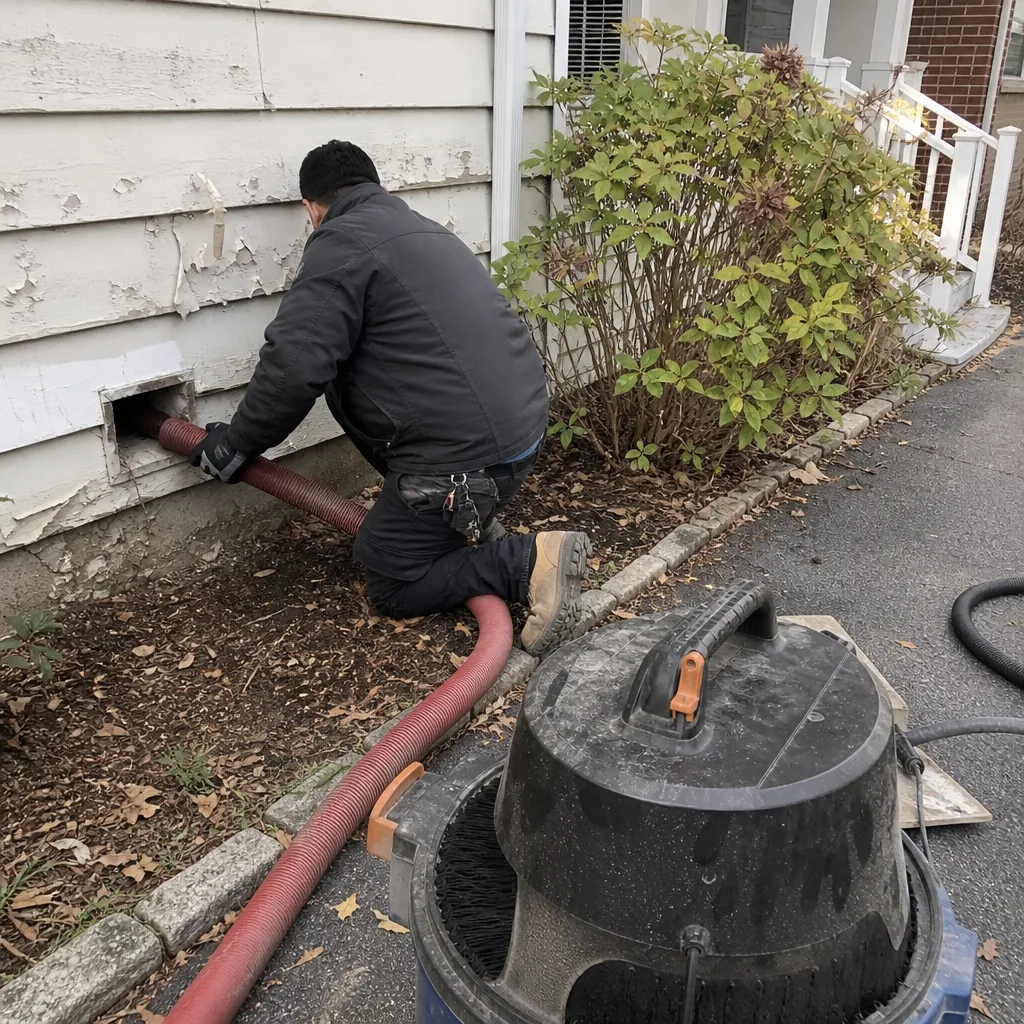 Before
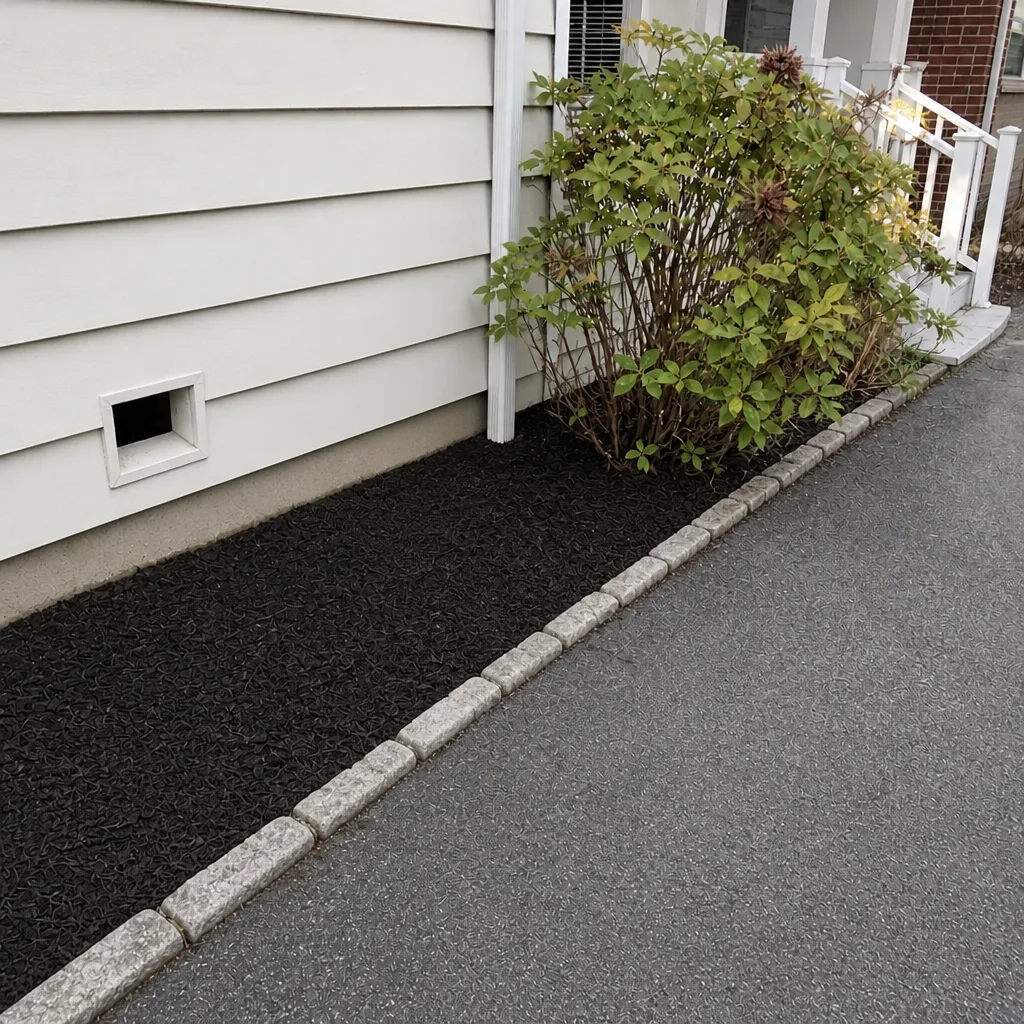 After
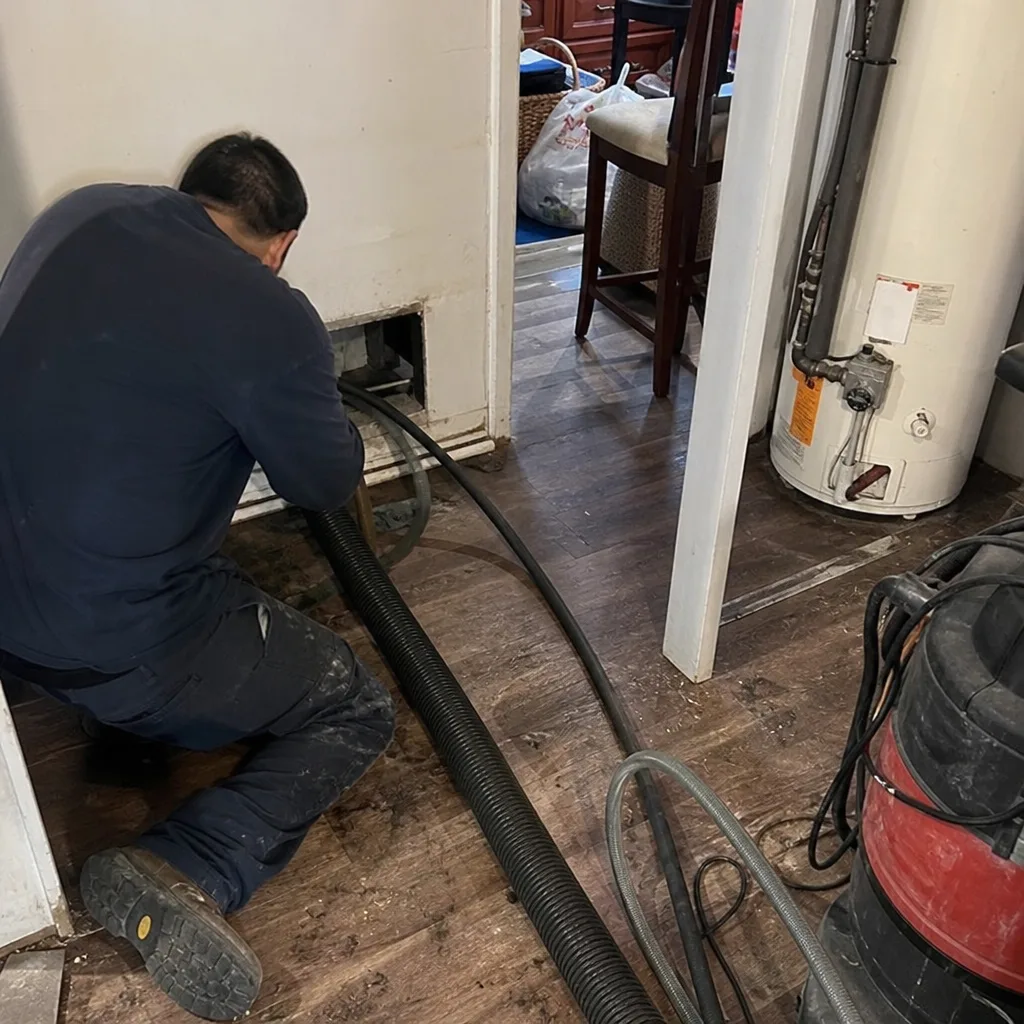 Before
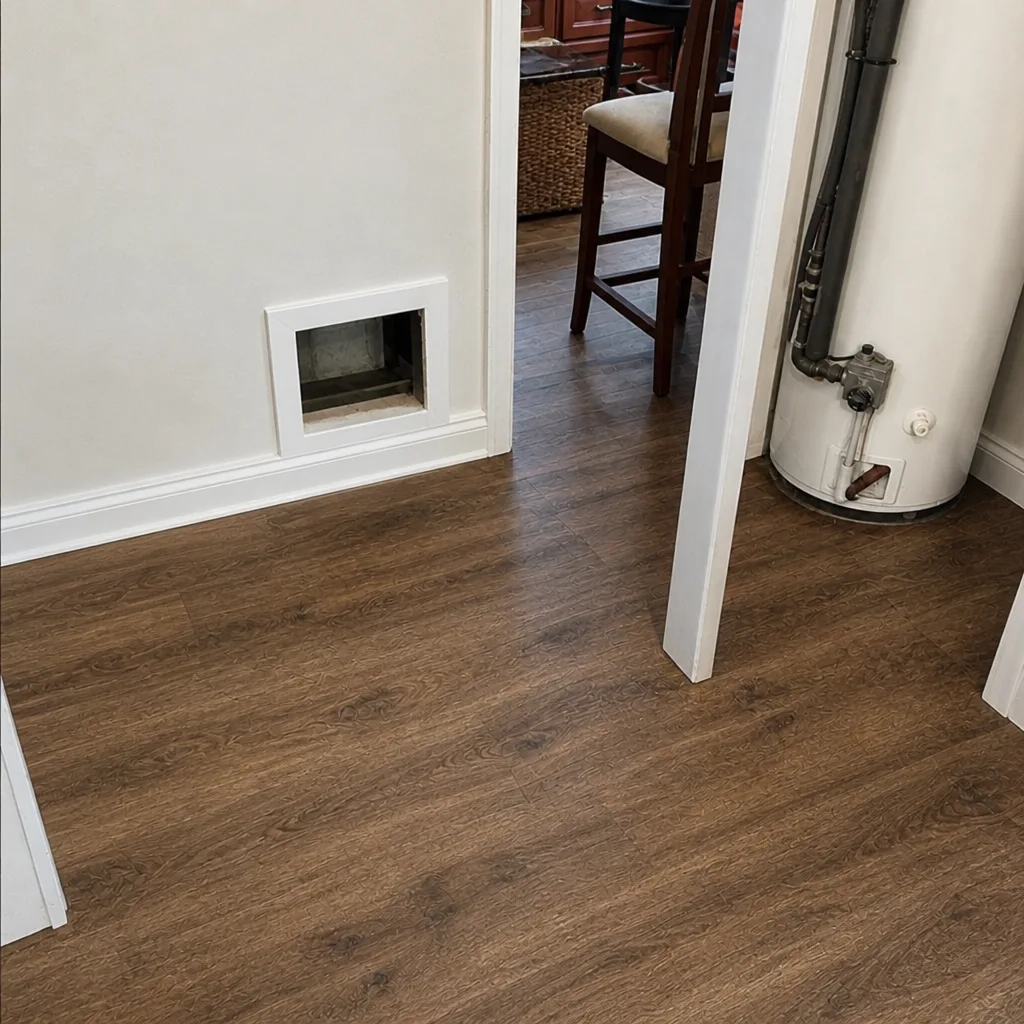 After
 Before
 After
Frequently Asked Questions
DIY is enough for register covers, filter changes, and a short, reachable dryer vent run. It is not enough for the trunk line or the branch runs behind the walls, because consumer equipment can’t generate the negative pressure needed to extract debris from the full system. Most homes need the deeper work done with professional equipment.
Pricing depends on the size of the system, the number of runs, and whether repair is needed, and we set one flat price per system after inspecting the ducts. We don’t quote per-vent prices or teaser coupon figures, because those are the numbers that grow once a technician is on site. Call (833) 946-6248 for an exact quote. Estimates are free.
Cheap quotes usually reflect a smaller scope: surface work at the registers, a shop vac, and no containment. That’s not the same service. When the price is low, ask what equipment is being used and whether the trunk line and branch runs are included. The written estimate should say.
Ask for before-and-after photos of your own ducts, not stock images. A company that documents the job can show you what came out of the trunk and each branch run. We photograph before and after on every system.
Most homes don’t need it on a fixed calendar. It makes sense after a renovation, water damage, pest activity, or when visible dust streaking or a musty smell shows up at the registers. Homes with pets or heavy dust buildup benefit from more frequent attention. There’s no universal interval that fits every Elizabeth house.
You can clear the short, straight run directly behind the dryer, and you should. The full run through the wall and out to the exterior needs a proper vent brush and vacuum, because that’s where packed lint builds up and where fire risk concentrates. Have that section cleared properly. Call (833) 946-6248 if you’re unsure whether yours needs it.
The Bottom Line
The DIY versus professional question isn’t about skill or price. It’s about whether the equipment can do the work at all. A brush kit and a shop vac can disturb debris but can’t capture it across the whole system, and disturbed debris circulates. Surface maintenance is worth doing; it’s the trunk line and branch runs that need real equipment. If your system shows dust streaking, a musty odor, or a renovation, water, or pest history, have it inspected. If it’s routine dust and you’re keeping up with filters, you may not need anything yet. Call (833) 946-6248 for a free estimate in Elizabeth, and we’ll tell you which case you’re in.
Contact
Duct Cleaning Elizabeth handles air duct cleaning, dryer vent cleaning, and air duct repair with professional-grade equipment. That means a Rotobrush rotary brush system for agitation, Nikro HEPA-rated vacuum units for containment-level capture, and Abatement Technologies gear for contamination-level scenarios. We also work with Aprilaire and Honeywell whole-home air quality systems, and with Guardsman components. Our technicians have up to 11 years of experience. Call (833) 946-6248 for a free estimate. We answer 24/7. Fast dispatch from 7am to 7pm, Sunday through Friday. One flat price per system, agreed before work starts, with before-and-after photos of your own ducts.
Written by the team at Duct Cleaning Elizabeth.